


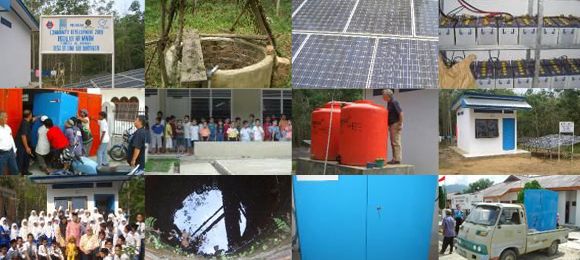







Building a Community Water Kiosk with Chemical-Free Treatment
A community water kiosk can turn an unreliable source into a dependable supply of safe drinking water. It is a compact facility where residents collect treated water, often near a village, market, school, health center, or transport route. When the system is designed around local conditions, it can serve households, small businesses, farms, and emergency operations without requiring every property to install its own treatment equipment.
Chemical-free water purification is especially valuable in areas where chemical deliveries are expensive, storage is difficult, or operators have limited technical training. Physical filtration, adsorption, oxidation through air, membrane processes, ultraviolet disinfection, and other low-consumable technologies can reduce contaminants while limiting sludge, packaging, and operating costs.
The right solution begins with water analysis rather than a standard equipment package. Groundwater may contain iron, manganese, arsenic, or uranium, while surface water can carry bacteria, pesticides, turbidity, and organic matter. A kiosk should therefore combine treatment performance with accessible operation, hygienic dispensing, and a maintenance plan that the community can realistically support.
Define The Kiosk’s Purpose
The first decision is the role the kiosk will play. A small installation may produce drinking water for a few hundred residents, while a larger station can support several villages, a refugee settlement, a construction camp, or a livestock operation. Expected daily demand, peak collection times, storage capacity, and future population growth all influence the required flow rate.
A useful design separates production from collection. Treatment equipment can operate steadily throughout the day and fill a protected tank, allowing people to collect water during a shorter opening period. This reduces the need to size the plant for the highest hourly demand and gives operators a buffer during maintenance or temporary source interruptions.
The kiosk should also have a clear water-quality objective. “Clean water” can mean different things depending on the source and local regulations. The project may need to address microbial safety, unpleasant taste, visible color, toxic metals, agricultural chemicals, or several risks at once. Defining these priorities prevents unnecessary equipment and focuses investment on verified hazards.
Test The Source Before Selecting Equipment
A laboratory test should cover basic physical and chemical parameters as well as contaminants associated with the local geology and land use. Typical tests include pH, conductivity, turbidity, hardness, iron, manganese, arsenic, nitrate, fluoride, pesticides, and microbiological indicators. In regions with uranium-bearing rock, uranium should be measured separately rather than assumed to be absent.
Seasonal testing is important when the source changes during rainfall, drought, flooding, or irrigation cycles. A borehole may remain visually clear while dissolved contaminants fluctuate. Surface water can experience sharp increases in turbidity and bacterial contamination after storms. Treatment must handle the highest credible contaminant load, not just a single favorable sample.
Technology selection should also account for what happens to removed contaminants. Adsorptive media and membranes concentrate or retain pollutants, creating a replacement or backwashing requirement. A project addressing naturally occurring radioactive elements should review uranium removal guidance alongside laboratory results, local disposal rules, and the expected life of the treatment media.
Match The Process To The Contaminants
Chemical-free treatment is a process strategy, not a promise that one device removes everything. Aeration can help oxidize dissolved iron and manganese so they can be filtered. Specialized media may capture arsenic, uranium, or other dissolved substances. Ultrafiltration can reduce particles, bacteria, and some microorganisms, while reverse osmosis can address a broad range of dissolved salts and contaminants when its energy and reject-water requirements are acceptable.
Ultraviolet disinfection can provide a final microbial barrier without adding disinfectant to the water. It requires low turbidity and reliable electrical power, so prefiltration, lamp monitoring, and backup arrangements are essential. In some settings, a membrane or ultraviolet stage may be paired with a secure storage tank and hygienic dispensing point.
| Water challenge | Suitable treatment approach | Main design consideration |
|---|---|---|
| Turbidity and suspended solids | Sediment filtration or ultrafiltration | Protect later stages from clogging |
| Iron and manganese | Aeration with catalytic or specialized filtration | Plan for backwashing and media service |
| Arsenic or uranium | Selective adsorption, ion exchange, or membrane treatment | Confirm media capacity and residue handling |
| Bacteria and viruses | Ultrafiltration, ultraviolet treatment, or a validated combination | Maintain prefiltration and power reliability |
| Pesticides and organic contaminants | Activated carbon or advanced membrane treatment | Monitor breakthrough and replace media on schedule |
| High salinity or dissolved solids | Reverse osmosis | Manage energy use, recovery, and concentrate disposal |
A system may therefore use several stages in sequence: raw-water screening, pretreatment, contaminant-specific filtration, microbial protection, treated-water storage, and controlled dispensing. The design should avoid unnecessary complexity, but removing a stage simply to lower the purchase price can create higher maintenance costs or unsafe water later.
Design For Hygiene And Reliable Access
The kiosk structure should protect the treatment plant and the finished water from dust, insects, flooding, animals, and unauthorized access. Floors should drain easily, wet and electrical zones should be separated, and tanks should have sealed covers, screened vents, and inspection access. Collection taps should be positioned so that containers do not touch the outlet.
A simple user flow improves hygiene: people enter with empty containers, fill them at a controlled point, pay or register if required, and leave without crossing the service or maintenance area. The dispensing zone can include a raised platform, shade, lighting, and a separate handwashing point. These details support regular use while reducing contamination around the outlet.
Power reliability deserves early attention. Pumps, ultraviolet units, controls, and pressure systems may need grid electricity, solar generation, battery storage, or a generator for backup. A low-energy process can be more practical than a larger high-pressure system in remote areas, especially when replacement parts and technical support must travel long distances.
Plan Operations From The First Day
A kiosk needs a named operator or operating team. Their duties can include checking flow and pressure, recording daily production, inspecting leaks, cleaning the dispensing area, checking ultraviolet alarms, and arranging media or filter replacement. Simple instructions in the local language are more useful than a complex manual that no one uses.
Monitoring should combine routine observations with periodic laboratory verification. Operators can record turbidity, conductivity, pump hours, tank levels, and unusual taste or color. Accredited testing at defined intervals confirms that the treatment remains effective for regulated contaminants. If the source changes, the treatment train should be reassessed rather than operated indefinitely on its original assumptions.
Maintenance planning should cover consumables, tools, spare lamps, seals, valves, filter elements, and replacement media. The project can define minimum stock levels and train more than one person so that the kiosk does not depend on a single technician. Documented case studies and project references can also help stakeholders compare operating models and understand how water-treatment systems perform in different settings.
Build A Sustainable Community Service
A technically sound kiosk can fail if its financial model is unclear. Capital funding may come from a municipality, development program, public health initiative, agricultural organization, or private partner. Ongoing costs include energy, laboratory tests, maintenance visits, spare parts, media replacement, cleaning, security, and staff time.
Water pricing should be transparent and linked to the actual service. A small collection fee may support routine operation, while vulnerable households can receive subsidies or a defined free-water allowance. Digital payments, prepaid cards, or staffed collection can be considered where appropriate, but the system should remain usable for people without bank accounts or mobile connectivity.
Community participation improves accountability. Local representatives can help select the site, agree opening hours, identify vulnerable users, and review water-quality records. Clear signs should state the price, source, treatment stages, contact person, and action to take if the water appears abnormal. Trust grows when residents can see how the service is managed.
Practical Design Recommendations
Before construction and commissioning, use the following principles:
- Base every treatment stage on current laboratory results and applicable drinking-water standards.
- Size production, storage, pumps, and dispensing points for both average demand and peak collection periods.
- Choose chemical-free processes that match local skills, energy availability, spare parts, and waste-handling capacity.
- Protect treated water with sealed tanks, hygienic taps, drainage, cleaning procedures, and controlled access.
- Create written operating records for flow, maintenance, test results, media life, faults, and corrective action.
A staged implementation can reduce risk. Begin with source testing and a process design, then validate the treatment through pilot testing or a monitored demonstration unit where the contaminant profile is uncertain. After commissioning, compare laboratory results and operating data with the design assumptions before expanding capacity.
The kiosk should be treated as a long-term public utility rather than a one-time installation. A service agreement can define technical support, response times, training, reporting, and ownership of replacement parts. This arrangement protects water quality after the original construction team has left and gives the community a practical route for resolving faults.
A well-planned community water kiosk can deliver safe, locally accessible drinking water with limited chemical handling, reduced waste, and efficient energy use. Start with a verified source assessment, develop a treatment train around the actual contaminants, and involve operators and residents in the daily service model. Swiss Cleanwater Group can support the next stage with water-treatment expertise, suitable system options, and project guidance for a dependable clean-water point.
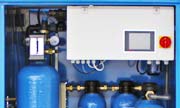
SCM 24
|
|
Cleans 24.000 liters per day
|
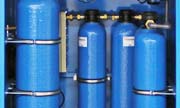
SCM 60
|
|
Cleans 60.000 liters per day
|
Video: How it works
The SCG Advantage
Our market-leading, water cleaning solutions have many advantages. To read more click the items below:
No Chemicals
Our machines and technology does not use any chemicals, at all.
Read more...
No Waste Water
Our machines do not waste any water. Yield = 100%.
Read more...
Low energy use
Uses 50 times less energy than a Reverse Osmosis Machine.
Read more...
Low ownership cost
Lower maintenance and operation costs due to our technology.
Read more...
Easy to install
Simple "plug and play" installation makes for easy deployment.
Read more...
Extremely compact
A compact system, contained in an easy to transport cabinet.
Read more...
Outperforms R.O.
SCG technologies outperform Reverse Osmosis systems.
Read more...
Faster ROI
Get a faster Return on Investment with our systems.
Read more...
Latest News
Latest Blog Posts
| Chemicals in water treatment? |
| Water storage - Whats best for keeping water clean and drinkable? |
| Case: Disaster Management Water Treatment |
Contact SCG
891 Showroom Place
Suite 101
Chula Vista, CA, 91914
Phone: +1 619-878-2730
Contact us by email