


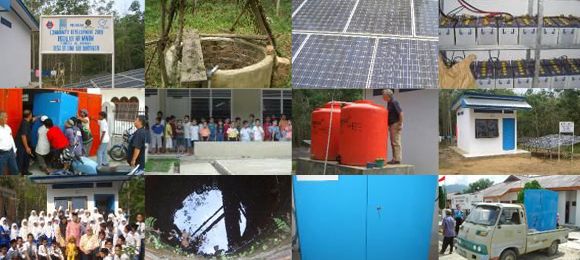







A School In India Gets Clean Water From Solar Filtration
A school in India getting clean water with solar-powered filtration demonstrates how decentralized treatment can address several problems at once: unsafe groundwater, unreliable electricity, high operating costs, and limited access to technical support. Instead of depending on tanker deliveries or chemical dosing, the school can produce drinking water on site from an available local source.
The project centers on a compact purification system powered by photovoltaic energy. Water passes through a series of treatment stages that target suspended matter, dissolved contaminants, and microorganisms before it reaches a protected drinking-water point. The arrangement is suitable for schools in rural and semi-rural areas where the electrical grid may be weak or unavailable.
This type of installation also creates value beyond the filtration equipment. Children gain a dependable source of safe water during the school day, staff spend less time managing emergency supplies, and the community sees a practical example of renewable energy supporting public health.
The water challenge facing the school
Many Indian schools rely on boreholes, wells, or local supply networks. The water may appear clear while still containing bacteria, arsenic, manganese, pesticides, or other substances that cannot be identified by sight, taste, or smell. Seasonal flooding can add another risk by allowing microorganisms and surface pollutants to enter groundwater or storage tanks.
A school also has a distinctive demand pattern. Water use rises during arrival, breaks, lunch, and cleaning periods, then falls when the building is empty. The treatment unit must therefore handle short periods of high demand while remaining economical during quieter hours. Storage is important because solar generation is strongest during the day, while students may need water throughout the school schedule.
The project begins with source-water testing rather than a generic equipment choice. Analysis identifies the contaminants that require treatment, establishes the raw-water quality, and helps determine the necessary flow rate. This step prevents over-treatment and makes it easier to verify the system’s performance after installation.
How solar-powered filtration works
Solar panels provide electricity for the pump, controls, and filtration equipment. Depending on the design, the system can operate during daylight and fill a clean-water tank for later use. Batteries may be added where evening operation or greater energy independence is required, but water storage can often reduce the need for a large battery bank.
The filtration train is matched to the source. A prefilter can remove sand and suspended particles, protecting downstream components. Specialized media or membrane technology can then target dissolved pollutants such as manganese, arsenic, or uranium. A final barrier or disinfection stage helps control bacteria and other pathogens before treated water enters the storage tank.
A chemical-free approach is especially useful in a school setting. It reduces the need to store chlorine, coagulants, or regeneration chemicals on campus and limits the risk of incorrect dosing. The process also avoids creating a constant stream of contaminated chemical wastewater, an important consideration where drainage and waste handling are limited.
For larger educational campuses or connected facilities, schools can review broader industry water treatment options that combine pretreatment, contaminant removal, pumping, and monitoring in a single site plan.
A system designed around daily school life
The clean-water station is positioned so that students and staff can access it easily without entering the technical area. A separate enclosure protects pumps, filters, electrical controls, and solar components from dust, rain, and accidental interference. Clearly marked taps and hygienic collection points help prevent recontamination after treatment.
Storage capacity is calculated from enrollment, staff numbers, drinking habits, cooking requirements, and cleaning use. The school may reserve a portion of the treated water for drinking while using a separate supply for toilets or gardening. This approach preserves the highest-quality water for consumption and reduces unnecessary demand on the purification unit.
The system also benefits from simple controls. Automatic shutoff can prevent dry running when the raw-water tank is empty, while level sensors can stop production when the clean-water tank is full. Basic indicators allow a caretaker to see whether the system is operating normally without needing advanced technical training.
The result is a resilient arrangement rather than a single piece of equipment. Solar energy, water storage, filtration, and straightforward maintenance work together to keep the supply available when the school needs it.
Performance and practical benefits
The principal outcome is access to treated drinking water at the point of use. Water quality should be checked through commissioning tests and periodic laboratory analysis, with results compared against applicable Indian drinking-water requirements and the limits established during the design stage.
A solar filtration system can also lower recurring expenses. Once installed, the school produces its own energy for essential treatment functions, reducing exposure to grid interruptions and diesel-fuel costs. Eliminating routine chemical purchases simplifies procurement, particularly for schools located far from major towns.
The environmental benefits are equally relevant. Photovoltaic power produces no direct emissions during operation, and a well-designed treatment process can avoid the high reject volumes associated with some conventional membrane systems. Lower packaging, transport, and chemical use further reduce the project’s lifecycle footprint.
| Project element | School requirement | Solar filtration response |
|---|---|---|
| Water source | Borehole, well, or local supply | Source testing identifies the correct treatment stages |
| Energy supply | Unreliable grid or no grid connection | Solar panels power pumps and controls |
| Water quality | Possible bacteria and dissolved contaminants | Multi-stage filtration targets site-specific risks |
| Daily demand | Peaks during school hours | Pumping and storage are sized around usage patterns |
| Chemical management | Limited storage and trained staff | Chemical-free treatment reduces handling requirements |
| Operation | Local caretaker support | Automated levels, protective controls, and simple indicators |
| Sustainability | Low running cost and limited waste | Renewable energy supports long-term operation |
Maintenance keeps the benefits reliable
Even a low-maintenance water purification system requires a clear operating routine. Filters need inspection, prefilters may need cleaning or replacement, and pumps should be checked for unusual noise, vibration, or reduced flow. Solar panels should remain free of heavy dust and obstructions, especially in dry regions.
The school assigns responsibility to a trained caretaker or facilities team. A short maintenance log can record operating hours, water production, cleaning dates, filter changes, and any service visits. This simple record helps identify gradual performance changes before they become a complete failure.
Water testing remains part of responsible operation. A system can continue to run while a component slowly loses effectiveness, so periodic tests confirm that contaminants remain below the required levels. Microbiological checks are particularly important where tanks, taps, or collection vessels could introduce contamination after treatment.
Remote monitoring may be appropriate for government programs, school networks, or hard-to-reach sites. Alerts for low flow, full tanks, pump faults, or unusual operating conditions allow technicians to intervene before the water supply is interrupted.
What similar school projects should prioritize
A successful clean-water installation depends on aligning the technology with the school’s real conditions. The following priorities help decision-makers avoid selecting equipment based only on nominal capacity or a single laboratory result:
- Test the raw water during relevant seasons so treatment reflects changing contamination levels.
- Size production and storage for enrollment, peak use, future growth, and essential backup demand.
- Separate drinking-water infrastructure from non-potable uses to protect treated reserves.
- Choose equipment that local staff can inspect, clean, and report without specialized tools.
- Include commissioning tests, scheduled water-quality checks, and a documented maintenance plan.
Community involvement supports long-term performance. Teachers can explain safe water handling, students can learn how solar energy powers the system, and parents can understand why treated water should be collected hygienically. These activities turn the installation into an educational resource while reinforcing correct use.
The design can also be adapted for other settings. A health center, village office, hostel, livestock facility, or temporary relief site may have similar needs for independent water treatment. Containerized and mobile versions can support emergency response or locations where permanent construction is impractical.
A model for resilient drinking-water access
The Indian school project illustrates a broader shift in water treatment: reliable supply does not always require a large centralized plant. When the source, energy supply, treatment process, and users are considered together, a modest decentralized system can provide a dependable result with limited infrastructure.
Solar energy makes the arrangement especially valuable in sunny regions with unstable electricity. Filtration removes the need to transport every litre of drinking water to the site, while automation reduces the burden on school personnel. The combination supports public health, operational independence, and environmental responsibility.
Swiss Cleanwater Group provides information on purification technologies, applications, and project-specific solutions through its water treatment expertise. For schools and public institutions, the right next step is a site assessment covering source analysis, daily demand, solar conditions, storage, treatment targets, and local maintenance capacity.
A carefully specified solar-powered filtration system can give a school more than clean water. It can provide continuity during power cuts, reduce dependence on delivered supplies, and show students how renewable energy can solve a practical community need. Contact a qualified water-treatment partner to evaluate the source and develop a safe, durable drinking-water system for the campus.
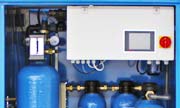
SCM 24
|
|
Cleans 24.000 liters per day
|
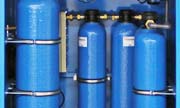
SCM 60
|
|
Cleans 60.000 liters per day
|
Video: How it works
The SCG Advantage
Our market-leading, water cleaning solutions have many advantages. To read more click the items below:
No Chemicals
Our machines and technology does not use any chemicals, at all.
Read more...
No Waste Water
Our machines do not waste any water. Yield = 100%.
Read more...
Low energy use
Uses 50 times less energy than a Reverse Osmosis Machine.
Read more...
Low ownership cost
Lower maintenance and operation costs due to our technology.
Read more...
Easy to install
Simple "plug and play" installation makes for easy deployment.
Read more...
Extremely compact
A compact system, contained in an easy to transport cabinet.
Read more...
Outperforms R.O.
SCG technologies outperform Reverse Osmosis systems.
Read more...
Faster ROI
Get a faster Return on Investment with our systems.
Read more...
Latest News
Latest Blog Posts
| Chemicals in water treatment? |
| Water storage - Whats best for keeping water clean and drinkable? |
| Case: Disaster Management Water Treatment |
Contact SCG
891 Showroom Place
Suite 101
Chula Vista, CA, 91914
Phone: +1 619-878-2730
Contact us by email