


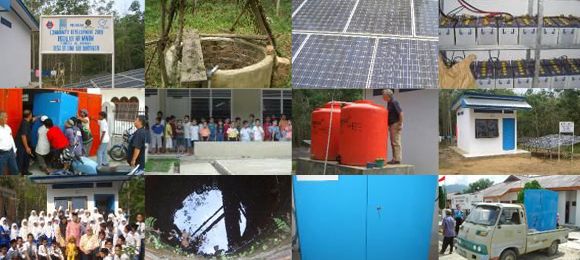







Sustainable water treatment for schools in developing nations
Reliable drinking water is essential to learning, health, and dignity. Yet many schools in developing nations depend on unsafe wells, seasonal streams, tanker deliveries, or aging local networks. Contaminated water can carry bacteria and parasites, while naturally occurring arsenic, manganese, uranium, or agricultural chemicals may create less visible long-term risks.
A school water system must do more than produce clean water during a commissioning visit. It should perform throughout the academic year, withstand power interruptions, suit local skills, and remain affordable for the institution responsible for operating it. Sustainable water treatment for schools therefore combines contaminant removal with practical planning, training, maintenance, and community ownership.
The best solution is rarely the most complex one. It is the system that matches the source water, student population, climate, available energy, and expected daily demand. Chemical-free purification, efficient filtration, solar compatibility, and robust equipment can help schools secure safe water without creating a new burden through high operating costs or hazardous waste.
Why safe water belongs at the center of education
Unsafe water affects attendance in several ways. Children may become ill, miss lessons, or leave school to collect water for their families. Girls can be particularly affected when schools lack dependable water for handwashing, menstrual hygiene, and sanitation. Teachers and support staff also lose working days when waterborne disease spreads through the school community.
The quality of water used for drinking, cooking, and handwashing needs to be considered separately from the quantity available. A school may have a large storage tank but still expose pupils to pathogens if the source is untreated or the distribution points are poorly maintained. A complete water, sanitation, and hygiene program should therefore connect water purification with safe storage, clean taps, toilets, drainage, and regular hygiene education.
Treatment also protects educational investment. New classrooms, laboratories, kitchens, and sanitation facilities cannot deliver their intended value if the water supply is unreliable. A dependable system gives school leaders a practical foundation for public health and helps communities see the school as a long-term resource rather than a temporary project.
Start with the source and the school’s real needs
Water analysis should come before equipment selection. Groundwater can contain arsenic, iron, manganese, fluoride, or uranium even when it looks clear. Surface water may contain bacteria, suspended sediment, pesticides, and organic matter. A laboratory assessment, combined with seasonal sampling, reveals which contaminants require treatment and whether quality changes during rain or drought.
Demand calculations should include drinking fountains, cooking, handwashing, toilets, cleaning, and possible future enrollment. Peak use often occurs during breaks and meal preparation, so a system needs adequate flow and storage rather than simply a filter with an impressive daily capacity. Designers should also account for holidays, boarding facilities, school gardens, and neighboring community use when relevant.
Site conditions are equally important. Consider the distance from the source to the school, elevation changes, available electricity, solar exposure, security, spare-parts access, and the technical confidence of local operators. A modest, repairable installation is usually more sustainable than an advanced unit that depends on imported components or specialist visits from another country.
Match treatment technology to contaminants
Different hazards require different treatment mechanisms. Disinfection can control bacteria, viruses, and other microorganisms, while physical filtration removes particles and turbidity. Activated carbon can reduce some pesticides, odors, and organic compounds. Specialized media or membranes may be needed for arsenic, uranium, or high mineral concentrations.
Chemical-free systems can be valuable where schools have limited storage space, restricted procurement budgets, or concerns about handling chlorine and other reagents. Energy-efficient pumps, gravity-fed filtration, ultraviolet treatment, and appropriately selected membranes can reduce recurring inputs. However, every technology still requires inspection, cleaning, component replacement, and verification of treated-water quality.
| Treatment approach | Best suited to | Main strengths | Planning considerations |
|---|---|---|---|
| Sediment and media filtration | Sand, silt, turbidity, some metals | Simple operation and low energy demand | Media must be cleaned or replaced |
| Activated carbon | Some pesticides, odors, and organic compounds | Improves taste and reduces selected chemicals | Carbon capacity must be monitored |
| Membrane purification | Dissolved salts, uranium, arsenic, and broad contaminant loads | High-quality water from difficult sources | Requires pressure, pre-treatment, and reject-water planning |
| Ultraviolet disinfection | Bacteria and viruses in relatively clear water | No chemical dosing and rapid treatment | Needs reliable power and clean lamps |
| Solar-powered pumping and treatment | Remote sites with strong sunlight | Reduces dependence on unstable grids or fuel | Requires battery, storage, and security planning |
No single process should be selected because it is fashionable or familiar. For example, ultraviolet light cannot compensate for cloudy water that has not been properly filtered, and a membrane system may be unsuitable if its concentrate stream has nowhere safe to go. A treatment train designed around test results will be more efficient and easier to justify to funders.
Design for daily use, not ideal conditions
School systems need accessible collection points at a comfortable height, clear labels, and enough outlets to prevent long queues. Drinking taps should be separated from areas where students wash shoes, clean equipment, or handle animals. Secure pipework and protected storage reduce the risk of recontamination after purification.
Storage tanks provide resilience during power cuts, peak demand, and source interruptions. They should be covered, easy to inspect, protected from sunlight where appropriate, and fitted with drains for periodic cleaning. Overflow and wastewater routes must prevent standing water, erosion, and mosquito breeding around the school grounds.
Climate resilience should be part of the design from the start. In flood-prone locations, treatment equipment and electrical controls may need to be elevated. In dry regions, rainwater harvesting can supplement a borehole or community supply, provided the collection surface and first-flush arrangements are safe. Solar energy may support pumping and treatment, while gravity can reduce the need for continuous power.
Make operation and monitoring part of the project
A sustainable installation depends on people who know what normal operation looks like. School caretakers, teachers, local technicians, and community representatives should receive practical training in starting and stopping the system, checking pressure and flow, cleaning components, identifying leaks, and reporting unusual taste or odor. Instructions should use clear language and visual cues where literacy varies.
Routine monitoring may include flow rate, turbidity, disinfectant performance where relevant, filter condition, tank cleanliness, and laboratory testing at scheduled intervals. Records help identify gradual changes before they become health emergencies. They also demonstrate to authorities and donors that the system is meeting drinking-water standards rather than relying on assumptions.
Budgets should include consumables, transport, testing, spare parts, technician visits, and eventual component renewal. A maintenance fund managed transparently by the school or local authority can prevent small faults from becoming expensive failures. When planning procurement, decision-makers should review what to avoid so that short-lived equipment, unsuitable claims, and hidden operating costs do not undermine the project.
Build local ownership and long-term resilience
External support can help finance infrastructure, conduct water testing, and provide specialist design. Long-term success, however, depends on local institutions. Municipal water departments, education authorities, health workers, parent groups, and community leaders should have defined responsibilities before the system is installed.
Children can become effective ambassadors for safe water when lessons connect science with daily behavior. Simple activities can explain contamination, handwashing, water conservation, and the value of keeping taps and storage areas clean. Student involvement should support the system, while trained adults remain responsible for technical decisions and safety checks.
Procurement should favor proven equipment, documented performance, available spare parts, and suppliers capable of providing support. A pilot installation can reveal whether the system works under real school conditions, including local water chemistry, dust, heat, and fluctuating attendance. Feedback from that pilot can guide expansion to additional schools without copying unsuitable assumptions from one location to another.
Practical priorities for project teams
A school water initiative becomes easier to manage when its technical and social objectives are written clearly. Before construction begins, the responsible partners should agree on water-quality targets, operating procedures, ownership, reporting channels, and the funding source for future maintenance.
The following priorities help keep a project focused:
- Test source water in different seasons before choosing treatment equipment.
- Calculate total daily and peak demand, including sanitation and cooking.
- Prefer energy-efficient, chemical-free, or low-input processes where they suit the contaminants.
- Protect treated water with hygienic storage, well-designed taps, drainage, and regular inspections.
- Train local operators and reserve money for testing, spare parts, and repairs.
These measures also support transparent evaluation. Useful indicators include liters of safe water produced, system uptime, test results, maintenance response time, student attendance, and the number of people served. Tracking such outcomes helps funders distinguish between equipment delivery and genuine improvement in school health.
Swiss Cleanwater Group can support planning with water-treatment expertise, product information, and application-specific guidance for schools, municipalities, and community projects. Teams that have completed an inquiry can review the message confirmation and continue coordinating the next technical steps with the appropriate project contacts.
Safe school water is achievable when treatment is engineered for the source, designed around human use, and supported beyond installation day. Begin with a water-quality assessment, define the school’s real demand, and develop a maintainable purification plan with local partners. With the right combination of technology, training, and accountability, schools can provide healthier learning environments while using water and energy responsibly.
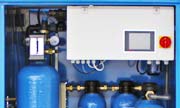
SCM 24
|
|
Cleans 24.000 liters per day
|
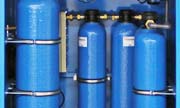
SCM 60
|
|
Cleans 60.000 liters per day
|
Video: How it works
The SCG Advantage
Our market-leading, water cleaning solutions have many advantages. To read more click the items below:
No Chemicals
Our machines and technology does not use any chemicals, at all.
Read more...
No Waste Water
Our machines do not waste any water. Yield = 100%.
Read more...
Low energy use
Uses 50 times less energy than a Reverse Osmosis Machine.
Read more...
Low ownership cost
Lower maintenance and operation costs due to our technology.
Read more...
Easy to install
Simple "plug and play" installation makes for easy deployment.
Read more...
Extremely compact
A compact system, contained in an easy to transport cabinet.
Read more...
Outperforms R.O.
SCG technologies outperform Reverse Osmosis systems.
Read more...
Faster ROI
Get a faster Return on Investment with our systems.
Read more...
Latest News
Latest Blog Posts
| Chemicals in water treatment? |
| Water storage - Whats best for keeping water clean and drinkable? |
| Case: Disaster Management Water Treatment |
Contact SCG
891 Showroom Place
Suite 101
Chula Vista, CA, 91914
Phone: +1 619-878-2730
Contact us by email