









Swimming Pool Water Treatment Without Chlorine: A Safer Alternative
Pool water should be clear, hygienic, comfortable, and easy to manage. Chlorine has long been the standard disinfectant, but many pool owners are looking for alternatives because of its strong odour, skin and eye irritation, storage requirements, and the by-products created when it reacts with organic matter.
A chlorine-free approach does not mean abandoning water safety. It means using a carefully selected combination of physical filtration, ultraviolet light, ozone, advanced oxidation, or membrane treatment to control bacteria, viruses, algae, particles, and dissolved pollutants. The right solution depends on pool size, bather load, water temperature, circulation, and local regulations.
Modern treatment systems can reduce chemical dependence while supporting stable water quality. For public pools, hotels, sports facilities, private residences, farms, and mobile installations, the goal is the same: remove contaminants efficiently without creating unnecessary waste or using excessive energy.
Why Pool Owners Are Moving Beyond Chlorine
Chlorine is effective against many microorganisms, yet its performance and comfort depend heavily on correct dosing. Too little disinfectant can allow microbial growth, while excessive dosing may cause irritation and unpleasant odours. Chlorine also reacts with sweat, cosmetics, urine, and other organic substances to form chloramines.
Chloramines are associated with the familiar “pool smell” and can irritate the eyes, skin, and respiratory system. Indoor pools may experience a greater impact because ventilation is limited. Swimmers, staff, and people with sensitive airways often notice the difference when chloramine levels rise.
Chemical storage is another consideration. Operators must purchase, transport, monitor, and handle disinfectants safely. A treatment design that reduces chemical use can simplify daily operation, lower exposure risks, and support a more sustainable water management strategy.
How Chlorine-Free Pool Treatment Works
A chlorine-free system generally uses several treatment stages rather than relying on a single device. Mechanical filtration removes suspended solids, hair, skin particles, and other debris. This reduces the contaminant load before water reaches the disinfection stage.
Ultraviolet treatment uses light energy to disrupt the genetic material of microorganisms as water passes through a reactor. UV does not leave a lasting residual in the pool, so good circulation and continuous monitoring are essential. Ozone can provide powerful oxidation and disinfection in the treatment loop, helping break down organic compounds before the water returns to the basin.
Membrane systems, including ultrafiltration and reverse osmosis, can remove very small particles and certain dissolved substances. They may be useful when source water contains challenging contaminants or when a facility wants to recycle part of its pool water. The SCG advantage lies in designing treatment around efficient contaminant removal, reduced chemical dependence, and responsible resource use.
Comparing Common Treatment Technologies
No single technology is ideal for every swimming pool. Ultraviolet systems are compact and effective against microorganisms, while ozone adds oxidation capacity. Membranes deliver a higher level of physical separation but may need more careful maintenance and produce a concentrated waste stream. Some facilities combine technologies to balance disinfection, water clarity, operating cost, and user comfort.
The table below provides a practical comparison. Actual performance depends on equipment sizing, hydraulic design, water chemistry, maintenance, and compliance requirements.
| Technology | Main Function | Strengths | Points To Manage |
|---|---|---|---|
| Ultraviolet light | Inactivates microorganisms | No chemical storage, compact equipment, effective in recirculation | No lasting residual; lamps and sleeves require maintenance |
| Ozone | Oxidises organic matter and supports disinfection | Helps reduce odour and contaminants, powerful treatment stage | Requires safe off-gas control and correct dosing |
| Ultrafiltration | Removes particles, colloids, and many microorganisms | Produces clear water and supports low-chemical operation | Membrane cleaning and flow management are necessary |
| Reverse osmosis | Removes dissolved salts and selected contaminants | Useful for difficult source water and partial water recycling | Higher pressure demand and concentrate management |
| Advanced oxidation | Combines oxidation processes to break down pollutants | Useful for persistent organic compounds | System design must control energy use and reaction conditions |
| Mechanical filtration | Captures suspended material | Essential pre-treatment, simple operating principle | Does not disinfect water by itself |
A well-designed installation may use pre-filtration, UV or ozone, and continuous water-quality monitoring. This layered approach helps prevent one treatment stage from carrying more load than it was designed to handle.
Benefits For Swimmers And Facility Operators
The most visible benefit is often improved comfort. Reducing chloramines can mean less eye irritation, less dry or itchy skin, and a fresher indoor atmosphere. Water may retain a neutral smell rather than the sharp odour associated with heavily chlorinated pools.
Operators can also benefit from reduced chemical handling. Fewer hazardous products on site may simplify storage procedures and lower the risk of spills. Automated treatment equipment can provide stable operation when paired with flow sensors, turbidity monitoring, oxidation-reduction measurements, and scheduled maintenance.
Environmental performance matters as well. Lower chemical consumption can reduce packaging, transport, and chemical discharge. Efficient water treatment may also support partial water reuse, especially in facilities that need frequent backwashing or operate under water scarcity constraints. The result is a system designed around the full water cycle rather than disinfection alone.
Designing A Reliable Chlorine-Free Pool System
The starting point is a detailed assessment of the pool. Important factors include basin volume, turnover rate, water temperature, indoor or outdoor location, expected number of swimmers, opening hours, and the quality of make-up water. A children’s pool, an Olympic-size facility, and a private spa will have very different treatment requirements.
Filtration and circulation must be correctly sized. Even advanced disinfection cannot compensate for dead zones, poor hydraulic balance, clogged filters, or inadequate turnover. The treatment train should also account for calcium hardness, pH, alkalinity, temperature, and the organic load introduced by swimmers.
Regulatory requirements must be checked before installation. Some regions require a measurable disinfectant residual in public pools, which may affect the choice of a fully chlorine-free design. In other settings, a non-chlorine primary treatment combined with a minimal residual or approved alternative may be permitted. Professional validation, commissioning, and documented monitoring help ensure that the system remains safe in daily use.
Maintenance And Daily Water Quality Control
Chlorine-free does not mean maintenance-free. Operators still need to inspect pumps, clean filters, check UV intensity, monitor ozone equipment, and verify that sensors are calibrated. Membranes require planned cleaning to prevent fouling, while UV quartz sleeves must remain clear for light to pass effectively.
Water testing should include parameters relevant to the chosen technology. pH, turbidity, temperature, conductivity, oxidation-reduction potential, and microbiological indicators may all be important. Automated controls can alert staff to abnormal flow, reduced UV output, high turbidity, or a change in treatment performance.
Swimmer behaviour also affects results. Showers before entering the pool remove sweat, lotions, and cosmetics that consume treatment capacity. Clear operating rules, effective ventilation, prompt removal of debris, and accurate records support the technical system and protect water quality.
Practical Steps Before Choosing Equipment
A successful project begins with performance requirements rather than a particular brand or device. Ask what contaminants must be controlled, how much water is available for backwashing or discharge, and whether the facility prioritises low energy use, limited chemical storage, water recovery, or minimal operator intervention.
Useful steps include:
- Measure pool volume, turnover rate, peak bather load, and make-up water quality.
- Test source water for hardness, metals, organic matter, microbial contamination, and dissolved solids.
- Compare UV, ozone, membrane, oxidation, and filtration combinations instead of assessing one technology in isolation.
- Confirm local public-health rules, monitoring duties, and requirements for residual disinfectant.
- Request lifecycle information covering energy use, consumables, cleaning, replacement parts, and wastewater management.
A pilot test or site-specific engineering study can reveal how the proposed system performs under real operating conditions. It can also identify whether existing pumps, pipework, filters, and control systems need modification.
For ongoing technical insight, operators can subscribe to updates covering water treatment developments, applications, and system information. Staying informed is valuable because treatment technology, monitoring methods, and regulatory expectations continue to evolve.
A swimming pool can deliver clean, comfortable water without depending entirely on conventional chlorine dosing. The safest choice is a properly engineered treatment train that matches the site, includes reliable monitoring, and is maintained by trained personnel. Swiss Cleanwater Group can help evaluate water quality, treatment objectives, and operating conditions to identify a sustainable solution. Contact the company to discuss a pool water treatment project designed for effective purification, responsible resource use, and a better experience for swimmers and staff.
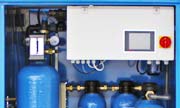
SCM 24
|
|
Cleans 24.000 liters per day
|
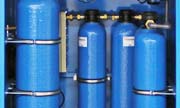
SCM 60
|
|
Cleans 60.000 liters per day
|
Video: How it works

The SCG Advantage
Our market-leading, water cleaning solutions have many advantages. To read more click the items below:
No Chemicals
Our machines and technology does not use any chemicals, at all.
Read more...
No Waste Water
Our machines do not waste any water. Yield = 100%.
Read more...
Low energy use
Uses 50 times less energy than a Reverse Osmosis Machine.
Read more...
Low ownership cost
Lower maintenance and operation costs due to our technology.
Read more...
Easy to install
Simple "plug and play" installation makes for easy deployment.
Read more...
Extremely compact
A compact system, contained in an easy to transport cabinet.
Read more...
Outperforms R.O.
SCG technologies outperform Reverse Osmosis systems.
Read more...
Faster ROI
Get a faster Return on Investment with our systems.
Read more...
Latest News
Latest Blog Posts
| Chemicals in water treatment? |
| Water storage - Whats best for keeping water clean and drinkable? |
| Case: Disaster Management Water Treatment |
Contact SCG
891 Showroom Place
Suite 101
Chula Vista, CA, 91914
Phone: +1 619-878-2730
Contact us by email