







A Caribbean Resort’s Shift To Chemical-Free Pool Treatment
This case study examines how a resort in the Caribbean eliminated chemical disinfection for its pool while maintaining a dependable circulation and sanitation routine. The project addressed a familiar hospitality problem: guests wanted clear, comfortable water, while operators wanted to reduce chemical handling, storage, odours, and ongoing dosing costs.
The resort had relied on conventional chlorine-based pool management. Although this approach was widely understood, it created practical pressures around procurement, staff safety, water quality, and guest experience. Strong smells, irritated eyes, and fluctuating disinfectant levels could affect how visitors perceived the facility, particularly in a warm climate where the pool was in constant use.
The solution came through a physical water-treatment system designed to keep the pool water moving through a controlled purification process. Instead of depending on routine chemical disinfection, the resort used treatment technology to reduce biological contamination and maintain a cleaner water environment with fewer consumables.
For Australian hotel owners, strata managers, aquatic centres, and tourism operators, the Caribbean example is relevant. Pools in Brisbane, Cairns, Sydney, and Perth face heavy seasonal use, high temperatures, and rising expectations around sustainability. Reducing chemical inputs can support operating efficiency, provided the treatment system is engineered, monitored, and managed within applicable public-health requirements.
Why the resort changed its water management
The resort’s pool was central to its guest experience. It operated in a hot, humid environment, with frequent use by families, leisure travellers, and organised groups. High bather loads introduced organic matter into the water, while heat and sunlight increased the need for careful filtration, circulation, and water-quality control.
Chemical disinfection also brought a chain of operational tasks. Staff had to receive, store, measure, and replenish treatment products. Chemical deliveries took up space and depended on reliable transport to an island location. Handling errors could create safety risks, while overdosing affected comfort and increased the likelihood of unpleasant chloramine odours.
The resort therefore looked beyond a simple product substitution. Its objective was to create a stable treatment process that reduced contamination at the point of circulation, limited waste, and lowered dependence on chemical inputs. The project was assessed as a complete water-management upgrade rather than an isolated piece of pool equipment.
This approach reflects the wider work of Swiss Cleanwater Group in developing systems for cleaner water with reduced chemical use and resource demand. The relevant principle is straightforward: treat water continuously and efficiently, rather than correcting quality problems after they have developed.
How physical treatment replaced routine dosing
The installed process used water circulation as its foundation. Pool water was drawn from the basin, passed through treatment equipment, and returned in a controlled loop. This made the quality of the water less dependent on occasional manual dosing and gave operators a repeatable method for managing the pool throughout the day.
Physical treatment can involve several barriers, depending on the source water, pool design, expected bather load, and required flow rate. Fine filtration removes suspended particles, while disinfection technology acts on microorganisms as water passes through the system. Automation and monitoring help staff identify changes in flow, pressure, or treatment performance before they become visible water-quality problems.
The resort’s upgrade also required attention to practical details. Pipework had to match the existing circulation system, treatment capacity had to reflect peak occupancy, and access for cleaning and maintenance had to be preserved. A chemical-free process still needs disciplined operation; filters must be serviced, pumps must perform correctly, and water parameters must be checked on a routine schedule.
| Operating factor | Conventional chemical pool management | Resort’s physical treatment approach |
|---|---|---|
| Primary control method | Regular chemical dosing | Continuous circulation and physical purification |
| Consumables | Chlorine and related balancing products | Fewer routine chemical inputs |
| Staff exposure | Storage, transport, and handling of chemicals | Greater focus on equipment monitoring and servicing |
| Guest experience | Possible odour, eye irritation, and skin discomfort | Cleaner-feeling water with reduced chemical smell |
| Waste profile | Packaging, containers, and chemical residues | Lower consumable waste, subject to filter maintenance |
| Main management priority | Correct dosing and chemical balance | Flow, filtration, treatment performance, and hygiene checks |
The result was a shift in staff responsibilities. Instead of spending much of their attention on chemical stock and dosing adjustments, the resort team could focus on circulation performance, inspection, cleaning, and documented maintenance. That change simplified daily operations without removing the need for professional oversight.
What changed for guests and staff
The most visible improvement was the pool environment. With routine chemical disinfection removed, the resort reduced the sharp smell commonly associated with heavily treated pools. Guests experienced water that felt more comfortable during extended swimming, and staff no longer needed to manage the same volume of chemical containers in service areas.
A reduced chemical burden also supported the resort’s sustainability goals. Less packaging entered the waste stream, fewer deliveries were required, and the risk of accidental spills was lowered. On an island, these advantages can be significant because imported supplies often involve long transport routes, limited storage capacity, and higher logistics costs.
The change also improved the relationship between pool operations and housekeeping. Chemical odours could migrate into nearby guest areas, particularly around enclosed plant rooms or indoor leisure facilities. A cleaner treatment process helped create a more pleasant environment for workers and visitors, while reducing the need to ventilate or isolate chemical storage spaces.
These outcomes mattered commercially. A resort pool is part of the property’s brand, photography, reviews, and repeat-guest appeal. Clear water and a comfortable swimming experience may appear simple, but they influence how visitors judge the whole facility. The project connected water treatment with service quality rather than treating it as a background maintenance issue.
What Australian operators can take from the project
Australian facilities operate under a different regulatory framework, so a Caribbean case cannot be copied without local assessment. Public pools and aquatic venues must follow relevant state or territory health requirements, council expectations, and site-specific operating procedures. In addition, operators should consider guidance associated with the Australian Drinking Water Guidelines when a project includes potable water, while recognising that swimming-pool water has separate management requirements.
The local climate makes the issue especially practical. Brisbane and Cairns experience long warm seasons, Perth faces intense summer heat, and Sydney and Melbourne hotels may see sharp occupancy peaks during school holidays and major events. Higher use means higher bather loads, faster contamination changes, and greater pressure on pumps and filtration. Any alternative to chemical dosing must therefore be sized around real peak conditions, not an average winter day.
Australian operators also face familiar workplace realities. Safe storage and handling of pool chemicals require training, signage, personal protective equipment, and suitable procedures. Reducing chemical volumes can lower exposure and storage pressure, but it does not remove obligations under workplace health and safety law. Facilities managers still need records, testing routines, emergency plans, and competent personnel.
The Australian market is well suited to modular treatment upgrades. Boutique resorts, caravan parks, apartment complexes, aquatic centres, farms with recreation facilities, and remote accommodation sites may all benefit from systems that reduce deliveries and consumables. Reviewing available water treatment equipment alongside hydraulic capacity and compliance requirements can reveal whether a retrofit is technically and financially practical.
Where this model fits next
The resort’s experience demonstrates that chemical-free pool treatment is a systems decision. Equipment selection must account for pool volume, turnover rate, water temperature, sunlight, bather numbers, source-water quality, and the condition of existing pipework. A unit that works well in a private low-use pool may be unsuitable for a large public facility without additional treatment capacity and controls.
The approach is particularly attractive where chemical supply is expensive or unreliable. Remote Australian communities, island resorts, mining camps, military facilities, and agricultural sites often value lower logistical dependence. A treatment system that uses circulation, filtration, and controlled physical purification can reduce the number of deliveries and simplify stock management.
Operators should still establish a transition plan. Baseline water-quality data, hydraulic surveys, commissioning tests, staff training, and maintenance schedules provide the evidence needed to manage the change responsibly. Regular inspection remains essential because chemical-free does not mean maintenance-free.
For hospitality businesses, the strongest benefit is the combination of guest comfort and operational resilience. The Caribbean project showed that removing routine chemical disinfection can be part of a broader move towards efficient, low-waste water management. With suitable engineering and compliance checks, the same thinking can support Australian pools seeking cleaner water, safer work practices, and lower dependence on imported consumables.
Resort owners, aquatic facility managers, and project consultants can assess their current pool process against this model and identify the treatment capacity, monitoring, and maintenance requirements for a chemical-reduction upgrade. Engage a qualified water-treatment specialist to evaluate the site and design a practical path towards cleaner, more efficient pool operation.
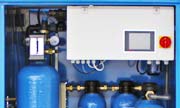
SCM 24
|
|
Cleans 24.000 liters per day
|
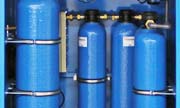
SCM 60
|
|
Cleans 60.000 liters per day
|
Video: How it works
The SCG Advantage
Our market-leading, water cleaning solutions have many advantages. To read more click the items below:
No Chemicals
Our machines and technology does not use any chemicals, at all.
Read more...
No Waste Water
Our machines do not waste any water. Yield = 100%.
Read more...
Low energy use
Uses 50 times less energy than a Reverse Osmosis Machine.
Read more...
Low ownership cost
Lower maintenance and operation costs due to our technology.
Read more...
Easy to install
Simple "plug and play" installation makes for easy deployment.
Read more...
Extremely compact
A compact system, contained in an easy to transport cabinet.
Read more...
Outperforms R.O.
SCG technologies outperform Reverse Osmosis systems.
Read more...
Faster ROI
Get a faster Return on Investment with our systems.
Read more...
Latest News
Latest Blog Posts
| Chemicals in water treatment? |
| Water storage - Whats best for keeping water clean and drinkable? |
| Case: Disaster Management Water Treatment |
Contact SCG
891 Showroom Place
Suite 101
Chula Vista, CA, 91914
Phone: +1 619-878-2730
Contact us by email