







How an Alpine ski resort purified snowmaking water
A ski resort depends on reliable water infrastructure long before the first visitors arrive. Snowmaking systems may operate for weeks during cold weather, drawing and pressurizing large volumes of surface or groundwater to protect ski runs and extend the season. Any contaminant in that source water can affect equipment, snow quality, maintenance routines, and the surrounding environment.
One Alpine resort faced this problem after testing revealed elevated manganese, traces of arsenic, and microbiological contamination in the water used for artificial snow production. Conventional treatment would have required chemical dosing, regular deliveries, and the management of treatment residues. The resort wanted a cleaner process that could operate efficiently during peak winter demand.
The resulting project used a chemical-free purification system designed around the source-water profile and the resort’s variable operating schedule. The case demonstrates how advanced filtration and oxidation technology can support snowmaking while reducing operational complexity and environmental impact.
The water challenge beneath the slopes
The resort drew water from a mountain reservoir replenished by runoff and underground inflows. Although the water looked clear, laboratory analysis identified contaminants that were unsuitable for direct use in a high-throughput snowmaking network. Manganese was the most visible concern because it could create staining and deposits in tanks, pipes, pumps, and snow guns.
Arsenic required closer attention because it can remain undetected without targeted testing. The source also showed intermittent bacterial activity, particularly after periods of heavy rain and rapid snowmelt. Seasonal variation made the treatment challenge more demanding: the system needed to cope with changing turbidity, temperature, flow, and contaminant concentration.
Water quality also mattered beyond the mechanical system. Snow made from untreated water is distributed across the mountain and later returns to the local watershed during thaw. The resort therefore sought a process that would protect staff and equipment without transferring pollution into a concentrated chemical waste stream.
Designing a treatment process for snowmaking
Engineers began with a water analysis rather than selecting a standard package based only on flow rate. The design considered manganese and arsenic removal, bacterial reduction, peak snowmaking demand, available building space, winter access, and the need to keep the plant running during freezing conditions.
The chosen process used catalytic filtration with an oxidation stage that did not depend on continuous chemical additives. As water passed through the treatment media, dissolved metals were converted into particles that could be captured. The filtration stage also reduced suspended solids and helped stabilize the quality entering the snowmaking pumps.
A fully automatic backwash cycle removed accumulated material from the filters. Instead of relying on frequent chemical regeneration, the system used controlled hydraulic cleaning and scheduled inspection. This reduced the number of consumables stored on site and simplified winter maintenance for the resort’s technical team.
The plant was installed upstream of the snowmaking reservoir. That location gave the resort a buffer between treated water production and fluctuating demand, while allowing operators to isolate the purification equipment without shutting down every snow gun.
Installation and commissioning in a mountain environment
Access was a practical part of the project. Heavy equipment had to reach the resort before deep winter, and the installation team worked within a compact technical room close to the water intake. Pipework was insulated, vulnerable components were protected from freezing temperatures, and controls were configured for remote monitoring.
The commissioning phase included repeated sampling before and after filtration. Operators checked manganese, arsenic, turbidity, microbiological indicators, pressure loss, and backwash performance. These measurements established a baseline for routine operation and helped staff recognize early signs of media loading or a change in raw-water quality.
The treatment unit was sized for normal and high-demand periods rather than for a theoretical maximum that would remain unused most of the year. During commissioning, the resort could compare treated-water production with the snowmaking schedule and adjust storage levels accordingly.
| Operating factor | Before treatment | After implementation |
|---|---|---|
| Manganese control | Variable, with risk of deposits | Consistently reduced before snowmaking |
| Arsenic management | Required source-water monitoring and caution | Integrated into the purification process |
| Microbiological quality | Changed after runoff and thaw events | More stable after treatment |
| Chemical handling | Considered for conventional treatment | No routine chemical dosing |
| Filter maintenance | Dependent on source-water conditions | Automatic backwash with scheduled checks |
| Snowmaking reliability | Greater concern about fouling | Cleaner feed water and steadier operation |
| Waste profile | Potential for chemical residues | No chemical sludge from routine treatment |
Results during the snowmaking season
After commissioning, treated water showed a substantial reduction in the target contaminants. Manganese levels remained within the resort’s operational specification, and the water entering the snowmaking network produced fewer visible deposits. The improvement was particularly valuable at pump stations and in areas where narrow passages could otherwise restrict flow.
Microbiological results became more consistent despite changes in weather. The system did not eliminate the need for sampling, but it gave operators a dependable treatment barrier between the raw source and the snowmaking reservoir. Routine testing confirmed that the process continued to perform after runoff events and periods of high demand.
The operational benefits were also visible in maintenance records. Staff reported fewer interruptions linked to fouling and less time spent handling treatment supplies. Because the process avoided routine chemical additions, the resort no longer needed to organize the same level of winter storage, dosing equipment checks, or chemical transport through a busy mountain facility.
Energy use remained controlled because the system relied mainly on the existing pumping arrangement and efficient filtration cycles. The resort still had to manage the energy demands of snow guns and water pumping, but purification did not add a disproportionate load to the operation.
Environmental and financial value
The most important environmental gain was the reduction of chemical dependency. A chemical-free treatment approach removed the risk of accidental overdosing and reduced the need to transport hazardous substances to a remote location. It also avoided creating a concentrated chemical waste stream that would require separate handling.
Water conservation remained part of the operating strategy. Treated water was stored and used according to snowmaking demand, while backwash cycles were optimized to prevent unnecessary discharge. The resort monitored flow and pressure to ensure that filter cleaning was effective without consuming excessive volumes.
Financial savings developed through several channels rather than one dramatic reduction. Lower chemical purchasing, fewer deliveries, simpler storage, and reduced maintenance interruptions all contributed. Protecting pumps, valves, and snow guns also helped extend the service life of equipment that is costly to access and repair during the winter season.
The project showed that sustainability and operational resilience can support each other. The resort did not need to choose between high-quality snow production and responsible water management. By treating the source water at the point of use, it gained greater control over both environmental performance and daily reliability.
Lessons for other seasonal water users
A seasonal facility should not treat water quality as a fixed condition. Mountain reservoirs, streams, wells, and runoff-fed sources can change quickly. A treatment system must therefore be selected using a complete laboratory profile and reviewed against the operating calendar, not just an average annual result.
The case also highlights the importance of matching treatment capacity to real demand. Oversizing can increase capital and energy costs, while undersizing can create bottlenecks during a short period of intense snow production. Storage, peak flow, backwash requirements, and future expansion should be evaluated together.
Automation is valuable when technical staff are spread across a large site. Clear alarms, pressure monitoring, sampling points, and accessible maintenance components allow a small team to manage the plant confidently. Remote visibility is especially useful when weather makes travel difficult.
For resorts assessing similar projects, a structured review can help prioritize the right design decisions:
- Test raw water during different weather and runoff conditions.
- Identify metals, bacteria, turbidity, and any site-specific contaminants.
- Compare chemical and chemical-free options using total operating cost.
- Reserve space for safe access, winter protection, storage, and backwash management.
- Define sampling, alarm, and maintenance procedures before the snow season begins.
Planning a cleaner snowmaking water supply
The resort’s experience is relevant to more than ski areas. Farms, livestock facilities, municipalities, industrial sites, swimming pools, and remote installations may all need dependable treatment without excessive chemical use or complex waste handling. The correct solution depends on water chemistry, flow, treatment objectives, and local operating conditions.
A site assessment can identify whether catalytic filtration, disinfection, prefiltration, or a combined process is appropriate. It can also reveal whether the source changes seasonally and whether existing pumps, tanks, and pipework can support the proposed system. Reviewing these factors early prevents costly changes during installation.
Swiss Cleanwater Group provides water treatment solutions for applications where contaminant removal, efficient operation, and responsible resource use are central requirements. Its technologies are designed to address pollutants such as manganese, arsenic, bacteria, pesticides, and uranium without relying on unnecessary chemicals or excessive energy.
For a ski resort, clean snowmaking water is part of a wider infrastructure strategy. It protects equipment, supports consistent slope preparation, and limits the environmental footprint of winter operations. A treatment system built around real source-water conditions can deliver these benefits throughout the season.
Resort managers and engineering teams can arrange a free site assessment to examine water quality, flow requirements, and practical installation conditions. Early technical evaluation makes it easier to plan a reliable purification system before the next snowmaking cycle begins.
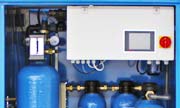
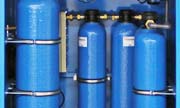
SCM 24
|
|
Cleans 24.000 liters per day
|
SCM 60
|
|
Cleans 60.000 liters per day
|
Video: How it works
The SCG Advantage
Our market-leading, water cleaning solutions have many advantages. To read more click the items below:
No Chemicals
Our machines and technology does not use any chemicals, at all.
Read more...
No Waste Water
Our machines do not waste any water. Yield = 100%.
Read more...
Low energy use
Uses 50 times less energy than a Reverse Osmosis Machine.
Read more...
Low ownership cost
Lower maintenance and operation costs due to our technology.
Read more...
Easy to install
Simple "plug and play" installation makes for easy deployment.
Read more...
Extremely compact
A compact system, contained in an easy to transport cabinet.
Read more...
Outperforms R.O.
SCG technologies outperform Reverse Osmosis systems.
Read more...
Faster ROI
Get a faster Return on Investment with our systems.
Read more...
Latest News
Latest Blog Posts
| Chemicals in water treatment? |
| Water storage - Whats best for keeping water clean and drinkable? |
| Case: Disaster Management Water Treatment |
Contact SCG
891 Showroom Place
Suite 101
Chula Vista, CA, 91914
Phone: +1 619-878-2730
Contact us by email