


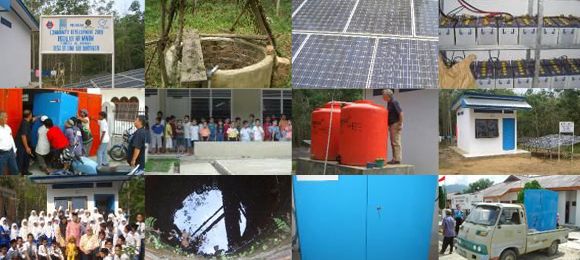







How a university campus turned stormwater into a reuse resource
A university campus in Australia has shown how stormwater runoff can become a dependable source of non-potable water rather than a waste stream sent straight to the drain. The project treated water collected from roofs, paved courtyards and service roads, then reused it for irrigation, toilet flushing and selected maintenance tasks.
The case study focused on a chemical-free treatment train designed to manage variable water quality without creating a concentrated waste stream. The system removed suspended solids, organic matter and microbiological risks while keeping energy consumption low enough for practical operation across a large education precinct.
For universities, this approach supports water security, reduces pressure on mains supplies and gives students a visible example of circular resource management. It also suits Australian conditions, where intense summer storms can alternate with long dry periods and where water-efficient infrastructure has become a priority for councils, facility managers and public institutions.
The campus water challenge
The university operated several buildings across a compact campus with lecture theatres, laboratories, residences, sports fields and landscaped public areas. Roof drainage and hard surfaces produced large volumes of runoff during heavy rain, while irrigation demand increased during hot periods. In cities such as Brisbane and Sydney, a single storm can deliver more water in an hour than a garden needs for weeks, yet that water is often lost through conventional drainage.
The existing arrangement relied heavily on mains water for gardens, cooling-related tasks, wash-down areas and toilet facilities. Runoff also carried fine sediment, leaf matter, hydrocarbons from vehicle areas, bird droppings and other pollutants from the urban catchment. Water quality changed rapidly between the first flush of a storm and the later, cleaner flow, making a simple storage tank unsuitable for reliable reuse.
The project team therefore treated stormwater as a variable raw-water source rather than assuming it was clean after visual screening. This distinction shaped the design, monitoring programme and operating procedures.
Designing a chemical-free treatment train
The system began with collection pits and coarse screening to capture leaves, litter and larger particles before water entered the storage stage. A first-flush diversion reduced the amount of heavily contaminated runoff reaching the main tank. Settling and pre-filtration then removed heavier solids, helping protect the downstream purification equipment.
The treatment stage used physical separation and disinfection methods selected for the campus water-quality targets. Depending on the operating stream, membrane filtration could reduce fine particles, bacteria and other suspended contaminants, while ultraviolet treatment provided an additional microbiological barrier without dosing chlorine or other chemicals. This approach avoided the handling, storage and replenishment requirements associated with conventional chemical treatment.
The design also avoided producing a regular reject stream that would require disposal. That was important because a large university may have limited space for waste handling and strict environmental controls around discharge. The final water was intended for approved non-drinking applications, with separate controls in place to prevent cross-connection with potable supplies.
Managing changing stormwater quality
Stormwater is rarely consistent. The first runoff after a dry spell can contain dust, pollen, metals, hydrocarbons and accumulated organic material. Later flows may be less polluted but can still contain microorganisms or fine sediment. The campus solution used staged treatment, level sensors and water-quality checks so that unsuitable inflows could be isolated rather than passed directly into the reuse network.
Storage capacity was matched to the campus demand profile. Water captured during a major storm was retained for later irrigation and flushing, while excess flows continued through a controlled overflow route. This balance prevented the storage tank from remaining full when another storm arrived. It also helped maintain a useful reserve during dry weather, when Melbourne-style water restrictions or local council limits may affect outdoor irrigation practices.
Operational monitoring covered turbidity, flow, tank levels and disinfection performance. The facilities team received alerts when filters required attention or when water quality moved outside the agreed operating range. Routine inspection remained necessary, but automation reduced the need for constant manual intervention.
Reuse across an active university precinct
The treated stormwater supplied drip irrigation and selected sprinkler zones across gardens, tree plantings and sports-field margins. It was also used for toilet flushing in newer buildings through a clearly separated non-potable network. Cleaning contractors used the water for limited external wash-down work, subject to site procedures and the approved end-use schedule.
A dual-pipe arrangement, colour coding and backflow protection helped protect the potable system. Signage identified non-drinking outlets, and maintenance staff received instructions covering sampling, isolation and safe access. These controls are essential in Australia, where water-reuse installations must be designed with relevant plumbing requirements and site-specific risk management in mind. Treatment performance alone does not remove the need for sound network design.
The project reduced demand for treated mains water while giving the university greater control over irrigation during dry periods. In Perth, where groundwater and water conservation are prominent public issues, the same principles could support landscaped campuses with careful source protection. In regional areas, the value may be even greater where potable supplies are constrained or tanker deliveries are expensive.
Environmental and financial results
The campus recorded lower mains-water consumption for approved non-potable uses after commissioning. Savings varied with rainfall, storage levels and seasonal irrigation demand, so the project was evaluated over multiple weather cycles rather than through a single wet-season comparison. This provided a more realistic picture of performance under Australian conditions.
Avoiding chemical dosing simplified storage and reduced dependence on deliveries, chemical handling procedures and empty-container disposal. Lower energy demand also supported the university’s emissions objectives. The system still required pumps, controls and periodic filter servicing, but the operating profile was designed around efficient treatment and gravity-assisted movement wherever the site allowed it.
The environmental benefits extended beyond the campus boundary. Capturing runoff reduced peak discharge into local drainage infrastructure during intense storms, while reuse reduced the volume of potable water required for tasks that did not need drinking-water quality. The project also created a practical demonstration site for engineering, environmental science and sustainability courses.
The university worked with specialist suppliers, contractors and local stakeholders during planning and commissioning. Partnerships of this kind help translate water-treatment research into dependable infrastructure, and organisations seeking suitable technical networks can review treatment partners with experience across municipal, industrial and institutional applications.
Lessons for future campus projects
The strongest lesson was the importance of starting with end uses and risk controls rather than selecting equipment first. Irrigation, toilet flushing and wash-down each have different water-quality requirements, demand patterns and exposure risks. Defining those uses early allowed the treatment train, storage volume and pipework to be sized more efficiently.
The project also demonstrated that stormwater reuse works best as part of a broader water-management plan. Building audits, leak detection, efficient irrigation, soil improvement and drought-tolerant landscaping reduced demand before the treatment system was sized. During Australia’s hot summers, these measures can have as much influence on water security as the purification equipment itself.
Future installations could combine roofwater, stormwater and other suitable sources, provided each stream receives an appropriate risk assessment. Mobile treatment units may also support temporary campuses, emergency facilities or remote research stations. For government-funded projects, farming precincts and large commercial developments, modular systems can make staged expansion easier as demand increases.
A clear sustainability objective should remain central to procurement. The company’s mission for clean water reflects the wider principle demonstrated by this campus: water treatment should protect public health while limiting chemical use, waste generation and unnecessary energy consumption.
Universities planning a stormwater harvesting project can begin with a site water balance, catchment survey and review of intended reuse points. Swiss Cleanwater Group can help assess source-water quality, treatment requirements, storage and monitoring needs for a campus-specific solution. Contact the team to discuss a practical pathway from stormwater capture to safe, efficient water reuse.
SCM 24
|
|
Cleans 24.000 liters per day
|
SCM 60
|
|
Cleans 60.000 liters per day
|
Video: How it works
The SCG Advantage
Our market-leading, water cleaning solutions have many advantages. To read more click the items below:
No Chemicals
Our machines and technology does not use any chemicals, at all.
Read more...
No Waste Water
Our machines do not waste any water. Yield = 100%.
Read more...
Low energy use
Uses 50 times less energy than a Reverse Osmosis Machine.
Read more...
Low ownership cost
Lower maintenance and operation costs due to our technology.
Read more...
Easy to install
Simple "plug and play" installation makes for easy deployment.
Read more...
Extremely compact
A compact system, contained in an easy to transport cabinet.
Read more...
Outperforms R.O.
SCG technologies outperform Reverse Osmosis systems.
Read more...
Faster ROI
Get a faster Return on Investment with our systems.
Read more...
Latest News
Latest Blog Posts
| Chemicals in water treatment? |
| Water storage - Whats best for keeping water clean and drinkable? |
| Case: Disaster Management Water Treatment |
Contact SCG
891 Showroom Place
Suite 101
Chula Vista, CA, 91914
Phone: +1 619-878-2730
Contact us by email