





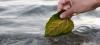
A Zoo Maintains Safe Water Without Chlorine
A modern zoo must provide reliable water for many different species, each with its own tolerance for contaminants and changes in water quality. Drinking points, pools, misting systems, cleaning stations, and animal enclosures all depend on a supply that is microbiologically safe and free from substances that could affect animal health.
This case study examines how a zoo replaced routine chlorine use with a sustainable water-treatment approach. The goal was to produce clean water for animals and staff while avoiding chemical storage, unpleasant taste and odour, wastewater, and unnecessary energy consumption.
The project also had to work across several water uses. Water for large mammals could not always be managed in exactly the same way as water for sensitive aquatic species, young animals, or enclosure vegetation. A flexible treatment design was therefore essential.
Water Safety Across Diverse Enclosures
The zoo relied on groundwater and municipal supplies in different parts of the site. Testing identified several treatment concerns, including bacterial contamination risks, traces of manganese, occasional turbidity, and mineral deposits that affected pipework and water fixtures. The water was generally usable, but it required consistent conditioning before distribution.
Chlorine had been considered the simplest way to control microorganisms. However, continuous chlorination created operational drawbacks. Operators had to handle and replenish chemicals, monitor residual levels, and manage the effect of disinfectant by-products in animal pools and wash-down water. Chlorine smell was also undesirable in enclosed habitats and visitor-facing areas.
The zoo wanted a process that could protect animal health without changing the character of the water. It also needed to limit concentrate, sludge, and other waste streams. The treatment equipment had to operate reliably during seasonal visitor peaks, when demand could rise sharply.
Building The Treatment Strategy
The first step was a detailed assessment of the source water, daily consumption, peak flow, storage capacity, and distribution network. Samples were examined for bacteria, metals, pesticides, hardness, pH, and other parameters relevant to animal care. Separate sampling points helped identify whether contaminants entered at the source or within the site’s pipework.
The resulting system combined physical filtration with membrane-based purification and targeted disinfection. The process was designed to remove suspended particles and selected dissolved contaminants while creating a controlled barrier against microorganisms. Because the treatment did not depend on a persistent chemical residual, the zoo could avoid storing chlorine near animal areas.
A key design decision was to treat water close to where it was needed. Central treatment supplied the main network, while smaller point-of-use units protected sensitive applications such as aquarium systems, nursery enclosures, and drinking fountains. This reduced the distance treated water travelled through older pipes and helped maintain stable quality.
For projects using wells or boreholes, a properly selected groundwater treatment system can address site-specific problems such as iron, manganese, arsenic, bacteria, or uranium before water enters the distribution network.
How The Chlorine-Free Process Worked
Incoming water first passed through prefiltration to remove sand, sediment, and larger particles. This protected downstream equipment and reduced the risk of premature fouling. Where manganese or iron was present, the treatment sequence included a dedicated removal stage to prevent staining, metallic taste, and deposits in valves and drinking bowls.
A fine membrane stage then provided a physical barrier against microorganisms and remaining suspended matter. Depending on the application, the treated water could pass through ultrafiltration or reverse osmosis. The choice was based on the required purity, flow rate, mineral content, and sensitivity of the animals using each water stream.
Ultraviolet treatment provided an additional microbiological safeguard without adding a chemical to the water. UV performance was monitored through lamp status, flow control, and maintenance records. The system was configured so that poor operating conditions could trigger an alarm or divert water rather than allowing untreated water to continue into critical applications.
| Water Use | Main Risk | Treatment Focus | Operating Benefit |
|---|---|---|---|
| Animal drinking points | Bacteria, metals, deposits | Filtration and membrane purification | Consistent, palatable water |
| Mammal pools | Microorganisms, organic load | Prefiltration, UV, circulation control | Reduced chemical exposure |
| Aquatic habitats | Sensitive species, mineral imbalance | Fine filtration and controlled remineralisation | Stable water chemistry |
| Cleaning and wash-down | High volume and variable quality | Robust prefiltration and monitored supply | Lower maintenance burden |
| Nursery enclosures | High sensitivity to contamination | Point-of-use purification and UV | Additional protection where needed |
Not every outlet required the same treatment intensity. This application-based approach helped the zoo avoid over-treating low-risk uses while reserving the highest purification level for vulnerable species and closed aquatic systems.
Monitoring Animal And Operational Health
Water quality monitoring continued after commissioning. Staff checked turbidity, conductivity, pH, temperature, microbiological indicators, and selected chemical parameters. Sampling frequency was increased during hot weather, after maintenance work, and whenever an enclosure’s water demand changed significantly.
Animal-care teams provided practical feedback that laboratory results alone could not show. They reported changes in drinking behaviour, pool clarity, residue on surfaces, and the condition of water bowls. Keepers also observed whether animals avoided particular drinking points or whether aquatic systems developed unusual deposits.
The absence of chlorine simplified several daily tasks. Staff no longer needed to measure and adjust residual disinfectant at multiple locations, and chemical handling procedures were reduced. Pool and enclosure water still required disciplined cleaning and circulation, but the treatment programme was less dependent on a chemical dose remaining effective throughout the network.
Maintenance shifted toward predictable technical tasks: replacing prefilters, inspecting membrane performance, cleaning components, checking UV lamps, and verifying sensors. These activities could be scheduled around animal routines and planned shutdowns instead of responding to fluctuating chlorine demand.
Efficiency Gains Beyond Water Quality
The zoo’s water strategy was assessed according to resource use as well as purity. A chemical-free process reduced the need for deliveries, storage areas, protective equipment, and chemical waste management. It also removed the risk of overdosing caused by changes in temperature, organic load, or flow.
Energy use was controlled through correctly sized pumps, variable operating schedules, and selective treatment. High-purity water was produced only for applications that required it. Recovery and reuse options were evaluated for suitable non-drinking purposes, including certain cleaning operations and landscape irrigation, subject to hygiene controls and local regulations.
Reducing mineral deposits produced a further operational benefit. Valves, spray nozzles, water bowls, and circulation equipment required less frequent descaling. Clearer water also supported better inspection of habitats, which helped staff identify mechanical faults and cleaning needs more quickly.
The project demonstrated that sustainable treatment is not defined by a single technology. It comes from matching purification performance to actual water risks, protecting sensitive equipment, and avoiding wasteful treatment of water that does not need the highest quality.
Lessons For Animal Facilities
The case showed that chlorine-free water treatment can be practical in a complex environment when the system is designed around animal welfare and operational reality. Removing chlorine alone does not guarantee safe water. Source protection, filtration, UV performance, storage hygiene, pipework condition, and regular testing must work together.
Different species may require different water characteristics. Some animals benefit from low-mineral water, while others need a controlled mineral balance. Amphibians and aquatic species can be especially sensitive to contaminants that have little visible effect on mammals. Treatment targets should therefore be developed with veterinarians, water specialists, keepers, and maintenance teams.
The zoo also found that staff acceptance was important. Operators were more willing to support the new system when alarms were clear, maintenance steps were documented, and test results were easy to interpret. Training covered sampling, filter changes, emergency bypass procedures, and the response required if a result moved outside its operating range.
For facilities considering a similar transition, the most important planning principles are:
- Test the source water and distribution network before selecting equipment.
- Separate drinking, pool, aquatic, cleaning, and irrigation requirements.
- Use staged treatment so each component addresses a defined risk.
- Install monitoring and alarms for flow, pressure, turbidity, UV performance, and membrane condition.
- Maintain a written sanitation, sampling, and emergency response programme.
- Involve animal-care staff in commissioning and ongoing performance reviews.
A zoo’s water system must remain dependable during weekends, holidays, heatwaves, and changes in animal populations. Designing for peak demand and planned redundancy is often more valuable than selecting equipment based only on average daily consumption.
A Practical Model For Sustainable Purification
This example offers a model for zoos, wildlife parks, aquariums, livestock facilities, and other sites where water comes into direct contact with animals. The same principles can be adapted to municipal buildings, farms, industrial premises, and mobile installations, provided the treatment objectives are based on verified water analysis.
The most effective solution is usually a complete process rather than a single filter. Pretreatment protects the main purification stage, membranes provide contaminant removal, UV supports microbiological control, and monitoring confirms that the system is working as intended. Storage and distribution must receive equal attention because treated water can be compromised after it leaves the equipment.
Facilities seeking ongoing technical information can review newsletter preferences while evaluating treatment options and planning future water-quality projects. Clear documentation and access to specialist support help operators keep the system aligned with changing animal-care requirements.
A chlorine-free approach can give a zoo cleaner water, simpler chemical management, and a lower-waste operating profile. When supported by testing, targeted treatment, and trained staff, it can protect animals without placing unnecessary burdens on the environment or the people responsible for daily care.
Contact Swiss Cleanwater Group to assess your source water, identify the right purification stages, and develop a dependable treatment system for animal enclosures, pools, drinking points, and supporting operations.
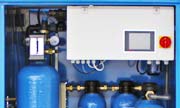
SCM 24
|
|
Cleans 24.000 liters per day
|
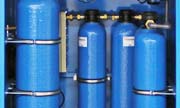
SCM 60
|
|
Cleans 60.000 liters per day
|
Video: How it works
The SCG Advantage
Our market-leading, water cleaning solutions have many advantages. To read more click the items below:
No Chemicals
Our machines and technology does not use any chemicals, at all.
Read more...
No Waste Water
Our machines do not waste any water. Yield = 100%.
Read more...
Low energy use
Uses 50 times less energy than a Reverse Osmosis Machine.
Read more...
Low ownership cost
Lower maintenance and operation costs due to our technology.
Read more...
Easy to install
Simple "plug and play" installation makes for easy deployment.
Read more...
Extremely compact
A compact system, contained in an easy to transport cabinet.
Read more...
Outperforms R.O.
SCG technologies outperform Reverse Osmosis systems.
Read more...
Faster ROI
Get a faster Return on Investment with our systems.
Read more...
Latest News
Latest Blog Posts
| Chemicals in water treatment? |
| Water storage - Whats best for keeping water clean and drinkable? |
| Case: Disaster Management Water Treatment |
Contact SCG
891 Showroom Place
Suite 101
Chula Vista, CA, 91914
Phone: +1 619-878-2730
Contact us by email