


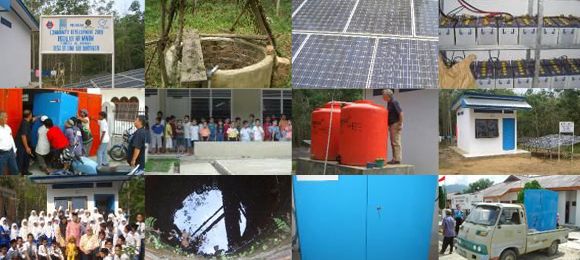







Catalytic oxidation for safer surface water
Surface water can carry a complex mixture of natural and human-made contaminants. During warm weather, nutrients may stimulate cyanobacterial blooms in reservoirs, rivers, farm dams and lagoons. Some species release cyanotoxins that remain dissolved even after the visible green scum has disappeared, creating a treatment challenge for drinking-water suppliers and other water users.
Catalytic oxidation offers a targeted way to break down these compounds. The process uses an oxidant, such as ozone, hydrogen peroxide or oxygen-derived reactive species, together with a catalyst that accelerates the formation of highly reactive radicals. These radicals attack the molecular structure of cyanotoxins and can convert them into simpler, less harmful compounds.
For Australian utilities, the issue is especially relevant in the Murray–Darling Basin, regional Queensland and other areas where drought, low flows and high summer temperatures can concentrate nutrients. A treatment train must cope with changing raw-water quality, strict operational controls and the practical realities of supplying communities far from major infrastructure.
Swiss Cleanwater Group develops water-treatment technologies for municipal, industrial, agricultural and mobile applications. Its approach focuses on reducing contaminants with efficient processes and avoiding unnecessary chemical use, waste and energy consumption where the site conditions allow.
Why cyanobacterial toxins require specialised treatment
Cyanobacteria, often called blue-green algae, are photosynthetic organisms that naturally occur in lakes, rivers and storage dams. When nutrient loading, sunlight, warm temperatures and stagnant conditions coincide, their populations can increase rapidly. A bloom may produce microcystins, cylindrospermopsin, anatoxin-a or saxitoxins, depending on the species and local conditions.
The visible algae are only part of the problem. Cyanotoxins may be released when cells age, rupture or are damaged by treatment. Conventional coagulation and filtration can remove intact cells effectively, but dissolved toxins may pass through unless adsorption or oxidation is included. Boiling is not a dependable control method and may concentrate some contaminants as water evaporates.
Australian operators commonly work within the Australian Drinking Water Guidelines and state-based public-health requirements. A council in New South Wales, a utility in South Australia or a remote Queensland scheme may each face different source-water conditions, yet all need reliable barriers against toxin exposure. Sampling must therefore consider both the bloom and the dissolved compounds that remain after the bloom changes.
How catalytic oxidation breaks down toxins
In catalytic oxidation, a catalyst increases the efficiency of an oxidising reaction. Ozone, hydrogen peroxide, ultraviolet light or combinations of these can generate hydroxyl radicals and other reactive oxygen species. These short-lived oxidants attack vulnerable bonds in cyanotoxin molecules, progressively reducing their biological activity and, with suitable conditions, mineralising them into carbon dioxide, water and inorganic ions.
The treatment result depends on pH, temperature, oxidant dose, contact time, turbidity, natural organic matter and the specific toxin present. High levels of organic matter can consume the oxidant before it reaches the target. Iron, manganese and other substances may also compete for reactive species. For this reason, catalytic oxidation is engineered as part of a treatment train rather than treated as a universal stand-alone solution.
Pretreatment can improve performance by removing suspended solids and intact algal cells. A downstream biological filter, activated carbon stage or other polishing barrier may then capture reaction by-products and residual organic compounds. Pilot testing is important because the best catalyst and operating conditions for microcystin may not be identical to those required for cylindrospermopsin or anatoxin-a.
Designing a practical treatment train
A robust system begins with source-water assessment. Operators should track bloom indicators, chlorophyll-a, turbidity, dissolved organic carbon, nutrient levels and toxin concentrations. Continuous or frequent monitoring can support an early-warning programme, particularly for reservoirs supplying towns during a dry summer. When a bloom is detected, the plant can adjust intake depth, pretreatment, oxidation intensity and verification sampling.
The catalytic reactor may be configured as a fixed-bed unit, a contact vessel or a combined advanced oxidation module. The catalyst surface, hydraulic loading and mixing pattern influence how evenly water is treated. Good design prevents short-circuiting and ensures that the oxidant has enough contact with the water before it reaches subsequent filters or storage.
| Treatment objective | Suitable process role | Important control point |
|---|---|---|
| Remove intact cyanobacterial cells | Coagulation, clarification, dissolved air flotation or membrane filtration | Prevent cell rupture and toxin release |
| Degrade dissolved microcystins | Catalytic ozonation or another advanced oxidation process | Control ozone exposure, pH and organic-matter demand |
| Address several toxin types | Combined oxidation and adsorption or biological polishing | Verify each relevant toxin rather than using a single indicator |
| Protect final water quality | Activated carbon, biofiltration or membrane polishing | Test for oxidation by-products and residual oxidant |
| Manage changing bloom conditions | Online monitoring and adaptive dosing | Link alarms to sampling and operating procedures |
A plant serving an outback community may need compact equipment, remote alarms and simple maintenance routines. A larger metropolitan utility may prioritise automation, redundancy and integration with an existing ozone, carbon or membrane facility. In both cases, the process should be validated using local water, not only clean laboratory water.
Managing energy, residuals and verification
Catalytic oxidation can reduce the amount of oxidant required compared with an equivalent non-catalytic process, although actual savings depend on the catalyst, water chemistry and reactor design. Careful dosing avoids wasting ozone or peroxide and limits the formation of unwanted oxidation products. Energy demand should include pumps, gas generation, ultraviolet equipment, mixing, monitoring and any required off-gas destruction.
Verification needs more than a single sample taken at the plant outlet. Operators should establish sampling points before treatment, after oxidation and after final polishing. Laboratory analysis can confirm toxin removal, while online measurements such as oxidation-reduction potential, ozone residual, ultraviolet transmittance and turbidity help demonstrate stable operation.
Catalyst durability also matters. A material that performs well initially may lose activity if fouled by algae, iron or organic matter. Routine inspection, backwashing, cleaning and replacement planning should be included in the lifecycle assessment. Where a process produces intermediate oxidation products, these must be identified and assessed rather than assuming that disappearance of the original toxin proves complete safety.
The same disciplined approach is useful when evaluating other emerging contaminants. Research into advanced filtration media illustrates why treatment selection should reflect contaminant properties, source-water chemistry and the performance of the complete system.
Applying the technology across Australian sites
Surface-water treatment is not limited to public drinking-water plants. Dairy farms, cattle stations, food processors, mines, aquaculture facilities, swimming pools and emergency-response teams may all need a dependable barrier when source water is affected by algae. A mobile unit could support a remote settlement after a contamination event, while a permanent installation could protect a regional reservoir through repeated summer blooms.
Australian procurement often involves councils, state agencies, engineering contractors and operators who must justify whole-of-life costs. A system that uses fewer consumables may be attractive, but only when maintenance, operator training, laboratory testing and spare parts are included in the business case. In regional areas, local service capacity and reliable access to replacement components can be as important as the reactor’s headline removal rate.
A staged implementation is usually sensible. Source-water testing and bench trials can identify the toxin profile and oxidant demand. Pilot operation then confirms hydraulic performance, catalyst stability and by-product control. Once the design is validated, the full-scale plant can be connected to alarms, sampling plans and documented response procedures for bloom events.
Swiss Cleanwater Group provides water treatment solutions for municipalities, industry, farming, livestock operations, buildings and mobile applications. Its technical team can assess whether catalytic oxidation should work alongside filtration, adsorption, membrane separation or another barrier for a particular Australian site.
Contact Swiss Cleanwater Group to discuss surface-water testing, pilot treatment and a practical cyanotoxin-control strategy. A site-specific assessment can connect the right oxidation process with monitoring, polishing and operating requirements, helping turn variable bloom conditions into a manageable water-quality programme.
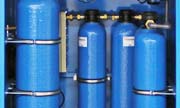
SCM 24

|
|
Cleans 24.000 liters per day
|
SCM 60
|
|
Cleans 60.000 liters per day
|
Video: How it works
The SCG Advantage
Our market-leading, water cleaning solutions have many advantages. To read more click the items below:
No Chemicals
Our machines and technology does not use any chemicals, at all.
Read more...
No Waste Water
Our machines do not waste any water. Yield = 100%.
Read more...
Low energy use
Uses 50 times less energy than a Reverse Osmosis Machine.
Read more...
Low ownership cost
Lower maintenance and operation costs due to our technology.
Read more...
Easy to install
Simple "plug and play" installation makes for easy deployment.
Read more...
Extremely compact
A compact system, contained in an easy to transport cabinet.
Read more...
Outperforms R.O.
SCG technologies outperform Reverse Osmosis systems.
Read more...
Faster ROI
Get a faster Return on Investment with our systems.
Read more...
Latest News
Latest Blog Posts
| Chemicals in water treatment? |
| Water storage - Whats best for keeping water clean and drinkable? |
| Case: Disaster Management Water Treatment |
Contact SCG
891 Showroom Place
Suite 101
Chula Vista, CA, 91914
Phone: +1 619-878-2730
Contact us by email