






Solar Filtration Brings Safe Water to a Remote Island
For a remote island community, reliable drinking water depends on more than finding a source. Salt spray, heavy rainfall, ageing infrastructure, contaminated groundwater and long supply routes can all affect water quality. When fuel deliveries are delayed by rough seas or cyclone conditions, a treatment plant must continue operating with minimal outside support.
This case study describes a representative Australian island project using solar-powered filtration to produce potable water without routine chemical dosing. The approach combines renewable energy, targeted contaminant removal and straightforward monitoring, creating a practical model for communities, local councils and remote operators seeking greater water security.
The Island’s Water Security Problem
The community was located on a small Queensland island with several hundred residents, a clinic, a school, a council depot and seasonal visitors. Its groundwater bore provided enough water for daily use, but testing identified naturally occurring manganese and traces of arsenic. After intense rain, bacterial counts also became less predictable as surface water entered shallow parts of the aquifer.
Before the upgrade, drinking water was treated with a conventional system powered by a diesel generator. Fuel had to arrive by barge from the mainland, adding freight costs and creating an operational risk during rough weather. Replacement parts and specialist technicians also faced long travel times, while the plant’s electricity demand placed pressure on a small local grid.
These circumstances resemble the water challenges found across Australia’s remote communities, including parts of the Torres Strait and northern Western Australia. A solution needed to suit local conditions rather than rely on the same assumptions used for a metropolitan plant in Sydney or Melbourne.
Designing A Low-Energy Treatment System
The project team began with a detailed water analysis covering turbidity, pH, conductivity, manganese, arsenic, microbial indicators and seasonal changes. This information determined the treatment sequence and prevented the community from investing in equipment that addressed the wrong contaminants.
Raw bore water first passed through pre-filtration to capture suspended particles. A specialised filtration stage then reduced manganese and arsenic, followed by fine filtration and disinfection to control bacteria. The system was designed to operate without continuous chemical dosing, which reduced the need to transport, store and handle treatment chemicals on a small island.
The treatment plant was sized around actual community demand, including morning peaks, school use and dry-season visitors. Modular equipment also allowed individual components to be isolated for servicing while the rest of the plant remained available. For operators working in remote locations, this type of redundancy can be as important as the filtration media itself.
Solar Power For Continuous Operation
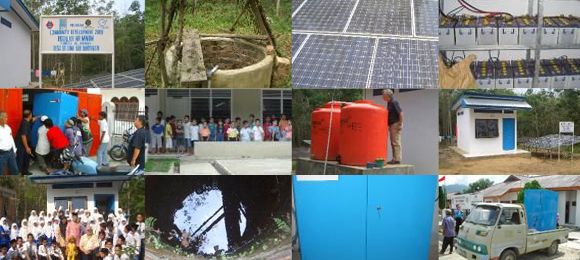
A rooftop and ground-mounted solar array supplied the electricity required by pumps, controls and monitoring equipment. Battery storage carried the plant through overnight operation and short periods of cloud. The design also included an efficient operating schedule, allowing the plant to fill a treated-water tank during strong sunlight and draw from storage when demand increased.
This arrangement reduced diesel consumption and made the water supply less exposed to fuel price changes. It also suited the Australian renewable-energy market, where solar equipment is widely available and familiar to electricians in regional Queensland. The council retained a small generator for emergency backup, but it was no longer the primary source of power.
Energy efficiency was treated as part of water treatment performance. Low-pressure filtration, variable-speed pumping and automatic backwashing helped reduce the load on the solar array. Backwash water was managed carefully so that the project did not simply transfer a contamination problem from the drinking-water stream to the surrounding environment.
Removing Arsenic And Manganese Safely
Arsenic requires particular care because it can occur naturally in groundwater and may not alter the water’s taste, colour or smell. The treatment design therefore relied on laboratory results and routine verification rather than visual checks. Information about arsenic removal guidance helped frame the risk assessment and the selection of an appropriate treatment pathway.
Manganese presented a separate challenge. At elevated concentrations, it can cause staining, unpleasant water quality and deposits in pipes and tanks. The filtration media was selected to promote reliable removal at the island’s flow rate, with scheduled performance checks to identify any decline before treated water fell outside the required standard.
The system also included sampling points before and after each key stage. Operators could compare raw-water and treated-water results, check pressure differences across filters and identify when maintenance was needed. This data gave the council a clear record for regulators and strengthened confidence among residents who had previously experienced inconsistent water quality.
Building Local Capability
Technology alone would not make the project sustainable. Two local maintenance workers received training in daily inspections, sample collection, filter checks, battery status and basic fault response. Clear operating instructions were placed inside the plant room, using simple language and colour-coded valves to reduce the risk of incorrect adjustments.
Remote support was available for alarms or unusual test results, but routine operation did not depend on a technician flying in from Brisbane. This distinction reduced downtime and helped the community retain practical knowledge. Spare sensors, seals and filter components were stored on the island, avoiding unnecessary delays caused by barge schedules.
The training programme also covered hygiene around tanks and sampling points. In an island environment, water safety includes protecting treated water after filtration, not merely removing contaminants at the plant. Secure tank lids, controlled access and regular inspections helped prevent recontamination during storage and distribution.
Measured Results And Community Benefits
After commissioning, the system delivered a more stable supply of treated drinking water throughout the year. Testing showed that manganese and arsenic were reduced to safe levels, while microbial control improved through the combination of filtration, disinfection and hygienic storage. The community gained a treatment process that could be monitored against the Australian Drinking Water Guidelines rather than relying on appearance or taste.
Diesel use fell substantially because the generator was reserved for backup conditions. This lowered operating costs and reduced emissions, while the solar array continued producing useful power during much of the year. The council also had greater control over water production, which was valuable during dry periods when bringing bottled water by barge would have been expensive and disruptive.
Residents benefited from greater confidence in the tap supply, and the clinic and school had a dependable source of potable water. The same design principles can support remote farms, mining accommodation, livestock operations and emergency facilities. Where mobility is essential, related military water treatment solutions can provide a useful reference for compact systems that must operate away from established utilities.
The project’s main lesson was that renewable power and filtration work best as a coordinated system. Water testing established the treatment need, solar generation reduced energy dependence, efficient equipment controlled operating costs and local training kept the plant functional between service visits. Together, these measures turned a vulnerable island water supply into a dependable community asset.
Swiss Cleanwater Group can assess source-water quality, contaminant risks, energy requirements and daily demand to develop a suitable treatment solution for remote Australian settings. Contact the team to discuss a solar-powered filtration system for an island community, council, farm, facility or mobile operation.
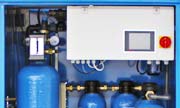
SCM 24
|
|
Cleans 24.000 liters per day
|
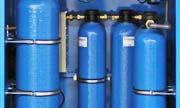
SCM 60
|
|
Cleans 60.000 liters per day
|
Video: How it works
The SCG Advantage
Our market-leading, water cleaning solutions have many advantages. To read more click the items below:
No Chemicals
Our machines and technology does not use any chemicals, at all.
Read more...
No Waste Water
Our machines do not waste any water. Yield = 100%.
Read more...
Low energy use
Uses 50 times less energy than a Reverse Osmosis Machine.
Read more...
Low ownership cost
Lower maintenance and operation costs due to our technology.
Read more...
Easy to install
Simple "plug and play" installation makes for easy deployment.
Read more...
Extremely compact
A compact system, contained in an easy to transport cabinet.
Read more...
Outperforms R.O.
SCG technologies outperform Reverse Osmosis systems.
Read more...
Faster ROI
Get a faster Return on Investment with our systems.
Read more...
Latest News
Latest Blog Posts
| Chemicals in water treatment? |
| Water storage - Whats best for keeping water clean and drinkable? |
| Case: Disaster Management Water Treatment |
Contact SCG
891 Showroom Place
Suite 101
Chula Vista, CA, 91914
Phone: +1 619-878-2730
Contact us by email