


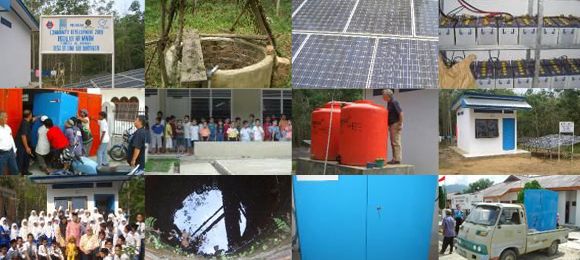







Upgrading A Municipal Plant To Eliminate Chemical Use
A municipal water plant rarely changes its treatment method on a single day. Existing infrastructure, regulatory obligations, operator routines, and the expectations of residents all shape the decision. For one mid-sized community, the goal was especially demanding: improve drinking-water quality while removing routine chemical dosing from the treatment process.
The municipality faced recurring concerns about manganese, microbial safety, and the long-term cost of handling treatment chemicals. Its plant was reliable in basic operation, yet it depended on dosing equipment, chemical deliveries, storage controls, and frequent maintenance. The upgrade therefore had to protect public health without creating a new operational burden.
This anonymized case study describes the path from assessment to commissioning. It focuses on the practical decisions that made a chemical-free water purification system suitable for municipal use, including source-water analysis, pilot testing, integration with existing equipment, and performance verification.
The Starting Point At The Municipal Plant
The plant treated groundwater from several wells serving homes, public buildings, and local businesses. Water quality was generally stable, but seasonal changes affected manganese levels and caused occasional discoloration complaints. Microbiological protection also required a dependable barrier, particularly after heavy rainfall increased the risk of contamination entering the supply system.
The existing process used chemical conditioning and disinfection. This approach achieved acceptable results, but it required regular deliveries, secure storage, dosing calibration, and management of residual products. Operators also had to plan around chemical shelf life and maintain pumps, injection points, and safety systems.
The municipality wanted to reduce these dependencies without replacing every part of the plant. The preferred solution would use the existing wells and distribution network, occupy a practical footprint, and allow the operators to maintain familiar monitoring routines. This made modular treatment equipment and a carefully staged installation more attractive than a complete rebuild.
Defining The Treatment Objectives
The first step was to establish a clear water-quality baseline. Samples were collected from each source and at different points in the treatment chain. Laboratory testing examined manganese, iron, turbidity, pH, microbial indicators, and other relevant contaminants. The team also reviewed flow rates, peak demand, pressure conditions, and the plant’s available floor space.
The assessment separated problems that required removal from those that required control. Manganese and iron affected appearance and customer confidence, while bacteria represented a direct public-health concern. The design therefore needed to combine physical contaminant removal with a reliable microbiological barrier rather than treating one issue in isolation.
Swiss Cleanwater Group’s approach is based on water treatment technologies that can address contaminants such as manganese, arsenic, bacteria, pesticides, and uranium without routine chemical consumption. The municipality reviewed the company’s broader water treatment solutions to compare system configuration, operating requirements, and suitability for the local water chemistry.
Testing The Chemical-Free Process
Before approving the full upgrade, the municipality arranged a pilot phase. A representative water stream passed through a compact treatment unit under controlled conditions. Operators measured inlet and outlet quality, pressure loss, flow stability, cleaning requirements, and the effect of changing source-water conditions.
The pilot was important because a technology that performs well in a laboratory may respond differently at a working municipal plant. Continuous operation revealed how the system behaved during demand peaks and whether the existing pumps could provide the required flow. It also gave staff time to learn sampling routines and recognize normal operating values.
Results showed that the selected process could reduce the targeted contaminants while supporting microbial control without chlorine or ultraviolet equipment. The final design was adjusted to include suitable monitoring points, bypass protection, and a maintenance sequence that could be performed by the existing operations team.
| Project Element | Existing Arrangement | Upgraded Arrangement |
|---|---|---|
| Main concern | Manganese, microbial risk, and chemical dependence | Consistent contaminant reduction and chemical-free operation |
| Treatment method | Chemical dosing and conventional control equipment | Chemical-free filtration and purification modules |
| Chemical logistics | Deliveries, storage, dosing calibration, and safety checks | No routine treatment-chemical deliveries |
| Operator duties | Frequent dosing and pump maintenance | Monitoring, inspection, cleaning, and scheduled servicing |
| Plant integration | Fixed process with limited flexibility | Modular equipment connected to existing water infrastructure |
| Commissioning approach | Standard operational handover | Pilot validation, staged installation, and performance testing |
Integrating The New Equipment
The installation plan kept as much of the original plant as possible. Existing intake lines, pumps, electrical connections, and distribution controls were assessed before the new equipment was positioned. This reduced construction time and limited disruption to the public supply.
The treatment modules were arranged so operators could isolate individual components during inspection without shutting down the entire facility. Automatic controls supported stable operation, while manual override functions allowed staff to respond to unusual conditions. Flow meters and sampling points were installed at the inlet and outlet to make performance visible.
A compact footprint was a major advantage. Municipal sites often have limited room because buildings were expanded in stages over many years. The equipment had to fit through existing access points and be installed around live infrastructure. Guidance on easy installation helped the project team evaluate access, connection requirements, and the practical sequence for bringing the new system online.
Managing Microbial Safety Without Routine Chemicals
Eliminating chemical dosing required careful attention to microbial protection. The municipality did not view “chemical-free” as a reason to reduce testing or oversight. Instead, it required a treatment barrier that could be monitored and verified under normal and abnormal conditions.
The project team established sampling locations before commissioning. Water was checked after purification and before entering the distribution network. Operators tracked microbial indicators alongside pressure, flow, turbidity, and other process measurements. Alarm limits were defined so that an unusual result could trigger investigation and, where necessary, a temporary operational response.
The selected approach avoided routine chlorine and ultraviolet use in the upgraded process. Information about chemical-free disinfection supported the municipality’s review of alternative microbial-control methods and helped explain the process to technical stakeholders.
Commissioning And Operator Training
Commissioning took place in stages rather than immediately switching the whole plant to the new process. The equipment was first checked mechanically and electrically, then operated with controlled flow. Water-quality results were compared with the pilot data and the agreed project targets.
During this period, operators learned how to read the control panel, inspect filtration components, check pressure differences, and carry out routine cleaning. Training also covered sample collection, record keeping, alarm responses, and procedures for taking a module offline. This knowledge transfer was essential because a low-chemical process still depends on disciplined operation.
After the initial run, the municipality completed a monitored proving period. The plant supplied treated water while staff reviewed performance at different demand levels. The results supported full adoption of the upgraded process and gave the community a documented basis for future maintenance and regulatory reporting.
Results For The Municipality
The most visible result was the end of routine chemical handling at the plant. Staff no longer needed to schedule chemical deliveries or manage storage areas for regular dosing. This simplified site safety procedures and reduced exposure to price changes, transport delays, and supply interruptions.
Water quality also became more consistent at the customer tap. The treatment process reduced manganese-related discoloration and provided a dependable barrier against the microbial concerns identified during the assessment. Because the upgrade retained much of the existing infrastructure, the municipality achieved these improvements without building an entirely new waterworks facility.
Energy and waste performance were considered alongside water quality. The system was selected because it could operate without excessive energy use and without creating a continuous stream of chemical waste. Its environmental value therefore came from the combined effect of lower chemical dependence, simpler logistics, and efficient use of the existing plant.
Priorities For A Successful Upgrade
A chemical-free municipal project is most effective when technical performance and daily operations are considered together. The following priorities helped this municipality move from a general sustainability objective to a workable treatment program:
- Test every source under representative seasonal and flow conditions.
- Define contaminant-removal and microbial-safety targets before selecting equipment.
- Use pilot data to confirm flow, pressure, maintenance, and water-quality performance.
- Involve operators in layout decisions, alarm design, sampling, and commissioning.
- Retain suitable existing infrastructure to control construction time and capital cost.
The municipality also maintained a documented monitoring program after handover. This ensured that the benefits of the upgrade could be measured rather than assumed. Periodic laboratory analysis, equipment inspections, and performance reviews provided a continuing check that the plant remained within its operating targets.
For other communities, the main lesson is that removing chemicals is a process-design decision, not simply an equipment purchase. The strongest projects begin with water analysis, validate the treatment method in real conditions, and prepare operators for the new routine before the plant is placed into full service.
Municipalities considering a similar transition can begin by reviewing their source-water data, current chemical costs, infrastructure limitations, and treatment objectives. Contact Swiss Cleanwater Group to discuss a site assessment and a practical pathway toward reliable drinking-water production with less chemical dependence.
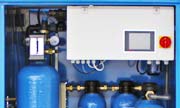
SCM 24
|
|
Cleans 24.000 liters per day
|
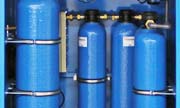
SCM 60
|
|
Cleans 60.000 liters per day
|
Video: How it works
The SCG Advantage
Our market-leading, water cleaning solutions have many advantages. To read more click the items below:
No Chemicals
Our machines and technology does not use any chemicals, at all.
Read more...
No Waste Water
Our machines do not waste any water. Yield = 100%.
Read more...
Low energy use
Uses 50 times less energy than a Reverse Osmosis Machine.
Read more...
Low ownership cost
Lower maintenance and operation costs due to our technology.
Read more...
Easy to install
Simple "plug and play" installation makes for easy deployment.
Read more...
Extremely compact
A compact system, contained in an easy to transport cabinet.
Read more...
Outperforms R.O.
SCG technologies outperform Reverse Osmosis systems.
Read more...
Faster ROI
Get a faster Return on Investment with our systems.
Read more...
Latest News
Latest Blog Posts
| Chemicals in water treatment? |
| Water storage - Whats best for keeping water clean and drinkable? |
| Case: Disaster Management Water Treatment |
Contact SCG
891 Showroom Place
Suite 101
Chula Vista, CA, 91914
Phone: +1 619-878-2730
Contact us by email