






How to Remove Bacteria From Well Water Without Electricity
Private wells can provide a reliable water supply, but they are vulnerable to bacterial contamination from surface runoff, failing septic systems, animal activity, flooding, and damaged well casings. Clear water is not necessarily safe water: many harmful microorganisms are invisible, odorless, and tasteless.
Removing bacteria from well water without electricity is possible when the treatment method matches the contamination risk and the required flow rate. Gravity-fed filtration, ceramic or membrane barriers, and properly managed biological filtration can all reduce or eliminate microorganisms without pumps, ultraviolet lamps, or continuous power.
The correct approach begins with laboratory testing. A sanitary inspection and water analysis reveal whether the main concern is coliform bacteria, E. coli, turbidity, iron, manganese, arsenic, or a combination of contaminants. Treatment should then be designed around the source water rather than selected from a generic list of household filters.
Where Bacteria Enter A Private Well
Bacteria commonly enter wells through cracked caps, loose fittings, damaged casings, or openings around electrical and plumbing connections. Shallow wells are especially exposed because they draw from groundwater that can be influenced by rain, agricultural activity, and nearby drainage.
A well may also become contaminated after flooding, construction, heavy rainfall, or a change in the groundwater table. Livestock areas require particular attention because manure can introduce fecal bacteria and other pathogens into soil and groundwater. A safe water system therefore includes source protection as well as point-of-use or point-of-entry treatment.
Testing should include total coliforms and E. coli, with additional analysis based on local conditions. If bacteria are detected repeatedly, the well itself should be inspected and repaired. Filtration can provide an important barrier, but it should not be used to disguise a continuing pathway for contamination.
Gravity-Fed Filtration Methods
Gravity is enough to move water through several types of filtration equipment. A raised storage tank, spring box, or manually filled container can provide the pressure needed for treatment. This arrangement is useful in remote buildings, emergency shelters, farms, cabins, and mobile installations where grid power is unavailable or unreliable.
Ceramic filters can physically retain many bacteria because their pores are smaller than the microorganisms being removed. Some units use a cleanable ceramic element, allowing the surface to be brushed or scraped when flow decreases. The filter must remain intact, and users must follow the manufacturer’s replacement and cleaning instructions.
Ultrafiltration membranes can provide a stronger physical barrier, depending on their pore size and construction. Gravity-fed membrane systems may need more pressure than a basic ceramic candle, so the elevation difference and required flow must be calculated. A filter advertised for sediment reduction is not automatically suitable for microbiological treatment; the product documentation should specifically identify bacterial reduction or removal performance.
Comparing No-Power Treatment Options
Several technologies can operate without a permanent electrical supply, but they do not perform identically. The right choice depends on the organism, water pressure, turbidity, required volume, and the consequences of a treatment failure.
| Treatment method | Electricity required | Bacteria control | Main considerations |
|---|---|---|---|
| Ceramic filtration | No | Good when certified and undamaged | Low flow; needs regular cleaning |
| Gravity-fed ultrafiltration | No, in suitable designs | Very good physical barrier | Requires adequate head pressure and careful maintenance |
| Slow sand filtration | No | Good with established biological activity | Needs space, stable operation, and protection from clogging |
| Chlorination | Usually no continuous power | Very good when correctly dosed | Adds a chemical and requires contact time and monitoring |
| Ultraviolet treatment | Yes | Very good with clear water | Needs electricity, lamp maintenance, and adequate flow control |
| Boiling | No continuous power, but requires fuel | Very good for treated batches | Labor-intensive and unsuitable for large continuous supplies |
Slow sand filtration uses a biological layer near the surface of the sand bed, supported by physical straining and settling. It can be effective for community or agricultural applications, but it must be designed with the correct loading rate. If the surface is disturbed or the filter dries out, performance may decline.
Chlorination is another low-infrastructure option because it can work through gravity and a measured dosing process. It is not chemical-free, however, and incorrect dosage can leave unsafe water or an unpleasant taste. For users specifically seeking treatment without added chemicals, a certified physical barrier is generally the more appropriate direction.
Designing A Gravity Water System
A no-power installation normally begins with a protected source, followed by a storage vessel and one or more treatment stages. A coarse prefilter can remove leaves, sand, and larger particles before water reaches a ceramic or membrane element. This protects the final barrier and helps maintain flow.
The height of the source tank determines available pressure. A higher tank generally improves flow, while long, narrow pipes and clogged prefilters reduce it. Designers should account for peak demand rather than average consumption alone. Drinking, cooking, washing, animal watering, and process uses may require very different capacities.
Storage tanks must be covered, food-safe, and protected from insects, dust, sunlight, and accidental contact. Untreated and treated water should never share the same pipes or containers. Backflow prevention is also important, especially where a treated line connects to irrigation, livestock watering, or industrial equipment.
For farms, the water demand can be substantial and contamination risks may extend beyond household use. Guidance on clean water for livestock can help frame the separate requirements for drinking water supplied to cattle, poultry, horses, and other animals.
Protecting Filters From Failure
A filter that is capable of removing bacteria can still fail if it is overloaded, cracked, incorrectly installed, or used beyond its rated capacity. Ceramic elements should be checked for hairline damage, especially after freezing, impact, or aggressive cleaning. Membranes need inspection for leaks, pressure changes, and unexpected increases in treated-water flow.
A sudden increase in flow is not always a positive sign. In some systems, it may indicate a damaged barrier. Conversely, a sharp reduction in flow can point to sediment loading, biofouling, or insufficient pressure. A simple flow check, pressure observation, and scheduled inspection can identify problems before they affect the whole supply.
Cleaning procedures must protect the treated side of the system from recontamination. Hands, brushes, containers, and replacement parts should be clean. Do not return a filter to service until it has been installed according to the manufacturer’s instructions and any required disinfection or flushing step has been completed.
Testing Water After Treatment
Laboratory testing is the only dependable way to verify bacterial safety. Test the raw well water and the water at the point of use, because contamination can occur inside storage tanks, pipes, taps, or hoses after treatment. Samples should be collected in sterile containers supplied or approved by the laboratory.
Routine testing is especially important after flooding, maintenance, long periods without use, or changes in taste, odor, turbidity, or flow. A system serving a farm, rental property, food operation, or public facility may require a documented testing schedule and compliance with local regulations.
If E. coli or other indicator bacteria are found after treatment, stop using the water for drinking and food preparation until the cause is identified. Inspect the source, isolate the treated line, and have the system evaluated by a qualified water-treatment professional. Physical filtration can be highly effective, but it depends on correct sizing and an intact treatment barrier.
Practical Steps For A No-Power Installation
A reliable setup combines source protection, suitable treatment, and regular verification. These recommendations help reduce common design and operating errors:
- Test for total coliforms, E. coli, turbidity, and relevant chemical contaminants before choosing equipment.
- Repair damaged well caps, casings, seals, drainage, and nearby septic or manure-management problems.
- Use a certified ceramic or membrane filter specifically rated for bacterial reduction, not merely sediment removal.
- Install prefiltration, covered storage, and separate plumbing for untreated and treated water.
- Record cleaning, replacement, flow checks, and laboratory results in a maintenance log.
Water used in dairies and livestock buildings may also need treatment for minerals, biofilm-forming organisms, and suspended solids. A resource about treating dairy-farm water illustrates why the treatment design should reflect the farm’s source, volume, and hygiene requirements rather than relying on a household filter alone.
A well-designed gravity system can supply microbiologically safer water without a pump or electrical control panel, but it should be treated as an engineered installation. Source conditions, pressure, temperature, seasonal changes, and usage patterns all influence performance.
For dependable protection, start with a water analysis and a review of the well and distribution system. Swiss Cleanwater Group can help evaluate suitable purification technologies for homes, farms, municipalities, buildings, and off-grid applications, then develop a system that reduces bacterial risk while fitting the available infrastructure.
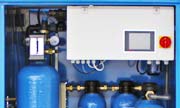
SCM 24
|
|
Cleans 24.000 liters per day
|
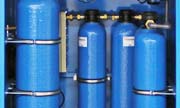
SCM 60
|
|
Cleans 60.000 liters per day
|
Video: How it works
The SCG Advantage
Our market-leading, water cleaning solutions have many advantages. To read more click the items below:
No Chemicals
Our machines and technology does not use any chemicals, at all.
Read more...
No Waste Water
Our machines do not waste any water. Yield = 100%.
Read more...
Low energy use
Uses 50 times less energy than a Reverse Osmosis Machine.
Read more...
Low ownership cost
Lower maintenance and operation costs due to our technology.
Read more...
Easy to install
Simple "plug and play" installation makes for easy deployment.
Read more...
Extremely compact
A compact system, contained in an easy to transport cabinet.
Read more...
Outperforms R.O.
SCG technologies outperform Reverse Osmosis systems.
Read more...
Faster ROI
Get a faster Return on Investment with our systems.
Read more...
Latest News
Latest Blog Posts
| Chemicals in water treatment? |
| Water storage - Whats best for keeping water clean and drinkable? |
| Case: Disaster Management Water Treatment |
Contact SCG
891 Showroom Place
Suite 101
Chula Vista, CA, 91914
Phone: +1 619-878-2730
Contact us by email