









Chemical-Free Water Treatment for Dairy Farms
Water quality affects every part of a dairy operation. Cows need reliable drinking water, workers need safe water for cleaning and hygiene, and milking systems require water that will not introduce contaminants into equipment or finished milk. Poor-quality water can reduce intake, create unpleasant odors, damage infrastructure, and increase the microbial burden around the farm.
Treating farm water without adding chemicals is possible when the system is designed around the source, the contaminants, and the required flow rate. Physical filtration, catalytic media, aeration, ultraviolet disinfection, and membrane technology can address many common problems while limiting chemical handling and reducing unnecessary waste.
The right approach begins with testing rather than choosing equipment from a contaminant list. A borehole, spring, well, or municipal connection may contain different combinations of iron, manganese, arsenic, uranium, pesticides, bacteria, sediment, hardness, or hydrogen sulfide. Each result influences the treatment sequence and maintenance plan.
Start With Water Testing And Farm Requirements
A laboratory analysis should cover microbiological safety and the chemical characteristics of the supply. Useful parameters include pH, turbidity, conductivity, hardness, iron, manganese, nitrate, arsenic, uranium, pesticides, sulfates, and hydrogen sulfide where odor or corrosion is present. Testing should be repeated when the source is seasonal or vulnerable to flooding.
The farm’s water demand is equally important. A dairy may need water for livestock drinking, parlour cleaning, cooling systems, washdown, household use, and processing areas. Peak demand can occur when animals drink heavily or when several cleaning points operate at once. A treatment unit sized only for average consumption may cause pressure loss or untreated bypasses during busy periods.
Water intended for animal consumption and water used in milk-contact cleaning should receive particular attention. Local regulations and veterinary guidance determine the required quality. A chemical-free treatment system still needs validation through follow-up sampling, especially after installation, maintenance, or a change in the water source.
Remove Sediment Before Fine Treatment
Sand, clay, rust particles, and organic debris can enter a farm supply through a shallow well, spring, or aging pipework. Sediment makes water cloudy and can block valves, foul ultraviolet lamps, wear pumps, and shorten the life of membranes. A sediment filter or graded media filter is therefore often the first physical barrier.
The filter should match the particle size and flow conditions. A washable pre-filter can capture larger particles, while a pressure vessel containing graded media can handle a higher solids load. Automatic backwashing may reduce manual labor, but the backwash discharge still needs a suitable drainage or collection route.
Good pretreatment protects the rest of the system. If manganese or iron is present, these metals may need to be oxidized and captured before fine filtration. Aeration can expose water to oxygen without dosing an oxidizing chemical, allowing dissolved metals and some odor-forming compounds to become filterable particles.
Treat Iron, Manganese, And Sulfur Without Dosing
Iron and manganese can stain fixtures, discolor water, create metallic tastes, and support deposits in pipes. Depending on concentration and pH, air oxidation followed by catalytic filtration can convert dissolved forms into solids that are retained by a filter bed. The media must be selected for the actual water chemistry and operated at an appropriate contact time.
Hydrogen sulfide is associated with a rotten-egg odor and may accelerate corrosion. Aeration, degassing, and catalytic filtration can reduce the problem without adding chlorine or other treatment chemicals. The science of catalytic filtration explains why specially selected media can help transform and retain troublesome compounds.
Backwashing is central to this type of treatment. Captured iron, manganese, and sulfur compounds must be flushed from the filter at a controlled interval. A farm should have a plan for managing this water and should monitor pressure, odor, treated-water quality, and media performance rather than waiting for visible failure.
Protect Drinking Water From Microbial Contamination
Bacteria can enter a private water source through surface runoff, damaged wellheads, poor seals, livestock access, or flooding. Filtration may remove some organisms, but a fine particle filter is not automatically a reliable disinfection barrier. Microbial control should use a treatment step specifically designed for the organisms and flow rate involved.
Ultraviolet treatment can inactivate many bacteria, viruses, and other microorganisms without leaving a chemical residual in the water. It works best when the water is clear enough for the UV dose to reach the organisms. Sediment, iron, manganese, and excessive color can shield microbes, so pretreatment and regular lamp maintenance are essential.
An ultraviolet unit should include a flow control or dose-monitoring feature where appropriate. The lamp sleeve must remain clean, and the lamp should be replaced according to operating hours rather than appearance. Storage tanks and downstream pipework also require hygienic design because treated water can be recontaminated after disinfection.
Choose The Treatment Train For The Contaminant
No single filter removes every contaminant. A chemical-free water purification system is usually a sequence of barriers arranged to protect one another. For example, a farm may use a coarse screen, sediment filtration, aeration, catalytic media, activated carbon, and UV disinfection. A different source may require reverse osmosis or another membrane process for dissolved salts, arsenic, nitrate, or uranium.
| Water problem | Suitable chemical-free approach | Important operating consideration |
|---|---|---|
| Sand, silt, and turbidity | Screen, cartridge, or media filtration | Replace or backwash before pressure becomes excessive |
| Iron and manganese | Aeration followed by catalytic filtration | pH, contact time, and media selection affect removal |
| Hydrogen sulfide odor | Aeration, degassing, and catalytic filtration | Provide ventilation and manage backwash water |
| Bacteria and viruses | Ultraviolet disinfection, with suitable pretreatment | Maintain clarity, lamp intensity, and hygienic storage |
| Pesticides or organic compounds | Activated carbon or an appropriate membrane | Monitor breakthrough and replace media on schedule |
| Arsenic or uranium | Specialized adsorption media or membrane treatment | Confirm performance with laboratory testing |
| Dissolved salts and high conductivity | Reverse osmosis or a comparable membrane | Plan for concentrate management and energy use |
A membrane system can be highly effective for dissolved contaminants, but it creates a concentrated reject stream and may require more pressure and maintenance than a media filter. Activated carbon can improve taste and reduce some organic compounds, yet it must be monitored because exhausted media may stop removing contaminants without an obvious change in appearance.
Design For Livestock, Cleaning, And Peak Demand
Cattle consume substantial volumes of water, and intake can rise during warm weather, lactation, or periods of high feed consumption. Troughs should be positioned and cleaned so that mud, feed, manure, and algae do not compromise the treated supply. Even high-quality source water can become unsafe inside dirty troughs or poorly maintained storage tanks.
The treatment system should provide adequate flow at the point of use. A buffer tank may help separate treatment demand from short periods of high consumption, while variable-speed pumping can reduce pressure fluctuations. Critical outlets can be supplied through a dedicated treated-water line, with non-potable uses separated where regulations and farm procedures permit.
Cleaning water deserves its own assessment. Water used for milking equipment and surfaces that contact milk must be compatible with the cleaning process and meet applicable hygiene standards. Hardness, iron, and manganese can reduce cleaning effectiveness or leave deposits, so a farm may need softening or membrane treatment in addition to contaminant removal for drinking water.
Maintain Performance With Simple Monitoring
Chemical-free does not mean maintenance-free. Filters need backwashing or replacement, UV lamps need servicing, pumps require inspection, and storage tanks need hygienic cleaning. A written schedule prevents small performance losses from becoming a livestock health or milk-quality problem.
Useful routine checks include pressure before and after filters, flow rate, turbidity, odor, UV alarm status, and the condition of tank interiors. Laboratory sampling should verify microbial and chemical performance at intervals suited to the source risk. Any sudden change in taste, smell, color, pressure, or animal water consumption deserves investigation.
A professionally configured system can make these tasks more predictable. Farms comparing equipment and applications can review clean water for farming solutions designed for agricultural water demands, including systems intended to reduce contaminants without routine chemical dosing.
Build A Practical Farm Water Plan
A reliable installation combines sound engineering with daily operating habits. Before purchasing equipment, document the source, peak flow, treatment goals, available drainage, electrical supply, storage arrangements, and the people responsible for inspections.
- Test the raw water during representative operating conditions and after seasonal changes.
- Separate treatment goals for livestock drinking, household use, and milk-contact cleaning.
- Use sediment and oxidation control to protect UV units, carbon beds, and membranes.
- Install monitoring points before and after major treatment stages.
- Keep service records for filters, lamps, pumps, media, tanks, and laboratory samples.
The most sustainable system is the one that removes the required contaminants with the fewest appropriate treatment stages. Correct sizing reduces pressure loss and energy use, while durable media and automated backwashing can limit labor. A site assessment is valuable when the farm has multiple water sources, changing quality, or strict hygiene requirements.
Start by arranging a complete water analysis and mapping the farm’s peak water demand. With those details, Swiss Cleanwater Group can help identify a treatment sequence for safe livestock water, dependable cleaning supply, and efficient operation without routine chemical addition.
SCM 24

|
|
Cleans 24.000 liters per day
|
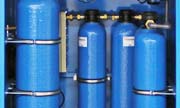
SCM 60
|
|
Cleans 60.000 liters per day
|
Video: How it works

The SCG Advantage
Our market-leading, water cleaning solutions have many advantages. To read more click the items below:
No Chemicals
Our machines and technology does not use any chemicals, at all.
Read more...
No Waste Water
Our machines do not waste any water. Yield = 100%.
Read more...
Low energy use
Uses 50 times less energy than a Reverse Osmosis Machine.
Read more...
Low ownership cost
Lower maintenance and operation costs due to our technology.
Read more...
Easy to install
Simple "plug and play" installation makes for easy deployment.
Read more...
Extremely compact
A compact system, contained in an easy to transport cabinet.
Read more...
Outperforms R.O.
SCG technologies outperform Reverse Osmosis systems.
Read more...
Faster ROI
Get a faster Return on Investment with our systems.
Read more...
Latest News
Latest Blog Posts
| Chemicals in water treatment? |
| Water storage - Whats best for keeping water clean and drinkable? |
| Case: Disaster Management Water Treatment |
Contact SCG
891 Showroom Place
Suite 101
Chula Vista, CA, 91914
Phone: +1 619-878-2730
Contact us by email