


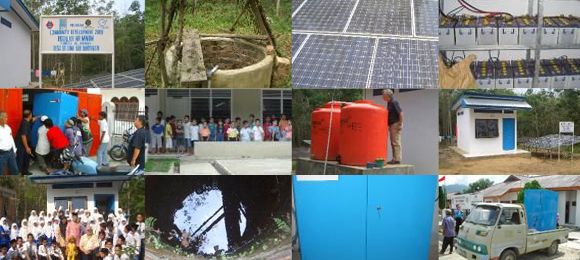







Removing Manganese From Water For Coffee Roasting And Brewing
Water is a raw material in every coffee operation. It extracts flavor from roasted grounds, supports cleaning and sanitation, feeds steam systems, and may be used in green coffee processing or cooling equipment. When that water contains excessive manganese, it can create operational problems long before the issue becomes obvious in the finished cup.
Manganese is a naturally occurring mineral found in groundwater and some surface-water sources. At elevated levels, it may cause dark deposits, staining, metallic notes, unpleasant odors, and cloudy water. In a coffee roastery or café, these effects can influence brewing consistency and increase maintenance across pipes, boilers, tanks, filters, and dispensing equipment.
A reliable manganese removal strategy begins with laboratory testing and a clear understanding of the water’s chemistry. Treatment should address manganese in a way that protects flavor, limits waste, and fits the site’s flow rate, pressure, energy supply, and cleaning routines.
Why Manganese Matters In Coffee Operations
Manganese can enter water when it dissolves from mineral-rich rock and soil, particularly in wells with low oxygen conditions. It may also be associated with industrial activity, agricultural runoff, or aging infrastructure. The concentration can change seasonally, so a single test may not represent the full operating range.
For brewing, even moderate mineral imbalance can alter extraction. Manganese itself may contribute earthy, metallic, or bitter impressions, while the associated iron, hardness, alkalinity, and pH affect how coffee acids and aromatic compounds dissolve. Water that looks acceptable in a glass can still produce inconsistent espresso, filter coffee, or cupping results.
The operational impact is equally important. Oxidized manganese can form dark particles and coatings inside treatment equipment and distribution lines. Deposits may clog small valves, foul spray heads, reduce boiler efficiency, and leave marks on stainless steel, ceramics, and other surfaces. A roastery with high daily throughput cannot treat these issues as occasional aesthetic concerns.
Finding The Source And Measuring The Risk
Testing should cover manganese concentration, iron, pH, alkalinity, hardness, turbidity, dissolved oxygen, conductivity, and microbiological quality. If the source is a private well or an intermittent supply, samples should be taken under representative conditions and repeated when the water changes after rainfall, pumping, or seasonal shifts.
The treatment target depends on the application. Brewing water may require a tighter sensory and chemical profile than wash water, while boiler feed water may have separate limits for hardness, silica, alkalinity, and corrosion control. A single system can sometimes serve several uses, but only after the different quality requirements have been mapped.
It is also useful to inspect where manganese appears first. Brown or black sediment in a storage tank suggests oxidation and settling, while discoloration at individual outlets may indicate local pipe deposits. Sudden pressure loss can point to an overloaded cartridge or media bed. These observations help distinguish a source-water problem from a distribution or maintenance problem.
Treatment Options For Manganese Removal
Manganese treatment usually relies on converting dissolved manganese into a solid form that can be captured. Oxidation may be achieved through contact with air, catalytic filter media, or another approved process, followed by filtration. The correct approach depends on pH, manganese loading, iron content, organic matter, and the required flow.
Catalytic media can provide effective removal when the water chemistry is suitable. Some systems need periodic backwashing to release trapped solids, so the site must have sufficient drain capacity and a plan for managing the backwash stream. In other conditions, biological filtration can support manganese reduction with low chemical demand, but it requires careful start-up and stable operating conditions.
Reverse osmosis can reduce manganese along with many dissolved contaminants, although it produces a concentrate stream and normally needs pretreatment. Ion exchange may be useful in selected applications but can be affected by competing minerals and may require regeneration. Cartridge filters alone are generally poor at removing dissolved manganese because they capture particles rather than converting the dissolved form first.
Chemical-free treatment can be attractive for coffee facilities that want to reduce handling, storage, and residuals. However, “chemical-free” does not mean maintenance-free. Media still needs monitoring, filters require servicing, and the system must be sized for actual manganese loads rather than an average estimate.
Comparing Approaches For A Coffee Site
The best option balances removal performance with sensory protection, water recovery, maintenance, and the operating pattern of the roastery. A small café with a stable municipal supply may need point-of-use polishing, while a rural production site may require whole-building treatment and separate protection for steam and brewing equipment.
| Treatment approach | Main strength | Key limitation | Suitable coffee applications |
|---|---|---|---|
| Oxidation and media filtration | Effective for dissolved manganese after conversion | Requires correct pH, contact time, and backwashing | Whole-site treatment, brewing supply, process water |
| Catalytic filtration | Can provide chemical-light or chemical-free operation | Media selection depends on water chemistry | Roasteries seeking lower consumable use |
| Biological filtration | Low chemical demand and efficient continuous operation | Needs stable conditions and controlled commissioning | Larger facilities with consistent flow |
| Reverse osmosis | Broad dissolved-contaminant reduction | Concentrate water and higher energy or pretreatment needs | Final polishing, specialty brewing, sensitive equipment |
| Cartridge filtration | Simple particle protection | Does not reliably remove dissolved manganese | Final-stage protection after oxidation and filtration |
A hybrid design is often more practical than relying on one treatment stage. For example, an upstream manganese filter can protect a polishing unit, while a dedicated point-of-use system can produce carefully balanced brewing water. Blending treated water with a controlled mineral stream may also help achieve a preferred flavor profile without exposing the entire building to unnecessarily low mineral content.
Practical Design Priorities
A water treatment system for coffee should be designed around the full production schedule, not just the flow from one espresso machine. Peak demand may occur when brewing, cleaning, staff facilities, steam generation, and production equipment operate simultaneously. Pressure drop, storage capacity, and recovery time should be reviewed before equipment is selected.
Useful design priorities include:
- Test raw and treated water at the same laboratory or under comparable methods.
- Separate brewing specifications from boiler, cleaning, and general-purpose water needs.
- Size filtration for peak flow, manganese loading, and realistic backwash intervals.
- Include sampling points before and after each major treatment stage.
- Track taste, color, pressure, filter condition, and equipment deposits over time.
Water reuse and discharge should also be considered. A treatment process that removes manganese but creates a difficult waste stream may be unsuitable for a site with limited drainage or strict environmental requirements. Technologies that reduce chemical use, reject water, and unnecessary energy consumption can support both operating efficiency and sustainability goals.
Experience with complex source water is valuable when contaminants overlap. For example, the documented approach in this farm runoff case study demonstrates why treatment must be matched to the actual contaminant profile rather than selected from a generic list. A coffee operation may face manganese alongside iron, pesticides, bacteria, uranium, or organic compounds, and each combination changes the treatment design.
Protecting Flavor And Equipment After Installation
Removing manganese is only part of the process. Brewing water should be tested after treatment and compared with the coffee company’s target range for total dissolved solids, hardness, alkalinity, pH, and sensory performance. Excessive purification can produce flat or aggressive extraction if the water lacks the mineral balance needed for the brewing method.
Routine monitoring should include pressure gauges, flow rates, filter condition, treated-water manganese, and visible deposits. A rising pressure difference across the media bed may indicate solids accumulation or inadequate backwashing. A return of metallic taste or dark particles can signal exhausted media, a change in source water, or a bypass valve that is not fully closed.
Equipment protection also depends on correct distribution. Treated water can be recontaminated or chemically altered by poorly maintained storage tanks, old pipework, or dead legs. Food-grade materials, hygienic tank design, regular sanitation, and short distribution paths help preserve the quality achieved at the treatment plant.
Building A Reliable Water Treatment Program
A successful manganese removal project connects laboratory data with the daily realities of coffee production. The system should deliver stable water during peak demand, protect espresso and steam equipment, support cleaning operations, and maintain a flavor profile that baristas and roasters can reproduce.
For a site assessing groundwater or variable-quality supply, water treatment specialists can help evaluate contaminants, treatment stages, and site requirements. A technical review should include raw-water analysis, intended uses, flow and pressure data, wastewater constraints, available space, and the preferred level of automation.
Arrange a source-water assessment before purchasing equipment, then validate the treated water under real brewing and production conditions. With the right manganese removal process and a clear monitoring plan, coffee businesses can protect their equipment, reduce avoidable maintenance, and give every batch a cleaner foundation.
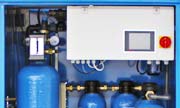
SCM 24
|
|
Cleans 24.000 liters per day
|
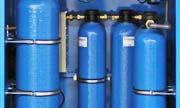
SCM 60
|
|
Cleans 60.000 liters per day
|
Video: How it works
The SCG Advantage
Our market-leading, water cleaning solutions have many advantages. To read more click the items below:
No Chemicals
Our machines and technology does not use any chemicals, at all.
Read more...
No Waste Water
Our machines do not waste any water. Yield = 100%.
Read more...
Low energy use
Uses 50 times less energy than a Reverse Osmosis Machine.
Read more...
Low ownership cost
Lower maintenance and operation costs due to our technology.
Read more...
Easy to install
Simple "plug and play" installation makes for easy deployment.
Read more...
Extremely compact
A compact system, contained in an easy to transport cabinet.
Read more...
Outperforms R.O.
SCG technologies outperform Reverse Osmosis systems.
Read more...
Faster ROI
Get a faster Return on Investment with our systems.
Read more...
Latest News
Latest Blog Posts
| Chemicals in water treatment? |
| Water storage - Whats best for keeping water clean and drinkable? |
| Case: Disaster Management Water Treatment |
Contact SCG
891 Showroom Place
Suite 101
Chula Vista, CA, 91914
Phone: +1 619-878-2730
Contact us by email