









Case Study: Treating Pesticide-Laden Runoff From an Organic Farm
Organic farming reduces reliance on synthetic agricultural chemicals, but it does not eliminate the need for crop protection. Approved pesticides, soil amendments, disinfectants, and naturally occurring contaminants can still enter drainage channels after rainfall or irrigation. When this runoff reaches a storage pond, stream, or groundwater recharge area, it may affect livestock, ecosystems, and downstream drinking-water supplies.
This case study presents a practical treatment model for a mixed organic farm with pesticide residues in surface runoff. The aim was to produce reusable process water and protect a nearby watercourse without adding treatment chemicals, creating a concentrated waste stream, or installing an energy-intensive plant.
The approach reflects the principles behind sustainable water purification: identify the contaminants, separate solids early, select a treatment barrier suited to the water chemistry, and verify performance through regular laboratory testing. It also demonstrates why a farm’s water strategy should consider the entire site rather than a single outlet.
Farm Setting And Water Quality Risks
The farm covered approximately 85 hectares and combined vegetables, orchards, greenhouse production, and a small livestock operation. Rainwater drained from cultivated fields toward a lined holding basin before being reused for irrigation. During heavy storms, the basin approached its overflow level, creating a risk that contaminated water would pass into a seasonal stream.
The farm used approved biological and mineral-based crop-protection products, including copper compounds, plant extracts, and selective treatments for fungal and insect pressure. Testing found traces of several pesticide compounds, suspended soil, organic matter, and fluctuating levels of manganese. The measured concentrations varied sharply after rainfall because the first flush carried the greatest contaminant load.
The water was not treated as drinking water at the start of the project. Its initial purpose was irrigation and equipment washing, but the farm wanted a higher-quality supply for greenhouse use and livestock-related cleaning. This created a need for reliable contaminant reduction without compromising soil health or generating a disposal problem.
Designing A Treatment Train Without Chemicals
The first design decision was to avoid sending raw runoff directly into a fine purification unit. Leaves, silt, algae, and soil particles can block membranes or reduce the operating life of downstream components. The farm therefore added a staged intake system with a coarse screen, a settling chamber, and a protected equalization tank.
The settling stage reduced peak solids and made the feed water more consistent. Floating material was removed mechanically, while settled sediment was collected for controlled handling according to the farm’s waste-management procedures. Equalization was especially important because the water’s pesticide concentration was highest immediately after storms and lowest during dry periods.
The polishing stage used a physical separation process selected after pilot testing. Depending on the compound profile, this can involve membrane filtration, adsorption, or a combined barrier system. The selected unit reduced dissolved pesticide residues and fine particles without dosing coagulants or disinfectants into the process stream. It was also designed for automated flushing, helping reduce maintenance and avoid frequent replacement of consumable media.
The project team treated energy demand as a design constraint. Low-pressure transfer pumps, gravity-fed sections, and programmed operation allowed the system to process water when storage levels and electricity availability were favorable. This approach aligns with the company’s broader sustainable water vision, which emphasizes practical treatment systems with reduced environmental impact.
Pilot Results And Performance Verification
A six-week pilot compared untreated basin water with water after sediment removal and final purification. Samples were collected after dry-weather operation, moderate rainfall, and a major storm. The testing program covered pesticide residues identified during the baseline survey, turbidity, conductivity, pH, manganese, microbiological indicators, and selected organic compounds.
The strongest performance occurred after the equalization tank had absorbed the first flush. Turbidity fell substantially after pretreatment, while the final barrier delivered a stable reduction in the dissolved contaminants targeted by the pilot. Manganese also decreased to a level suitable for the intended non-potable applications. Microbiological results improved, but the farm retained a separate disinfection step for any water used in sensitive cleaning tasks.
| Water-Quality Parameter | Raw Runoff Pattern | Treatment Response | Operational Significance |
|---|---|---|---|
| Turbidity | High after storms | Reduced by screening and settling | Protects downstream equipment |
| Pesticide residues | Variable, highest during first flush | Reduced by the polishing barrier | Supports safer reuse |
| Manganese | Intermittent elevation | Lowered during final treatment | Limits staining and deposits |
| Organic matter | Moderate to high | Reduced through staged treatment | Improves process stability |
| Bacteria | Variable by season | Reduced, with additional control available | Requires continued monitoring |
| Flow rate | Rapid peaks after rainfall | Balanced in equalization storage | Prevents treatment overload |
The results were evaluated against the farm’s intended uses rather than a generic water-quality claim. Water for irrigation, greenhouse applications, livestock cleaning, and discharge protection may require different targets. The operating team therefore defined separate release criteria and kept potable use outside the project scope unless a future system validation proves compliance with applicable regulations.
Managing Runoff Before It Reaches The Plant
Treatment equipment cannot replace good land and drainage management. The farm reshaped several shallow swales to slow water movement, planted vegetated buffer strips beside the stream, and improved the timing of approved crop-protection applications. These measures reduced the volume and contaminant concentration reaching the holding basin.
A covered section was added to the storage area to limit algae growth and prevent additional debris from entering the water. The farm also separated clean roof runoff from field drainage wherever possible. Keeping relatively clean water out of the treatment train reduced hydraulic loading and allowed the purification unit to focus on the more contaminated fraction.
This source-control approach lowered operating stress and improved maintenance intervals. It also gave the farm a clearer record of where pollutants entered the water cycle. For agricultural operators dealing with mixed contaminants, that information is often as valuable as the treatment equipment itself.
The case also highlights a broader point about emerging water concerns. Runoff can carry very fine particles and plastic fragments from irrigation components, greenhouse materials, or degraded coverings. Guidance on microplastic removal can help inform decisions when a farm’s water-reuse goals expand beyond pesticide control.
Operating Costs And Long-Term Resilience
The farm’s main savings came from reducing water purchases, avoiding chemical dosing, and reusing water that would previously have been discharged or stored until the next storm. The system still required electricity, sampling, cleaning, and periodic component replacement, but these costs were predictable. Automated alarms warned staff about abnormal pressure, flow, or storage levels.
Maintenance staff were trained to inspect screens, record differential pressure, check pump performance, and collect samples after significant rainfall. A simple digital log linked each water-quality result to weather conditions and treatment runtime. This helped distinguish a process problem from a sudden change in the incoming runoff.
Waste handling remained part of the operating plan. Captured sediment and spent materials were not returned to fields automatically. They were assessed according to their contaminant content and managed through the farm’s established procedures. Avoiding a liquid concentrate reduced the burden, but responsible handling of removed pollutants was still necessary.
The project also showed the value of modular equipment. A farm may begin with irrigation reuse and later require better water for washing, livestock support, or emergency storage. A modular treatment layout makes it easier to add capacity or an additional barrier without replacing the entire installation.
Practical Recommendations For Agricultural Runoff Treatment
A successful installation depends on matching the treatment process to the water’s changing chemistry and the farm’s actual uses. The following practices supported the project:
- Test runoff during dry periods, normal irrigation, and the first flush after heavy rainfall.
- Separate clean stormwater from contaminated field drainage before sizing the treatment equipment.
- Use screening, settling, and equalization to protect the final purification stage.
- Define different quality targets for irrigation, cleaning, livestock use, and discharge.
- Keep laboratory verification and maintenance records as part of the farm’s environmental management system.
These measures are useful for organic farms because permitted crop-protection products can still create a complex contaminant profile. They also help conventional farms, food processors, nurseries, and livestock facilities manage water with fewer chemicals and less waste.
A site assessment should review topography, storage volume, seasonal flow, pesticide history, soil type, available power, and local discharge requirements. The treatment unit is only one part of the solution; reliable results come from combining source control, appropriate purification, and disciplined monitoring.
Turning A Pilot Into A Reliable Water System
After the pilot, the farm moved toward a permanent installation sized for average runoff rather than the largest storm event. Peak flows remained in storage, while the treatment unit operated at a controlled rate. This reduced capital requirements and protected the process from sudden contaminant shocks.
The next phase included additional sampling for seasonal pesticide changes and a review of whether treated water could support more farm operations. Any expansion toward drinking-water production would require a separate risk assessment, validated treatment performance, and compliance with local standards. Similar principles apply when addressing naturally occurring contaminants; a rural arsenic project, for example, illustrates how chemical-free arsenic removal can be evaluated through site-specific testing and system design.
For farms facing pesticide-laden runoff, the most dependable path begins with measured data rather than assumptions. Swiss Cleanwater Group can help assess the water source, identify suitable treatment barriers, and develop a scalable purification system for reuse or controlled discharge. Contact the company to discuss the site conditions, laboratory results, and a treatment configuration built around the farm’s operational needs.
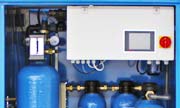
SCM 24
|
|
Cleans 24.000 liters per day
|
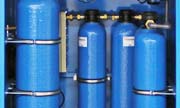
SCM 60
|
|
Cleans 60.000 liters per day
|
Video: How it works
The SCG Advantage
Our market-leading, water cleaning solutions have many advantages. To read more click the items below:
No Chemicals
Our machines and technology does not use any chemicals, at all.
Read more...
No Waste Water
Our machines do not waste any water. Yield = 100%.
Read more...
Low energy use
Uses 50 times less energy than a Reverse Osmosis Machine.
Read more...
Low ownership cost
Lower maintenance and operation costs due to our technology.
Read more...
Easy to install
Simple "plug and play" installation makes for easy deployment.
Read more...
Extremely compact
A compact system, contained in an easy to transport cabinet.
Read more...
Outperforms R.O.
SCG technologies outperform Reverse Osmosis systems.
Read more...
Faster ROI
Get a faster Return on Investment with our systems.
Read more...
Latest News
Latest Blog Posts
| Chemicals in water treatment? |
| Water storage - Whats best for keeping water clean and drinkable? |
| Case: Disaster Management Water Treatment |
Contact SCG
891 Showroom Place
Suite 101
Chula Vista, CA, 91914
Phone: +1 619-878-2730
Contact us by email