








The environmental benefits of eliminating chemical transport and storage
Clean drinking water depends on effective treatment, yet the environmental footprint of a treatment plant includes much more than electricity and equipment. Every delivery of disinfectants, coagulants, oxidants, or regeneration chemicals involves manufacturing, packaging, transport, handling, and eventual disposal. These activities can create emissions and risks long before treatment begins.
Reducing or eliminating chemical inputs can simplify the entire water-treatment chain. Systems designed to remove contaminants such as manganese, arsenic, bacteria, pesticides, and uranium through physical or electrochemical processes can reduce dependence on hazardous materials while maintaining a reliable supply of treated water. The result is a broader sustainability benefit that reaches beyond the plant boundary.
The environmental benefits of eliminating chemical transport and storage are especially relevant for municipalities, remote facilities, farms, industrial sites, and mobile operations. When treatment equipment needs fewer consumable inputs, operators can reduce deliveries, limit stored inventories, and make water production more resilient.
Reducing emissions across the supply chain
Chemical treatment products require energy and raw materials before they reach a water facility. Manufacturing may involve mining, refining, synthesis, heating, and pressurised processing. Once produced, chemicals are packaged and transported by truck, rail, ship, or a combination of routes. Each stage contributes to greenhouse gas emissions and can increase the embodied carbon of treated water.
Removing regular chemical deliveries reduces the frequency and volume of freight movements. This can be particularly valuable for rural plants, island communities, construction sites, military installations, and agricultural operations where long-distance deliveries are common. Fewer journeys also mean less road wear, congestion, fuel use, and vehicle pollution near sensitive locations.
A lower logistics burden does not automatically make a treatment system sustainable. Pumps, membranes, ultraviolet units, and other equipment still consume electricity and require maintenance. The strongest environmental performance comes from assessing total lifecycle impacts and selecting efficient equipment powered by a low-carbon energy source where possible.
Lowering the risks of storage and handling
Chemical storage areas require tanks, bunds, ventilation, monitoring, signage, and emergency equipment. These safeguards protect workers and the surrounding environment, but they also consume materials and space. Facilities must inspect containers, manage expiry dates, and maintain procedures for leaks, incompatible substances, and accidental releases.
A spill of chlorine compounds, acids, alkalis, or other treatment chemicals can contaminate soil and surface water. Even when a release is contained, cleanup may require additional transport, absorbent materials, contaminated waste disposal, and specialist contractors. Eliminating or reducing these inventories lowers the probability and potential scale of such incidents.
Chemical-free or low-chemical treatment can also improve working conditions. Operators have fewer exposure hazards and may spend less time transferring, diluting, and replenishing hazardous substances. This does not remove the need for proper safety procedures, because electrical systems, pressurised water, concentrated contaminants, and maintenance activities still require professional controls.
Protecting water and reducing residual waste
Many conventional treatment processes generate residual streams that contain concentrated chemicals, reaction products, or contaminated sludge. These by-products must be thickened, dewatered, stored, transported, and disposed of or treated further. Their management can add both financial and environmental costs to a facility’s operation.
A treatment approach that avoids chemical dosing can reduce the formation of certain residuals and limit the amount of contaminated packaging entering the waste stream. The exact outcome depends on the technology and the contaminants being removed. For example, arsenic, uranium, manganese, and pesticide residues still need responsible capture and disposal, even when no chemical reagent is added to the water.
Water quality protection also extends to the surrounding catchment. Fewer stored chemicals mean fewer opportunities for accidental discharge during flooding, equipment failure, vehicle impact, or human error. For buildings and public facilities, chemical-free Legionella control can help reduce reliance on stored disinfectants while supporting a carefully managed water hygiene programme.
Comparing operational and environmental effects
The best solution depends on source-water quality, flow rate, contaminant concentrations, local regulations, and the required treatment standard. Chemical dosing may remain appropriate in some applications, while other sites can use filtration, adsorption, oxidation, ultraviolet treatment, electrochemical methods, or a combination of technologies. A site assessment should consider performance over the full operating life rather than focusing only on initial purchase price.
The comparison below illustrates the main areas affected when a plant replaces frequent chemical inputs with a suitable non-chemical process. Actual results will vary according to design, energy source, maintenance, and the treatment objectives.
| Environmental or operational factor | Chemical-dependent treatment | Reduced- or non-chemical treatment |
|---|---|---|
| Transport activity | Regular deliveries of reagents and replacement containers | Fewer deliveries, mainly for spare parts and maintenance materials |
| Storage footprint | Tanks, dosing rooms, bunds, ventilation, and safety infrastructure | Smaller inventory areas, with equipment-focused service space |
| Spill exposure | Potential release of corrosive, oxidising, or toxic substances | Lower chemical-release risk, though water and electrical hazards remain |
| Packaging waste | Drums, bags, intermediate bulk containers, and residues | Reduced consumable packaging |
| Residual streams | May include chemical-rich sludge or reaction by-products | Often fewer chemical residuals, with captured contaminants still requiring disposal |
| Operating resilience | Dependent on supply availability and chemical replenishment | Less exposed to delivery delays and regional shortages |
| Energy profile | Can include chemical manufacture plus plant electricity | Primarily linked to equipment electricity and maintenance |
Lifecycle monitoring is important after installation. Operators can track chemical deliveries avoided, kilometres of freight prevented, packaging reduced, energy consumed, sludge produced, and maintenance requirements. These measurements turn a general sustainability claim into evidence that can guide future upgrades and funding decisions.
Supporting resilient water infrastructure
Chemical supply chains can be disrupted by severe weather, fuel price changes, border delays, industrial accidents, or sudden demand. A facility with limited storage capacity may face difficult choices if a delivery is late. Reducing chemical dependency gives operators more control over day-to-day production and can strengthen continuity during emergencies.
This resilience is valuable in regions where water infrastructure is remote or difficult to access. Farms and livestock facilities may need dependable treatment without frequent deliveries, while mobile or military units may operate far from established supply networks. Compact treatment systems can also support temporary facilities after floods, wildfires, or infrastructure damage.
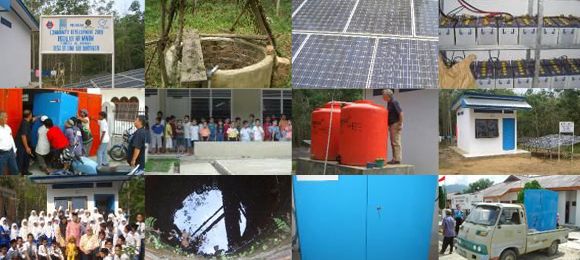
Municipal upgrades can produce benefits at a much larger scale. Replacing outdated dosing infrastructure may reduce routine handling and simplify plant operations while preserving treatment reliability. A municipal plant upgrade demonstrates how eliminating chemical use can be considered as part of a practical infrastructure modernisation programme rather than treated as an isolated environmental measure.
Designing a responsible transition
Moving away from chemical transport and storage requires engineering discipline. Source-water testing should identify seasonal changes and the full contaminant profile. The design must account for peak flows, temperature, turbidity, biological activity, pressure, maintenance access, and the quality limits imposed by local authorities.
A staged transition can reduce operational risk. A facility may begin with a pilot unit, parallel treatment train, or targeted application for a specific contaminant. Performance data can then verify removal efficiency and operating costs before the system is expanded. Staff training should cover monitoring, cleaning, fault response, residual management, and circumstances in which additional treatment may be required.
Useful priorities for a transition include:
- Measure current chemical volumes, delivery kilometres, storage capacity, packaging, and waste generation.
- Test source water during different seasons and operating conditions.
- Compare treatment options using lifecycle energy, maintenance, residuals, and replacement requirements.
- Design safeguards for contaminants captured by the new process.
- Establish performance indicators for water quality, energy use, avoided deliveries, and environmental incidents.
The goal is not to remove chemicals at any cost. It is to select a treatment configuration that delivers safe water with the lowest practical combination of emissions, waste, hazards, and resource consumption. In some cases, a hybrid system will provide the most balanced result, using chemical-free treatment for primary contaminant removal and limited dosing only when monitoring shows it is necessary.
Swiss Cleanwater Group can help organisations assess treatment requirements across municipal, industrial, agricultural, building, swimming-pool, and mobile applications. Reviewing the water source, site conditions, and sustainability targets with a qualified technology provider is a practical first step toward reducing chemical logistics and building a cleaner, more resilient water system. Contact the company to discuss a suitable treatment assessment or project pathway.
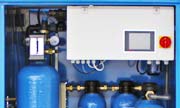
SCM 24
|
|
Cleans 24.000 liters per day
|
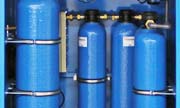
SCM 60
|
|
Cleans 60.000 liters per day
|
Video: How it works
The SCG Advantage
Our market-leading, water cleaning solutions have many advantages. To read more click the items below:
No Chemicals
Our machines and technology does not use any chemicals, at all.
Read more...
No Waste Water
Our machines do not waste any water. Yield = 100%.
Read more...
Low energy use
Uses 50 times less energy than a Reverse Osmosis Machine.
Read more...
Low ownership cost
Lower maintenance and operation costs due to our technology.
Read more...
Easy to install
Simple "plug and play" installation makes for easy deployment.
Read more...
Extremely compact
A compact system, contained in an easy to transport cabinet.
Read more...
Outperforms R.O.
SCG technologies outperform Reverse Osmosis systems.
Read more...
Faster ROI
Get a faster Return on Investment with our systems.
Read more...
Latest News
Latest Blog Posts
| Chemicals in water treatment? |
| Water storage - Whats best for keeping water clean and drinkable? |
| Case: Disaster Management Water Treatment |
Contact SCG
891 Showroom Place
Suite 101
Chula Vista, CA, 91914
Phone: +1 619-878-2730
Contact us by email