







Chemical-Free Pathogen Control for Hydroponic Water
Hydroponic farming depends on a carefully balanced water supply. Crops receive nutrients directly through the irrigation solution, so any biological contamination can move quickly through reservoirs, pipes, emitters, and root zones. Water that looks clear may still contain bacteria, fungi, protozoa, or plant pathogens capable of damaging an entire crop cycle.
Chemical disinfectants can control microorganisms, but they may also affect nutrient chemistry, beneficial biology, worker safety, and wastewater handling. A well-designed treatment train can reduce pathogen risks without adding residual chemicals, creating hazardous by-products, or consuming excessive energy.
The most effective approach combines source-water protection, physical filtration, ultraviolet disinfection, membrane treatment where appropriate, and regular sanitation of the growing system. Each stage has a specific role, and the correct combination depends on water quality, crop sensitivity, recirculation practices, and production scale.
Why Pathogens Spread Through Hydroponic Systems
Hydroponic installations often recirculate water, which makes them efficient but also allows contamination to travel. A pathogen introduced through incoming water, plant material, tools, insects, or workers can be redistributed through pumps and irrigation lines. Warm nutrient solutions and organic residues can further support microbial growth.
Common concerns include Pythium, Phytophthora, Fusarium, bacterial wilts, algae, and human-health organisms such as E. coli or Legionella under specific conditions. The risk is influenced by temperature, dissolved oxygen, suspended solids, reservoir design, and the cleanliness of surfaces that contact the solution.
Biofilm is a particular problem. Microorganisms attach to the inside of tanks and pipework, then produce a protective layer that can release cells into the water over time. A treatment unit may disinfect the water passing through it while leaving established biofilm untouched. For that reason, pathogen control must include equipment hygiene and hydraulic design, not just a single purification device.
Build Treatment Around Water Quality
Testing should come before equipment selection. A baseline analysis can identify turbidity, hardness, alkalinity, iron, manganese, salinity, pesticides, microbial indicators, and nutrient-relevant minerals. Source water from a well, municipal network, rainwater tank, or surface supply will require a different treatment strategy.
Sediment and organic matter can shield microorganisms from ultraviolet light and reduce the performance of downstream equipment. A prefilter or multimedia filtration stage removes particles before fine disinfection. Where iron and manganese are present, oxidation and filtration may be needed to prevent staining, emitter blockage, and interference with membranes or UV lamps. Guidance on combined iron and manganese removal can help when these dissolved metals occur together.
The goal is not to strip every mineral from the water. Hydroponic crops need a predictable starting profile so that growers can add nutrients accurately. Excessive purification may create unnecessary operating costs or require remineralization, while insufficient treatment can allow contaminants to accumulate in recirculating systems.
Chemical-Free Disinfection Options
Ultraviolet treatment is one of the most practical methods for reducing bacteria, viruses, and many other microorganisms in hydroponic water. UV energy damages microbial DNA so organisms cannot reproduce effectively. It does not add a chemical residual, alter nutrient concentration, or leave a taste or odor in the water.
Performance depends on the delivered UV dose, flow rate, lamp condition, water clarity, and maintenance. If turbidity is high, particles can shield microbes from the light. A properly sized unit should include flow control and a lamp-status indicator or monitoring system. Sleeves must be cleaned because mineral deposits reduce UV transmission.
Ultrafiltration can provide a physical barrier against bacteria, parasites, and suspended solids, depending on membrane pore size and system design. Reverse osmosis offers broader removal of dissolved salts and some chemical contaminants, but it produces a concentrate stream and consumes more energy. These technologies can be valuable when source water contains high salinity, pesticides, or other substances that ordinary filtration and UV cannot address.
| Treatment stage | Main purpose | Important limitation | Hydroponic value |
|---|---|---|---|
| Sediment filtration | Removes particles and protects equipment | Does not reliably remove dissolved contaminants or all pathogens | Improves UV and membrane performance |
| Activated carbon | Reduces some organic compounds, odors, and chlorine | Can become a microbial growth site if neglected | Protects sensitive crops from certain source-water compounds |
| Ultraviolet disinfection | Inactivates many microorganisms without a residual | Requires clear water and correct dose | Useful for incoming and recirculated water |
| Ultrafiltration | Physically retains many microbes and fine particles | Needs cleaning and controlled pressure | Creates a strong microbial barrier |
| Reverse osmosis | Reduces salts and many dissolved contaminants | Uses energy and produces concentrate | Helps manage difficult source water and salinity |
| Ozone or advanced oxidation | Provides powerful oxidation and disinfection | Requires careful control and monitoring | May suit specialized systems, but can harm roots if misapplied |
Protect Roots While Reducing Microbial Load
Sterile water is not always the same as healthy crop water. Plants need oxygen, stable pH, correct electrical conductivity, and a balanced nutrient profile. Treatment should therefore be integrated with irrigation management rather than operated independently.
UV and membrane systems are generally compatible with nutrient preparation when installed at the correct point in the process. Treating source water before nutrients are added is often simpler. In recirculating systems, treatment can be placed on a side stream so that a controlled portion of the reservoir passes through the unit continuously or at set intervals.
Water temperature and dissolved oxygen deserve close attention. Warm, stagnant reservoirs encourage pathogen development even when incoming water has been disinfected. Aeration, adequate circulation, covered tanks, and removal of plant debris reduce the conditions that allow contamination to return.
A treatment system should also avoid excessive shear, heat, or pressure changes that could affect delicate root environments. Growers should verify that treated water remains within the crop’s target pH, conductivity, temperature, and nutrient ranges before it is returned to the root zone.
Manage Recirculation And Biofilm
Disinfection works best when paired with a documented cleaning routine. Reservoirs, channels, filters, dosing equipment, and irrigation lines should be inspected for deposits and slime. Dead legs, unused branches, and poorly draining sections can become reservoirs for microorganisms.
Mechanical cleaning removes the organic layer that protects biofilm. Depending on the facility and crop schedule, components may be flushed, brushed, disassembled, or cleaned during a break between production cycles. Any sanitation method must be compatible with the materials used and followed by thorough rinsing before plants are exposed.
Monitoring makes the program measurable. Useful checks may include microbial indicator testing, turbidity, UV intensity, filter pressure drop, conductivity, pH, dissolved oxygen, and water temperature. A sudden pressure increase can indicate filter loading, while a change in microbial counts may reveal a bypass, damaged membrane, contaminated reservoir, or inadequate cleaning interval.
Chemical-free treatment does not mean maintenance-free treatment. Lamps have service lives, membranes require cleaning, filters need replacement, and sensors must be calibrated. Preventive maintenance is usually less disruptive than responding to a crop-wide root disease event.
Select A Practical Treatment Train
A small greenhouse using relatively clean municipal water may need only sediment filtration and UV disinfection, with routine reservoir hygiene. A commercial farm using a borehole could require aeration or oxidation, iron and manganese filtration, fine prefiltration, and UV. If salinity or pesticide residues are present, reverse osmosis or another advanced process may be justified.
System capacity should match the actual peak flow, not just the average daily volume. Undersized equipment can provide an inadequate disinfection dose, while oversized equipment increases capital and operating costs. Bypass protection is also important: untreated water should not reach the crop because of an open valve, failed lamp, or maintenance activity.
For large agricultural facilities, modular treatment can make expansion easier. Automated alarms, remote monitoring, and logged performance data help operators identify failures before they affect plants. Mobile farms, emergency growing units, and military applications may need compact systems with low power demand and simple service requirements. Swiss Cleanwater Group develops water-treatment technologies for varied applications, including systems designed to reduce contaminants without unnecessary chemicals or waste.
Recommended Operating Practices
- Test source water and recirculating water at scheduled intervals, including microbial indicators and minerals that affect nutrient management.
- Install particle removal before UV or membrane equipment, and monitor differential pressure across every important filter.
- Size UV reactors, pumps, and membranes for peak flow while preventing untreated bypasses.
- Keep reservoirs covered, remove plant debris promptly, and eliminate stagnant pipe sections where biofilm can develop.
- Record lamp replacement, filter changes, membrane cleaning, microbial results, pH, conductivity, temperature, and dissolved oxygen.
A chemical-free pathogen-control program is most reliable when every stage supports the next. Clean source water reduces the load on disinfection equipment, clear water improves UV performance, and good reservoir hygiene prevents treated water from becoming recontaminated. This layered strategy protects crops while preserving nutrient control and reducing waste.
For a site-specific design, begin with a complete water analysis and a map of the farm’s flow paths, reservoirs, irrigation zones, and discharge points. Contact Swiss Cleanwater Group to discuss a treatment configuration that supports productive hydroponic growing, efficient operation, and dependable microbial control without routine chemical dosing.
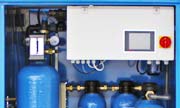
SCM 24
|
|
Cleans 24.000 liters per day
|
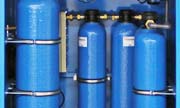
SCM 60
|
|
Cleans 60.000 liters per day
|
Video: How it works
The SCG Advantage
Our market-leading, water cleaning solutions have many advantages. To read more click the items below:
No Chemicals
Our machines and technology does not use any chemicals, at all.
Read more...
No Waste Water
Our machines do not waste any water. Yield = 100%.
Read more...
Low energy use
Uses 50 times less energy than a Reverse Osmosis Machine.
Read more...
Low ownership cost
Lower maintenance and operation costs due to our technology.
Read more...
Easy to install
Simple "plug and play" installation makes for easy deployment.
Read more...
Extremely compact
A compact system, contained in an easy to transport cabinet.
Read more...
Outperforms R.O.
SCG technologies outperform Reverse Osmosis systems.
Read more...
Faster ROI
Get a faster Return on Investment with our systems.
Read more...
Latest News
Latest Blog Posts
| Chemicals in water treatment? |
| Water storage - Whats best for keeping water clean and drinkable? |
| Case: Disaster Management Water Treatment |
Contact SCG
891 Showroom Place
Suite 101
Chula Vista, CA, 91914
Phone: +1 619-878-2730
Contact us by email