







Water Treatment for Golf Courses Without Environmental Harm
Golf courses depend on reliable water, yet irrigation can place pressure on aquifers, rivers, reservoirs, and municipal supplies. Large turf areas require frequent watering, while fertilizers, pesticides, organic matter, and naturally occurring minerals can affect the quality of runoff and recycled water. A responsible irrigation strategy must therefore protect both the playing surface and the surrounding watershed.
Water treatment for golf courses can help operators use available sources more efficiently without relying on heavy chemical dosing or energy-intensive processes. The right system can make groundwater, surface water, rainwater, drainage, or reclaimed process water suitable for irrigation while reducing contaminants that damage soil, turf, pumps, and local ecosystems.
The objective is not simply to produce clear-looking water. Effective golf course water management begins with an assessment of the source, the irrigation demand, the target quality, and the environmental limits of the site. Treatment should be matched to actual conditions, allowing the course to conserve water while maintaining consistent turf health and playability.
Why Irrigation Water Quality Matters
Water chemistry directly affects turf performance. Elevated salinity can accumulate in the root zone, making it harder for grass to absorb moisture. Excess iron and manganese may stain surfaces, clog sprinkler components, and create unpleasant deposits. Arsenic, uranium, or other naturally occurring contaminants can present longer-term risks when water is repeatedly applied to land.
Microbiological contamination also deserves attention, especially where storage ponds receive runoff from intensely used areas or where reclaimed water is blended with fresh sources. Bacteria and algae can affect odor, filtration, sprinkler operation, and worker safety. A visually attractive pond may still contain contaminants that require treatment before irrigation.
Golf course managers should test source water and soil together. The same water can produce different outcomes depending on drainage, soil texture, turf species, rainfall, and evaporation rates. Regular analysis of pH, electrical conductivity, hardness, suspended solids, nutrients, metals, and microbiological indicators creates a basis for treatment decisions rather than relying on assumptions.
Matching Treatment To The Water Source
A course may draw water from wells, lakes, rivers, reservoirs, rainwater systems, or municipal networks. Each source has a different contaminant profile. Well water may contain manganese, arsenic, iron, or uranium; surface water is more likely to carry sediment, algae, bacteria, and pesticide residues. Storage ponds can concentrate salts and nutrients during dry periods.
Treatment can include pre-filtration, membrane processes, adsorption, oxidation, ultraviolet disinfection, or specialized media. The most sustainable design uses only the stages needed for the measured water quality. Removing sediment before a finer purification step, for example, can protect equipment and extend the service life of downstream components.
Swiss Cleanwater Group presents a range of water treatment solutions for contaminants including manganese, arsenic, bacteria, pesticides, and uranium. For a golf facility, this type of technology assessment can support a source-specific design that limits chemical consumption, waste production, and unnecessary energy demand.
Comparing Purification Approaches
Treatment selection should account for more than the initial purchase price. Operators need to consider concentrate or backwash volumes, replacement parts, maintenance skills, pump requirements, footprint, automation, and the consequences of a system shutdown during the irrigation season.
Chemical treatment may be appropriate in some settings, but routine dosing creates storage, handling, and monitoring requirements. Conventional filtration can be effective for suspended material yet insufficient for dissolved contaminants. Membrane systems can deliver high-quality water, although their energy use and reject stream must be carefully managed. Physical or biological approaches may offer a lower-impact option when matched to the source.
| Water quality concern | Suitable treatment focus | Irrigation benefit | Environmental point |
|---|---|---|---|
| Sediment and suspended solids | Screening and media filtration | Protects pumps and sprinklers | Reduces maintenance waste |
| Manganese and iron | Specialized filtration or oxidation | Limits staining and deposits | Can reduce chemical reliance |
| Bacteria and algae | UV, filtration, or targeted disinfection | Supports safer water handling | Avoids excessive residual chemicals |
| Arsenic or uranium | Selective adsorption or membrane treatment | Helps control long-term exposure | Requires responsible media or concentrate management |
| Salinity and dissolved minerals | Membrane treatment or blending | Protects soil structure and turf | Energy and reject-water planning are essential |
| Pesticide residues | Activated carbon or advanced treatment | Reduces contaminant recirculation | Supports watershed protection |
The best design may combine several modest treatment stages instead of depending on one intensive process. A pilot test or monitored trial can reveal how the system performs under seasonal changes, peak irrigation demand, and fluctuating source conditions.
Reuse And Closed-Loop Irrigation
Water reuse can reduce dependence on freshwater supplies. Golf facilities may capture roof runoff, drainage water, filter backwash after suitable treatment, or water from maintenance and operational processes. Reuse must be managed carefully because contaminants can become concentrated when water is repeatedly circulated.
A reuse system should include separate collection points, storage capacity, pretreatment, and clear rules for blending. Monitoring salinity, nutrients, pathogens, and suspended solids helps prevent gradual deterioration of irrigation quality. Automated controls can divert unsuitable water, trigger additional treatment, or adjust blending ratios before the water reaches the turf.
The same principle applies to broader industrial and facility operations. Guidance on process water reuse can help golf facilities evaluate where operational water is lost and whether treated streams can be safely recovered. Reuse is most effective when water quality, storage time, and end use are designed together.
Protecting Soil, Turf, And Local Ecosystems
Irrigation water affects more than the grass visible on the course. Salt buildup can reduce infiltration and increase the need for flushing. Nutrient-rich water may encourage algae growth in ponds and drainage channels. Contaminated runoff can move beyond the property into wetlands, streams, or groundwater.
Treatment should therefore be paired with irrigation scheduling and soil management. Applying water according to evapotranspiration data limits runoff and overspray. Aeration, organic matter management, drainage improvements, and periodic soil testing can help the root zone use water more effectively. A high-quality supply cannot compensate for excessive irrigation or compacted soil.
Buffer zones and vegetated drainage areas provide an additional safeguard. They slow runoff, capture sediment, and support natural nutrient removal. Courses can also choose turf varieties suited to local climate and water quality, reducing demand for intensive irrigation and lowering the pressure placed on treatment infrastructure.
Designing A Practical System
A successful installation begins with a water audit. The audit should identify every source, storage pond, pump station, irrigation zone, treatment point, and discharge route. It should also record seasonal demand, peak flow, operating hours, and the quality required for different uses. Irrigation may need a different treatment standard than potable facilities, equipment washing, or spray applications.
System sizing is especially important. A unit that treats water slowly may work for filling a storage reservoir but fail during peak irrigation periods. Conversely, oversized equipment can increase capital costs and energy use. Modular systems, buffer tanks, and automatic bypass controls can provide flexibility as course demand changes.
Operators should request clear information about maintenance, monitoring, media replacement, cleaning cycles, reject streams, and emergency operation. Remote alerts can help staff identify pressure changes, filter loading, leaks, or quality deviations before they affect large areas of turf. Staff training is equally important because sustainable performance depends on correct operation over many seasons.
Actions That Reduce Water And Treatment Demand
Golf courses can lower their environmental footprint by combining purification with practical management measures:
- Test source water, irrigation water, soil, and runoff at scheduled intervals.
- Separate high-quality water from heavily contaminated streams before treatment.
- Use flow meters and weather-based controls to match irrigation with actual demand.
- Select turf, soil amendments, and drainage practices suited to local climate and water chemistry.
- Plan for backwash, concentrate, spent media, and sludge so treatment residues do not become a hidden waste problem.
These measures also improve financial control. Lower water consumption reduces pumping costs, while cleaner water can extend the life of sprinklers, valves, pumps, and filters. Preventing salt or metal accumulation in soil may reduce corrective maintenance and protect turf quality during dry periods.
Environmental performance should be documented through measurable indicators such as freshwater withdrawal, treated-water volume, energy per cubic meter, chemical consumption, runoff quality, and irrigation efficiency. Sharing these results with owners, staff, regulators, and nearby communities strengthens confidence in the course’s water stewardship.
Turn Water Stewardship Into A Course Standard
A golf course does not need to choose between dependable turf and responsible resource management. Source testing, targeted purification, water reuse, efficient irrigation, and soil protection can work as one integrated program. The result is a resilient water system that supports playability while reducing pressure on natural supplies.
Begin with a site assessment that maps water sources and identifies the contaminants most likely to affect turf, equipment, workers, and surrounding habitats. Then develop a treatment and reuse plan around real flow rates, seasonal conditions, and measurable quality targets. Contact Swiss Cleanwater Group to discuss a practical water treatment approach for your course and identify where cleaner irrigation water can reduce environmental harm.
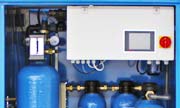
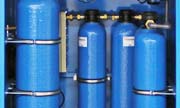
SCM 24
|
|
Cleans 24.000 liters per day
|
SCM 60
|
|
Cleans 60.000 liters per day
|
Video: How it works

The SCG Advantage
Our market-leading, water cleaning solutions have many advantages. To read more click the items below:
No Chemicals
Our machines and technology does not use any chemicals, at all.
Read more...
No Waste Water
Our machines do not waste any water. Yield = 100%.
Read more...
Low energy use
Uses 50 times less energy than a Reverse Osmosis Machine.
Read more...
Low ownership cost
Lower maintenance and operation costs due to our technology.
Read more...
Easy to install
Simple "plug and play" installation makes for easy deployment.
Read more...
Extremely compact
A compact system, contained in an easy to transport cabinet.
Read more...
Outperforms R.O.
SCG technologies outperform Reverse Osmosis systems.
Read more...
Faster ROI
Get a faster Return on Investment with our systems.
Read more...
Latest News
Latest Blog Posts
| Chemicals in water treatment? |
| Water storage - Whats best for keeping water clean and drinkable? |
| Case: Disaster Management Water Treatment |
Contact SCG
891 Showroom Place
Suite 101
Chula Vista, CA, 91914
Phone: +1 619-878-2730
Contact us by email