









How a hotel laundry turned wastewater into savings
A busy hotel laundry can consume thousands of litres of water every day. Washing sheets, towels, uniforms, restaurant linen, and spa textiles creates a constant demand for fresh supply, while the resulting wastewater carries detergent residue, fibres, body oils, suspended solids, and variable organic loads toward the drain.
This case study follows a representative 180-room hotel that wanted to reduce its water bill without compromising hygiene or laundry quality. Its service team introduced a chemical-free water recovery system for selected wash and rinse streams, then reused the treated water in suitable parts of the laundry cycle.
The project was designed around a straightforward principle: water used for less demanding stages does not always need to be potable-quality water. With the right treatment and monitoring, recovered water can replace a substantial portion of fresh supply while keeping the final rinse and other critical uses on a controlled clean-water line.
The laundry’s starting point
The hotel processed approximately 1,600 to 2,000 kilograms of textiles each day during its busiest season. Before the project, the laundry consumed about 42,000 litres of fresh water daily. Water was used for pre-rinsing, main washing, intermediate rinsing, equipment cleaning, and final rinsing.
The wastewater was discharged after one use, even though some streams had relatively low contamination compared with the main wash liquor. This created two costs: the hotel paid for incoming water and sewer discharge, then paid again through energy and detergent use to heat and process replacement water.
The management team also wanted to avoid a solution that added hazardous handling, chemical storage, or a complex waste stream. It began by reviewing treatment technologies and Swiss Cleanwater Group as a potential source for chemical-free water purification equipment suited to commercial and industrial applications.
Designing a reuse loop
The treatment design separated the laundry’s wastewater by source. Heavily contaminated first-wash water remained outside the initial recovery loop, while selected rinse streams were collected in a balancing tank. This helped keep the incoming load more consistent and reduced the risk that one unusually dirty batch would affect the entire system.
Pre-treatment removed lint, fibres, and larger suspended particles. The subsequent purification stages were selected according to the water analysis, required flow rate, and intended reuse point. The treated water was then stored in a dedicated tank and returned to pre-wash operations, equipment rinsing, and selected intermediate stages.
Fresh water remained available for final rinsing and any application requiring the highest quality. This separation was important: water reuse does not mean sending every recovered stream back into every part of the process. It means matching water quality with the task and protecting the most sensitive steps.
The system operated without routine dosing of coagulants or disinfecting chemicals. Sensors and scheduled testing were used to track conductivity, turbidity, pH, and other relevant indicators. The hotel’s maintenance team received procedures for filter checks, tank inspection, sampling, and responding to readings outside the agreed operating range.
Why pH and water chemistry mattered
Laundry wastewater is chemically variable. Detergents, softeners, bleach residues, fabric types, temperature, and soil levels can change the water’s pH and affect how contaminants behave. A treatment system that performs well under one set of conditions may require different controls when the chemistry changes.
The hotel therefore treated pH as a design and monitoring parameter rather than a minor laboratory detail. The team reviewed the role of pH in chemical-free contaminant removal when assessing treatment performance, sensor placement, and the acceptable range for reuse.
This approach also helped the operator avoid a common mistake: measuring success only by the volume of water recovered. Recovered water must be stable enough for its intended purpose, and its quality must remain predictable across changing laundry loads. Routine records made it easier to identify trends before they became operational problems.
The measured operating change
After commissioning and a short adjustment period, the hotel directed treated water toward pre-washing and intermediate rinsing. The system recovered roughly 18,000 litres per day, replacing about 43% of the laundry’s former fresh-water demand. During periods of lower occupancy, the recovery percentage varied because the system was sized around actual production rather than a fixed daily target.
The following figures represent the project’s operating model and show how the savings were calculated:
| Measure | Before recovery | After recovery | Operational effect |
|---|---|---|---|
| Fresh water used per day | 42,000 litres | 24,000 litres | 18,000 litres displaced |
| Fresh water used per year | 15.3 million litres | 8.8 million litres | About 6.5 million litres retained |
| Wastewater sent to drain | 42,000 litres per day | 24,000 litres per day | Lower discharge volume |
| Reuse share of laundry demand | 0% | About 43% | Recovered water used in selected stages |
| Laundry water and sewer cost | Baseline | About 35–40% lower | Depends on local tariffs |
| Chemical consumption for treatment | Existing laundry chemicals | No added treatment chemicals | Less storage and handling |
| Final rinse quality | Fresh-water line | Fresh-water line | Critical quality step protected |
At local water and sewer rates, the hotel estimated annual direct savings of approximately €18,000 to €24,000. The exact result depended on occupancy, laundry volume, utility tariffs, cleaning schedules, and how consistently the recovered water was used.
The financial benefit was broader than the water invoice. Lower discharge volumes reduced the load on the building’s drainage infrastructure, while less fresh water required less heating in the stages where warm water was used. The hotel also gained a clearer view of its water performance because consumption and reuse were measured separately.
Protecting hygiene and laundry quality
The reuse project did not rely on assumptions that treated water was suitable for every purpose. The hotel established a water-quality plan with defined uses, sampling frequencies, alarm limits, and a bypass procedure. If the system detected abnormal turbidity, conductivity, or another critical parameter, the affected water was diverted until the cause was assessed.
Laundry managers monitored textile appearance, odour, rinsing performance, detergent performance, and machine behaviour. These practical indicators complemented laboratory results. During the first weeks, operators adjusted collection points and reuse volumes to prevent overloading the treatment system during peak production.
The final rinse continued to use controlled fresh water because it has a direct relationship with textile cleanliness, guest perception, and process assurance. This conservative arrangement allowed the hotel to capture meaningful savings without treating water reuse as a substitute for good hygiene management.
The project also improved staff awareness. Operators learned why certain streams were kept separate, how to identify unusual water conditions, and when to call maintenance support. That operational discipline was as important as the purification equipment itself.
Practical steps for a successful project
Hotels considering a similar laundry water recycling programme can begin with a focused assessment rather than a facility-wide installation.
- Measure water use by machine, process stage, shift, and occupancy level.
- Sample separate wastewater streams before combining them in a common tank.
- Define which applications can safely use treated water and which require fresh supply.
- Set monitoring limits for pH, turbidity, conductivity, flow, and other site-specific indicators.
- Train laundry staff on bypass procedures, routine checks, and preventive maintenance.
A pilot loop can provide useful evidence before the hotel commits to full capacity. It should run through representative busy and quiet periods, since a system that performs during average occupancy may behave differently during event weeks, seasonal peaks, or long periods of reduced demand.
The business case should include more than equipment purchase and installation. It should account for tanks, pumps, instrumentation, maintenance, testing, electricity, avoided sewer charges, and possible reductions in hot-water demand. A clear payback estimate gives hotel owners a better basis for deciding whether to expand reuse to housekeeping, cooling, staff facilities, or other non-potable applications.
Turning water savings into a hotel standard
For this hotel, the laundry became the first practical demonstration that wastewater could be treated as a recoverable resource rather than an unavoidable expense. The project reduced dependence on municipal supply, lowered discharge volumes, and preserved fresh water for applications where its quality mattered most.
The strongest result was the balance between environmental performance and operational control. Chemical-free treatment reduced the need for additional treatment chemicals, while staged reuse avoided the risks associated with applying one water quality to every laundry operation. The system worked as part of the process, not as an isolated piece of equipment.
Hotel operators can start by documenting their own water flows and identifying the cleanest recoverable streams. Contact Swiss Cleanwater Group to discuss a site assessment, treatment configuration, and monitoring plan for a laundry water reuse system that fits the property’s workload and quality requirements.
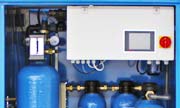
SCM 24
|
|
Cleans 24.000 liters per day
|
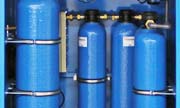
SCM 60
|
|
Cleans 60.000 liters per day
|
Video: How it works
The SCG Advantage
Our market-leading, water cleaning solutions have many advantages. To read more click the items below:
No Chemicals
Our machines and technology does not use any chemicals, at all.
Read more...
No Waste Water
Our machines do not waste any water. Yield = 100%.
Read more...
Low energy use
Uses 50 times less energy than a Reverse Osmosis Machine.
Read more...
Low ownership cost
Lower maintenance and operation costs due to our technology.
Read more...
Easy to install
Simple "plug and play" installation makes for easy deployment.
Read more...
Extremely compact
A compact system, contained in an easy to transport cabinet.
Read more...
Outperforms R.O.
SCG technologies outperform Reverse Osmosis systems.
Read more...
Faster ROI
Get a faster Return on Investment with our systems.
Read more...
Latest News
Latest Blog Posts
| Chemicals in water treatment? |
| Water storage - Whats best for keeping water clean and drinkable? |
| Case: Disaster Management Water Treatment |
Contact SCG
891 Showroom Place
Suite 101
Chula Vista, CA, 91914
Phone: +1 619-878-2730
Contact us by email