







Chemical-Free Treatment of Acidic Mine Drainage in Australia
Acid mine drainage is one of the most persistent water-quality problems associated with mining. When sulphide-bearing rock is exposed to oxygen and water, it can generate acidic runoff containing dissolved iron, manganese, aluminium, arsenic and other metals. The resulting water may stain creeks orange, damage aquatic habitats and create long-term compliance risks.
For an Australian mining operation, the problem is often intensified by distance, seasonal rainfall and limited access to treatment chemicals. A remote site in Western Australia or Queensland may have large catchments to manage, long supply routes and strict discharge conditions. Any treatment system must therefore be reliable, economical and practical for local operators.
This case study follows a mining operation that needed to treat acidic drainage before reuse and controlled release. The site wanted to reduce chemical handling, avoid creating large volumes of sludge and limit energy consumption. It worked with Swiss Cleanwater Group to assess a treatment train based on water conditioning, aeration, filtration and contaminant-specific media.
The outcome was a compact, modular system designed around the mine’s actual water chemistry. Rather than assuming every acidic stream could be handled by a standard package, the project began with sampling, pilot testing and careful monitoring of pH, turbidity, conductivity, metals and flow variation.
The mine’s water management problem
The operation was located in a dry inland region where most rainfall arrived during short, intense storm events. During the dry season, seepage from waste-rock areas and a tailings storage facility produced a relatively steady acidic flow. After heavy rain, runoff volumes increased sharply and carried a much higher sediment load.
The drainage contained elevated iron and manganese, with traces of other dissolved metals that varied according to the zone from which the water originated. A conventional lime-dosing plant was technically possible, but it would have required regular deliveries, chemical storage, operator intervention and disposal of metal-rich sludge.
This is a familiar concern in Australia. A mine near Kalgoorlie, Mount Isa or the Hunter Valley may be many hours from a major industrial supplier, and wet-season access can make deliveries difficult. The operator needed a process that could cope with variable water quality without turning chemical logistics into a second operational challenge.
Establishing the treatment targets
The first stage involved a detailed water assessment rather than immediate equipment selection. Samples were taken from collection sumps, seepage points and the proposed discharge location. Laboratory analysis confirmed that acidity, suspended solids and dissolved metals did not remain constant throughout the year.
The treatment target was defined in practical terms: reduce acidity and dissolved contaminants to the site’s reuse or discharge requirements, protect downstream infrastructure and keep the plant stable during sudden changes in flow. Water intended for dust suppression or process reuse received a different target from water destined for a natural receiving environment.
The team also reviewed the mine’s existing ponds and drainage channels. Some provided useful equalisation capacity, while others allowed iron deposits to accumulate and reduce available volume. That assessment helped determine where treatment would deliver the greatest benefit and where simple site maintenance could improve overall performance.
A process without routine chemical dosing
The selected arrangement used an equalisation stage followed by controlled aeration and filtration. Equalisation reduced the impact of rapid flow and concentration changes. Aeration encouraged the oxidation and precipitation of iron and selected metals, while filtration captured the resulting particles before the water moved to polishing stages.
A reactive filtration medium helped support pH adjustment and metal removal without routine dosing of lime, caustic soda or aluminium-based coagulants. The process was designed around the site’s water chemistry, with contact time and media selection established through pilot trials. This distinction was important: “chemical-free” did not mean that chemistry was ignored, but that the plant avoided continuous chemical additives.
The system also addressed fine suspended solids. Where surface water is heavily loaded after rain, the guidance on high turbidity control is relevant because excess sediment can shorten filter runs and reduce treatment consistency. At the mine, pre-settling and staged filtration reduced that burden before the polishing units.
Managing iron, manganese and acidity
Iron was the most visible contaminant. In its dissolved form, it passed through the initial collection ponds, but after oxidation it formed particles that could be separated from the water. This reduced orange staining and prevented iron deposits from reaching downstream channels.
Manganese required closer control because it is often more difficult to remove than iron. The treatment design allowed sufficient contact time and used a media stage selected for the mine’s pH and oxidation conditions. Online sensors tracked changes so that operators could identify declining performance before treated water moved beyond the plant.
Acidity remained a central consideration. The site did not treat pH as an isolated number; operators assessed alkalinity, dissolved metals and conductivity together. This helped prevent a temporary pH improvement from masking incomplete contaminant removal, a risk that can occur when water chemistry changes rapidly after rainfall.
Handling sludge, residue and maintenance
Avoiding chemical dosing reduced the volume of conventional treatment sludge, but it did not eliminate residues. Iron-rich solids and spent filtration media still required management. The mine installed a designated solids-handling area and included periodic inspection of settling zones in its environmental management plan.
Because the process used fewer consumable chemicals, the operation reduced storage requirements and the risks associated with spills, expired products and manual handling. That was valuable for a remote Australian site where trained staff might be shared across several work areas rather than permanently assigned to water treatment.
Maintenance focused on pumps, valves, sensors and filter condition. The modular layout allowed individual stages to be isolated without stopping the entire water-management system. Operators could wash or replace media according to actual pressure loss and treatment performance rather than following an unnecessarily rigid calendar.
Monitoring performance across changing seasons
The project team established a monitoring programme covering inflow and outflow pH, oxidation-reduction potential, turbidity, conductivity, flow, iron and manganese. Periodic laboratory tests checked for arsenic and other trace contaminants that could become more significant as mining areas changed.
During the first wet season, the equalisation basin proved particularly important. Stormwater brought higher turbidity and a diluted but much larger flow. Automated controls adjusted pumping and aeration to protect the filters, while operators used the basin to hold water until the treatment train could process it steadily.
This seasonal approach reflects Australian operating conditions. A system designed only around dry-weather seepage may perform well for months and then struggle during a Queensland monsoon, a Pilbara storm or a sudden east-coast rainfall event. Designing for peaks, not averages, made the installation more dependable.
Reuse, discharge and wider site benefits
After treatment, part of the water was returned for onsite reuse, reducing the need to draw fresh water for dust control and selected operational tasks. The balance was released only when monitoring confirmed that it met the applicable site criteria. This reduced pressure on local water resources while keeping discharge decisions evidence-based.
The broader sustainability benefit was reduced dependence on imported reagents and lower energy demand compared with a heavily pressurised treatment plant. The result was not a promise that every mine can remove all chemicals from acidic drainage treatment. Instead, it demonstrated that a carefully tested process may reduce or eliminate routine chemical additives where the water chemistry and site conditions are suitable.
The same design philosophy can apply to coastal and mixed-salinity operations. Mines near Western Australia’s coastline or other water-stressed areas may also need to manage brackish sources, and sustainable brackish-water methods can help inform decisions about reuse, energy consumption and system resilience.
What the case demonstrates
The mining operation’s experience shows that acidic drainage treatment begins with characterisation, not a catalogue of equipment. Flow variability, metal speciation, sediment loading, pH, alkalinity and intended water use all influence the right process configuration.
A chemical-free or low-chemical approach also requires disciplined operation. Sensors must be calibrated, settling areas maintained and media performance reviewed. Site personnel need clear response procedures for storm events, unusual inflows and changes in mine geology.
For Australian mining companies, the advantages can be substantial: fewer chemical deliveries, simpler remote-site logistics, reduced sludge generation and a smaller operational footprint. Swiss Cleanwater Group can assess mine water, industrial effluent and contaminated runoff through testing and pilot work before a full-scale system is selected.
Contact Swiss Cleanwater Group to discuss acidic drainage, dissolved metals or high-turbidity mine water. A site-specific assessment can identify whether chemical-free treatment, water reuse and modular filtration are suitable for the operation’s environmental targets and day-to-day realities.
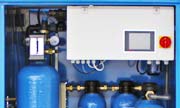
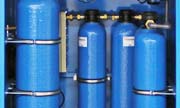
SCM 24
|
|
Cleans 24.000 liters per day
|
SCM 60
|
|
Cleans 60.000 liters per day
|
Video: How it works
The SCG Advantage
Our market-leading, water cleaning solutions have many advantages. To read more click the items below:
No Chemicals
Our machines and technology does not use any chemicals, at all.
Read more...
No Waste Water
Our machines do not waste any water. Yield = 100%.
Read more...
Low energy use
Uses 50 times less energy than a Reverse Osmosis Machine.
Read more...
Low ownership cost
Lower maintenance and operation costs due to our technology.
Read more...
Easy to install
Simple "plug and play" installation makes for easy deployment.
Read more...
Extremely compact
A compact system, contained in an easy to transport cabinet.
Read more...
Outperforms R.O.
SCG technologies outperform Reverse Osmosis systems.
Read more...
Faster ROI
Get a faster Return on Investment with our systems.
Read more...
Latest News
Latest Blog Posts
| Chemicals in water treatment? |
| Water storage - Whats best for keeping water clean and drinkable? |
| Case: Disaster Management Water Treatment |
Contact SCG
891 Showroom Place
Suite 101
Chula Vista, CA, 91914
Phone: +1 619-878-2730
Contact us by email