









How a Winery Protected Its Well Field with Chemical-Free Recharge Water
A vineyard depends on water long before grapes reach the cellar. Irrigation, frost protection, cleaning, bottling, worker facilities, and fire reserves all compete for a reliable supply. For a winery drawing from its own wells, groundwater quality is therefore a production issue, an environmental responsibility, and a long-term business concern.
This case study follows a regional winery that wanted to protect its well field while reducing its dependence on delivered water. The site had access to lightly contaminated surface and process water, but conventional treatment would have required chemical dosing, frequent cartridge replacement, and the disposal of concentrated waste.
The winery chose a different approach: purify suitable source water without chemical additives, then return it to the aquifer through a controlled recharge area. The project helped stabilize the local water balance and created a practical model for wineries, farms, and other rural businesses operating where every cubic metre matters.
Why The Well Field Became A Strategic Asset
The winery’s three production wells supplied water for cellar cleaning, equipment washing, staff facilities, and selected irrigation duties. The water was generally clear, yet laboratory testing identified variable levels of manganese, traces of pesticides associated with surrounding agricultural land, and occasional microbiological activity after heavy rainfall.
These findings did not make the wells unusable, but they reduced operating flexibility. Water quality changed seasonally, and the winery had to monitor the wells more closely during harvest. Any deterioration could affect cleaning protocols, increase maintenance, or force the company to purchase water during its busiest period.
The management team also recognized that pumping more groundwater was not a complete solution. Extraction during dry summers lowered the margin of safety around the well field. Protecting the aquifer meant treating an alternative source and allowing a portion of that water to return underground under controlled conditions.
Defining A Chemical-Free Treatment Target
The first step was a detailed assessment of the available water streams. The winery separated clean stormwater and selected wash-water flows from streams containing oils, solvents, high organic loads, or other materials unsuitable for recharge. Only the water with a realistic treatment pathway was considered for the project.
Testing focused on suspended solids, bacteria, manganese, arsenic, pesticide residues, conductivity, and other parameters relevant to groundwater protection. The objective was not to make every wastewater stream suitable for infiltration. It was to identify a manageable source, remove the contaminants that presented a risk, and maintain a consistent quality standard before recharge.
A chemical-free process was important for two reasons. The winery wanted to avoid adding disinfectant by-products or treatment reagents to water returning to the ground. It also wanted to avoid creating a secondary waste stream made up of spent chemicals, contaminated sludge, or highly concentrated reject water.
The final design used staged physical and water-treatment processes selected for the source profile. Pre-filtration protected the treatment equipment, while the main purification stage reduced fine particles and microbial contaminants. Additional treatment addressed dissolved substances such as manganese and pesticide traces. The exact sequence was governed by test results rather than by a generic package.
Turning Recovered Water Into Aquifer Protection
The treated water was directed to a lined balancing tank before recharge. This buffer gave operators time to verify quality, manage changes in flow, and stop the system if an online measurement moved outside its operating range. Water that did not meet the defined criteria was held for additional treatment or diverted from recharge.
Recharge took place through a controlled infiltration zone located outside the winery’s active production area and away from the abstraction points. The location and rate were chosen to encourage gradual percolation rather than ponding or uncontrolled movement. Groundwater monitoring points around the well field provided an additional safeguard.
The project also changed how the winery viewed water that had previously been considered a disposal problem. Instead of sending every recoverable stream away for transport or discharge, the site could retain water within the local watershed. This is especially valuable in vineyard regions where irrigation demand rises at the same time that rainfall becomes less predictable.
The approach has parallels with other decentralized drinking-water projects. Facilities that need reliable sanitation without chlorine can review chlorine-free drinking water practices, while agricultural operators can compare the project with broader farming water solutions designed around local water sources and operating conditions.
Comparing The Main Water Management Options
Before approving the installation, the winery compared three practical strategies: continuing to pump groundwater, purchasing tanker water during dry periods, or treating suitable site water for controlled recharge. The evaluation included capital requirements, operating effort, environmental impact, and resilience during harvest.
| Approach | Water security | Waste profile | Operating risks | Long-term suitability |
|---|---|---|---|---|
| Increased groundwater pumping | Vulnerable during drought and peak demand | Low visible waste, but may lower aquifer levels | Falling water table and changing quality | Limited |
| Purchased tanker water | Flexible but dependent on suppliers | Transport emissions and delivery-related losses | Cost spikes and supply interruptions | Moderate |
| Chemical treatment with discharge | Can produce consistent water quality | Chemical residuals, sludge, or concentrate | Chemical handling and disposal | Moderate |
| Chemical-free treatment with controlled recharge | Supports local water balance | Low secondary waste when properly designed | Requires monitoring and source separation | High |
The recharge option required more planning than simply ordering water, but it aligned with the winery’s environmental objectives. It also reduced exposure to external supply costs. The important distinction was that the winery did not treat recharge as a way to hide poor-quality water; it treated recharge as a regulated water-management process with defined acceptance criteria.
Results Across Production And Compliance
After commissioning, the winery reported more stable water availability during the growing season and less reliance on emergency deliveries. The recharge stream was monitored at each critical stage, including source collection, post-treatment storage, and infiltration. This gave operators a documented chain of control from incoming water to aquifer entry.
Manganese and suspended solids were reduced to levels compatible with the project’s operating limits, while microbiological control improved through the treatment train and protected storage. Monitoring of the surrounding groundwater did not show an adverse trend attributable to the recharge operation. Results remained dependent on correct source segregation and regular maintenance, as expected.
The financial benefit came from several sources rather than from one dramatic saving. The winery reduced tanker purchases, lowered the volume of water sent off-site, and protected production against interruptions. Less chemical handling also simplified staff procedures and reduced the need to store treatment products near food and beverage operations.
The project created a useful distinction between drinking-water production, process-water reuse, and aquifer recharge. Each use had its own quality requirements. By matching treatment intensity to the intended application, the winery avoided paying to purify every litre to the highest possible standard.
Building A Reliable Recharge Programme
A successful installation depends on operational discipline as much as on treatment equipment. The winery assigned responsibility for sampling, filter inspections, alarm response, and recharge authorization. Staff were trained to stop the process when a source changed unexpectedly, rather than assuming that the treatment system could correct every contamination event.
The following practices became central to the programme:
- Separate clean, recoverable water from solvent, oil, pesticide-concentrated, and high-strength wastewater streams.
- Establish laboratory-tested limits for bacteria, manganese, arsenic, pesticides, conductivity, and suspended solids.
- Use buffer storage and automatic diversion so off-specification water cannot enter the recharge area.
- Monitor groundwater levels and quality around both the infiltration zone and production wells.
- Review treatment performance before harvest, after major storms, and whenever the source-water profile changes.
The winery also kept records that connected water quality with production activity. Harvest cleaning, rainfall, fertilizer application, and irrigation schedules could all influence the incoming water. This information made it easier to identify trends and schedule maintenance before a quality problem affected the well field.
A Practical Model For Water-Intensive Sites
The lesson from this winery is not that every site should recharge every available wastewater stream. The stronger lesson is that water security improves when source selection, contaminant removal, reuse, and groundwater protection are designed together.
A chemical-free treatment system can be particularly useful where chemical storage is undesirable, residuals are difficult to manage, or the receiving environment requires careful protection. It can support a circular water strategy while preserving the quality of the aquifer that a business depends on.
For wineries, farms, livestock facilities, and rural production sites, the first investment should be a clear water balance and a complete laboratory profile. Once the source and intended use are understood, a site-specific treatment concept can provide clean water with less waste, lower transport dependence, and stronger control over future supply.
Swiss Cleanwater Group develops treatment solutions for applications where contaminants such as bacteria, manganese, arsenic, pesticides, and uranium must be addressed without unnecessary chemicals or excessive energy use. Contact the company to discuss source-water testing, treatment design, and a recharge or reuse strategy suited to your site.
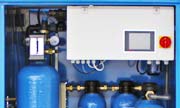
SCM 24
|
|
Cleans 24.000 liters per day
|
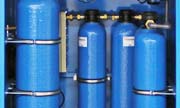
SCM 60
|
|
Cleans 60.000 liters per day
|
Video: How it works

The SCG Advantage
Our market-leading, water cleaning solutions have many advantages. To read more click the items below:
No Chemicals
Our machines and technology does not use any chemicals, at all.
Read more...
No Waste Water
Our machines do not waste any water. Yield = 100%.
Read more...
Low energy use
Uses 50 times less energy than a Reverse Osmosis Machine.
Read more...
Low ownership cost
Lower maintenance and operation costs due to our technology.
Read more...
Easy to install
Simple "plug and play" installation makes for easy deployment.
Read more...
Extremely compact
A compact system, contained in an easy to transport cabinet.
Read more...
Outperforms R.O.
SCG technologies outperform Reverse Osmosis systems.
Read more...
Faster ROI
Get a faster Return on Investment with our systems.
Read more...
Latest News
Latest Blog Posts
| Chemicals in water treatment? |
| Water storage - Whats best for keeping water clean and drinkable? |
| Case: Disaster Management Water Treatment |
Contact SCG
891 Showroom Place
Suite 101
Chula Vista, CA, 91914
Phone: +1 619-878-2730
Contact us by email