







A Better Way to Treat Well Water Odour and Taste
Well water can look perfectly clear while carrying a strong rotten-egg smell, metallic flavour, earthy character or a faint chemical taste. These problems are common in private bores and groundwater systems, where dissolved gases, minerals, organic matter and naturally occurring microorganisms can enter the supply below ground.
Replacing activated carbon is not always the right answer. Carbon can become exhausted quickly when a bore contains high levels of hydrogen sulphide, iron, manganese or organic compounds. A better approach is to identify the contaminant first, then use aeration, oxidation, biological treatment, membrane filtration or ultraviolet disinfection where each technology is most effective.
Identify What Is Causing The Taste
A rotten-egg odour usually indicates hydrogen sulphide, although sulphur-reducing bacteria can also contribute to the problem. A metallic or bitter taste may be linked to iron or manganese, while an earthy or musty flavour can come from organic matter and microbial activity. Salinity, excessive hardness and low pH may change the taste without producing an obvious odour.
The location of the smell helps narrow the diagnosis. If the odour appears directly at the bore, the source is probably groundwater. If it develops after water has been stored in a tank, plumbing, a pressure vessel or a hot-water system, the treatment point may need to be moved or the storage equipment cleaned. Testing should include pH, electrical conductivity, iron, manganese, sulphide, hardness, microbiological quality and, where relevant, arsenic, uranium, pesticides and nitrate.
Why Carbon Is Often Overworked
Activated carbon is useful for many dissolved organic compounds, chlorine and selected taste-and-odour substances. However, it is an adsorbent rather than a universal purifier. Once its surface becomes loaded, contaminants can pass through, and a carbon filter may become a place where bacteria multiply if it is poorly maintained.
High iron and manganese can coat the media and reduce its performance. Hydrogen sulphide can consume adsorption capacity rapidly, especially when the bore is used heavily. In these conditions, installing a larger carbon cartridge or changing it more frequently may increase operating costs without solving the underlying cause.
A treatment train that removes or transforms the troublesome compounds before fine filtration can extend the life of downstream equipment. This reduces waste from discarded cartridges and makes performance easier to monitor.
Use Aeration To Release Dissolved Gases
Aeration is one of the simplest ways to address hydrogen sulphide and some volatile taste-and-odour compounds without relying on activated carbon. Water is exposed to air through a spray, cascade, venturi, diffused-air tank or air-injection system. The gas transfers out of the water and can then be safely vented from the treatment vessel.
Aeration can also begin the oxidation of dissolved iron and manganese, converting them into particles that can be captured by a suitable filter. The design must account for groundwater chemistry, temperature, flow rate, pressure and the concentration of sulphide. A poorly ventilated installation can simply move the smell indoors, so the vessel and exhaust route require careful planning.
For a rural property near Toowoomba, Bendigo or regional Western Australia, the system may need to cope with intermittent occupancy, bore pumps cycling at different rates and water stored in rainwater or poly tanks. A buffer tank and automatic controls can make treatment more consistent.
Oxidise Iron, Manganese And Sulphur
When odour is accompanied by black staining, orange deposits or a metallic taste, oxidation followed by media filtration is often more effective than carbon alone. Air, oxygen-enriched air or another approved oxidation process can convert dissolved contaminants into solids. A backwashing filter then removes those solids from the water stream.
Some systems use catalytic filter media that supports oxidation and captures precipitated iron or manganese. The correct media depends on pH, contaminant concentration, available backwash water and the required flow. Manganese, in particular, may need a higher pH and longer contact time than iron.
This approach is valuable for Australian bore supplies because groundwater chemistry can vary significantly between properties, even within the same district. A solution suitable for a farm outside Melbourne may be unsuitable for a bore near Perth, where salinity and naturally occurring minerals can create a different treatment challenge.
Select Membranes For Dissolved Contaminants
Ultrafiltration and microfiltration are effective for suspended particles, bacteria and some colloidal material, but they generally do not remove dissolved hydrogen sulphide, salts or many dissolved taste compounds. Reverse osmosis can reduce a broad range of dissolved contaminants, including salinity and some metals, but it produces a concentrate stream and requires pressure and maintenance.
Membrane treatment is therefore best selected after testing rather than used as a blanket solution. Pre-treatment is especially important when iron, manganese or suspended solids could foul the membrane. In a whole-house system, reverse osmosis may be reserved for drinking and cooking water, while a lower-energy process supplies bathrooms, irrigation or livestock areas.
The same principle applies when addressing emerging contaminants. A practical microplastic filtration guide can help explain why particle removal and dissolved-contaminant removal require different filtration mechanisms.
Add Biological And Disinfection Protection
Some bore odour problems are caused or intensified by bacteria living in wells, tanks, pipes or filters. Disinfection can control microorganisms, but it should not be treated as a substitute for removing hydrogen sulphide, iron or manganese. Ultraviolet light can inactivate bacteria and viruses when water is clear and the lamp receives the correct flow, while ozone can oxidise selected compounds and provide strong disinfection.
Biological filtration may be appropriate where naturally occurring microorganisms convert ammonia, iron or manganese under controlled conditions. It requires stable operation, suitable media and hygienic management. Any system supplying drinking water should be designed to prevent recontamination after treatment.
For Australian households, farms and small facilities, certification and installation quality matter. Components in contact with drinking water should be suitable for that use, and the finished system should align with applicable Australian requirements, local plumbing rules and health guidance. Water intended for a childcare centre, guest accommodation or food business needs especially careful validation.
Design For Farms, Greenhouses And Buildings
Bore water used for irrigation or livestock does not have exactly the same treatment priorities as household drinking water. Taste may be unimportant for a crop, but iron, manganese and bacteria can block emitters, stain produce-handling equipment or affect nutrient delivery. A greenhouse operator in South Australia or Victoria may need to balance pathogen control with the mineral profile required by tomatoes, herbs or ornamentals. This greenhouse water guidance explains why treatment should be matched to the end use.
In livestock systems, water that smells of sulphur may reduce animal acceptance, while high salinity can affect intake and productivity. Buildings in Sydney, Brisbane or Adelaide may need compact equipment, low noise and protection against variable water demand. Mobile, mining and emergency applications add further requirements for rugged construction, rapid deployment and limited consumables.
A central treatment plant can supply several uses, but separate polishing at drinking-water outlets may be more economical than treating every litre to potable quality. Flow-based dosing, automatic backwashing and remote alarms also help reduce routine maintenance, particularly on properties where the nearest service provider is several hours away.
Monitor Performance Instead Of Guessing
A successful system is measured by water quality at the outlet, not by the absence of a smell for a few days. Operators should record pressure, flow, filter run time, backwash frequency, pH and any changes in odour, colour or taste. Laboratory testing at commissioning and at planned intervals confirms whether the process is still meeting its purpose.
Maintenance may include cleaning an aeration vessel, checking a vent, servicing an air pump, replenishing a specialist media bed or replacing ultraviolet lamps. These tasks are different from repeatedly changing carbon cartridges and can often be scheduled around bore use. Wastewater from backwashing or reverse osmosis must also be managed responsibly, especially in drought-affected regions and properties with limited drainage.
A treatment assessment from Swiss Cleanwater Group can help connect the test results with a suitable process combination. The objective is a stable supply that tastes acceptable, has no objectionable odour and remains safe for its intended use without unnecessary chemicals, waste or energy consumption.
Removing odor and taste issues from well water without activated carbon replacement is achievable when the cause is properly identified and the treatment sequence is engineered around it. Arrange a water analysis and system review before purchasing another filter, so the final design addresses the bore chemistry, demand, storage and end use from the beginning.
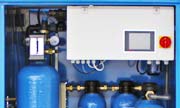
SCM 24
|
|
Cleans 24.000 liters per day
|
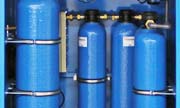
SCM 60
|
|
Cleans 60.000 liters per day
|
Video: How it works
The SCG Advantage
Our market-leading, water cleaning solutions have many advantages. To read more click the items below:
No Chemicals
Our machines and technology does not use any chemicals, at all.
Read more...
No Waste Water
Our machines do not waste any water. Yield = 100%.
Read more...
Low energy use
Uses 50 times less energy than a Reverse Osmosis Machine.
Read more...
Low ownership cost
Lower maintenance and operation costs due to our technology.
Read more...
Easy to install
Simple "plug and play" installation makes for easy deployment.
Read more...
Extremely compact
A compact system, contained in an easy to transport cabinet.
Read more...
Outperforms R.O.
SCG technologies outperform Reverse Osmosis systems.
Read more...
Faster ROI
Get a faster Return on Investment with our systems.
Read more...
Latest News
Latest Blog Posts
| Chemicals in water treatment? |
| Water storage - Whats best for keeping water clean and drinkable? |
| Case: Disaster Management Water Treatment |
Contact SCG
891 Showroom Place
Suite 101
Chula Vista, CA, 91914
Phone: +1 619-878-2730
Contact us by email