






Chemical-Free Disease Control In Aquaculture Water
Aquaculture depends on a stable aquatic environment. Fish, shellfish, and other farmed species live in direct contact with their water, so any biological contaminant can spread quickly through tanks, raceways, ponds, or recirculating aquaculture systems. Poor water quality also weakens animals, slows growth, increases feed costs, and raises mortality.
Treating water for aquaculture requires more than removing visible particles. Effective management must control pathogens, suspended solids, organic matter, ammonia, nitrite, metals, and other contaminants while preserving the conditions aquatic animals need. The goal is a clean, balanced system that supports animal health without creating harmful chemical residues.
Chemical disinfectants can provide rapid microbial control, but they may also affect beneficial biology, irritate fish gills, produce by-products, or require careful neutralization before water returns to production. Physical purification methods offer a controlled alternative when they are correctly selected, sized, and monitored.
Why Water Quality Drives Aquatic Animal Health
Disease outbreaks often begin with a combination of stress and exposure. High stocking density, inadequate oxygen, temperature changes, excess feed, and accumulated waste can reduce immune resistance. If pathogens are present at the same time, infections may move rapidly between tanks or throughout a shared water loop.
Water treatment helps reduce this pressure by controlling the conditions that allow harmful organisms to persist. Mechanical filtration removes feces, uneaten feed, and suspended solids that consume oxygen and shelter microorganisms. Biological filtration converts toxic ammonia into less harmful compounds, while aeration and degassing maintain suitable oxygen and carbon dioxide levels.
Source water also deserves close attention. Groundwater may contain manganese, arsenic, iron, or uranium, while surface water can carry pesticides, bacteria, parasites, and organic pollution. A system intended for hatcheries or food production should begin with a complete water analysis rather than relying on assumptions about the supply.
Physical Barriers For Pathogen Control
Chemical-free disinfection usually combines several treatment stages instead of relying on one device. A prefilter or screen protects downstream equipment, while finer media filtration reduces turbidity and suspended particles. This preparation is especially important for ultraviolet treatment because cloudy water can shield microorganisms from the light.
Ultraviolet disinfection damages the genetic material of bacteria, viruses, and many protozoa as water passes through a UV chamber. It leaves no chemical residual in the water, which can be valuable in hatcheries and recirculating systems. However, performance depends on lamp intensity, contact time, flow rate, sleeve cleanliness, and water clarity. UV equipment must be maintained and verified rather than treated as a set-and-forget solution.
Membrane technologies can provide another barrier against microorganisms and dissolved contaminants. Ultrafiltration is useful for removing fine particles and many pathogens, while reverse osmosis can reduce salts and selected dissolved substances. These systems may require pretreatment, concentrate management, and energy planning, so their role should match the farm’s water chemistry and production objectives. Lessons from clean water at construction sites also show why treatment must be adapted to changing source conditions and practical operating environments.
| Treatment Method | Main Role | Chemical Residual | Key Operating Need |
|---|---|---|---|
| Screen or sediment filter | Removes solids and protects equipment | None | Regular cleaning and correct particle rating |
| Biological filter | Converts ammonia and nitrite | None | Stable microbial population and oxygen |
| Ultraviolet unit | Inactivates many microorganisms | None | Clear water, adequate UV dose, lamp maintenance |
| Ultrafiltration | Reduces fine particles and pathogens | None | Pretreatment and membrane cleaning |
| Reverse osmosis | Reduces salts and dissolved contaminants | None | Pressure, concentrate handling, and remineralization |
| Aeration or degassing | Controls oxygen and carbon dioxide | None | Correct airflow and gas exchange capacity |
Designing A Treatment Train For Aquaculture
A treatment train should reflect the water source, species, production density, and level of recirculation. A small pond supplied by a protected well will have different requirements from a high-density indoor farm reusing the same water many times. Hatchery systems often need particularly careful control because eggs, larvae, and juveniles are vulnerable to small changes in chemistry and microbial load.
A practical arrangement may include intake screening, sediment removal, contaminant-specific filtration, biological treatment, oxygenation, and final disinfection. In a recirculating system, solids should be removed quickly before they break down and release additional ammonia or dissolved organic matter. Water can then pass through biofilters and a final UV barrier before returning to culture tanks.
Flow rates must be calculated for real operating conditions, including peak demand, filter fouling, temperature changes, and possible expansion. Undersized equipment may deliver clean water during testing but fail when biomass or feeding rates increase. Oversized systems can raise capital and energy costs without improving results if the treatment stages are poorly matched.
Maintaining Biosecurity Without Harsh Chemicals
Removing chemical disinfectants does not remove the need for biosecurity. Pathogens can enter through new stock, nets, footwear, transport water, equipment, wildlife, and incoming water. Separate tools for different production areas, controlled visitor access, quarantine tanks, and routine cleaning remain essential parts of disease prevention.
UV and membrane treatment should be positioned where they provide the greatest protection. A final barrier before water re-enters culture tanks can limit exposure, while separate treatment of incoming water protects the entire facility from source contamination. Water leaving quarantine or disease-control areas should not be returned to healthy stock without suitable treatment and risk assessment.
Chemical-free systems also need biological balance. Beneficial bacteria in a biofilter are part of the treatment process, so aggressive cleaning or sudden changes in pH, temperature, salinity, or oxygen can damage their activity. Operators should track ammonia, nitrite, nitrate, pH, temperature, dissolved oxygen, turbidity, and alkalinity according to the needs of the species and system.
Monitoring Performance And Preventing Failure
A water purifier is only effective when its performance is measurable. UV systems should include flow control and intensity monitoring where possible. Filters require pressure-difference checks, and membranes need records for flow, pressure, conductivity, and cleaning frequency. These measurements reveal gradual performance loss before it becomes a disease event.
Microbiological testing can help verify whether treatment is achieving its intended reduction. Testing may include total bacterial counts, indicator organisms, and targeted pathogens where a known risk exists. Results should be interpreted alongside fish behavior, feed intake, mortality, lesions, and water chemistry rather than viewed in isolation.
Maintenance schedules should account for fouling, mineral deposits, seasonal source changes, and production cycles. Dirty UV sleeves reduce dose, clogged filters increase pressure, and neglected biofilters can release trapped solids. Clear operating procedures allow staff to respond consistently when alarms, test results, or animal observations indicate a problem.
Practical Steps For A Safer Water System
A sustainable aquaculture treatment program should be designed around risk reduction, operational simplicity, and reliable verification. The following actions provide a practical starting point:
- Test source water for microbiological quality, suspended solids, metals, pesticides, salinity, pH, alkalinity, and other species-relevant contaminants.
- Separate solids removal, biological filtration, oxygen management, and final pathogen control into clearly defined treatment stages.
- Size UV, membrane, and filtration equipment according to peak flow and actual water quality, not average laboratory conditions.
- Establish monitoring limits for turbidity, UV intensity, ammonia, nitrite, dissolved oxygen, and filter pressure.
- Maintain quarantine, equipment hygiene, stock movement controls, and documented responses to abnormal test results.
Build A Reliable Water Safety Program
The best system is one that protects aquatic animals while fitting the farm’s daily workflow. Sustainable water treatment can reduce dependence on chemical disinfectants, limit waste streams, and improve control over incoming and recirculated water. It can also support municipal hatcheries, commercial fish farms, livestock operations, and mobile facilities where dependable clean water is essential.
Swiss Cleanwater Group provides water-treatment technologies for contaminant reduction and clean-water production across demanding applications. A site-specific assessment can connect water analysis, treatment objectives, flow requirements, and maintenance planning into a practical design. To discuss a suitable approach, contact the water team and begin developing a treatment strategy built around healthier stock and dependable operation.
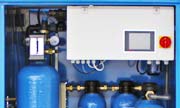
SCM 24
|
|
Cleans 24.000 liters per day
|
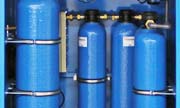
SCM 60
|
|
Cleans 60.000 liters per day
|
Video: How it works
The SCG Advantage
Our market-leading, water cleaning solutions have many advantages. To read more click the items below:
No Chemicals
Our machines and technology does not use any chemicals, at all.
Read more...
No Waste Water
Our machines do not waste any water. Yield = 100%.
Read more...
Low energy use
Uses 50 times less energy than a Reverse Osmosis Machine.
Read more...
Low ownership cost
Lower maintenance and operation costs due to our technology.
Read more...
Easy to install
Simple "plug and play" installation makes for easy deployment.
Read more...
Extremely compact
A compact system, contained in an easy to transport cabinet.
Read more...
Outperforms R.O.
SCG technologies outperform Reverse Osmosis systems.
Read more...
Faster ROI
Get a faster Return on Investment with our systems.
Read more...
Latest News
Latest Blog Posts
| Chemicals in water treatment? |
| Water storage - Whats best for keeping water clean and drinkable? |
| Case: Disaster Management Water Treatment |
Contact SCG
891 Showroom Place
Suite 101
Chula Vista, CA, 91914
Phone: +1 619-878-2730
Contact us by email