







Chemical-Free Pathogen Control in Aquaculture Recirculating Systems
Recirculating aquaculture systems (RAS) allow fish and shellfish producers to raise stock with a small water footprint. Water passes through mechanical filters, biological treatment and disinfection units before returning to the tanks. This controlled loop supports reliable production, yet it also means that a pathogen can spread quickly if treatment and biosecurity are poorly managed.
Chemical-free water treatment uses physical separation and energy-based disinfection instead of routine chlorine, formalin or other added chemicals. The aim is to reduce bacteria, viruses, parasites and suspended organic matter without leaving harmful residues, damaging nitrifying bacteria or creating difficult waste streams.
For Australian operators, this approach is especially relevant. Water scarcity affects farms across regional New South Wales, Queensland and Victoria, while warm conditions around Brisbane and tropical production areas can accelerate microbial growth. Barramundi, Murray cod, trout and prawns each require carefully controlled water quality, temperature and oxygen conditions.
A successful system does not rely on a single piece of equipment. Pathogen control combines source-water protection, solids removal, hydraulic design, ultraviolet treatment, membrane filtration, monitoring and strict movement controls. The result is a cleaner production environment with fewer chemical inputs and greater control over disease risks.
Why Pathogens Spread In RAS Facilities
A recirculating system continuously concentrates nutrients, organic particles and microorganisms. Fish excrete waste, uneaten feed decomposes, and biofilms develop on tank surfaces, pipework and filters. If solids remain in the water for too long, they can shield pathogens from ultraviolet light and consume oxygen as they break down.
High stocking densities increase the consequences of an introduction. A bacterium entering through new fingerlings, untreated make-up water, equipment or personnel may circulate through several tanks within hours. Fluctuating temperature, poor dissolved oxygen, crowding and sudden changes in pH can further weaken fish and make infections more likely.
Disease prevention therefore begins before water reaches the disinfection stage. Separate quarantine tanks, dedicated nets, footbaths, controlled visitor access and clean-to-dirty workflow help limit transmission. Treatment equipment strengthens these measures, but it cannot compensate for contaminated equipment or poor stock management.
Removing Solids Before Disinfection
Mechanical filtration is the first major defence in a RAS. Drum filters, settling units, microscreens and dissolved air flotation systems remove faecal matter, uneaten feed and other suspended particles. Efficient removal reduces the organic load entering biofilters and disinfection equipment.
This step is crucial for ultraviolet treatment because turbidity and colour reduce light penetration. Fine particles can also protect microorganisms by creating shaded areas. A well-designed system measures flow, particle size and filter performance rather than assuming that a nominal filter rating will provide consistent protection.
Sludge handling deserves equal attention. Concentrated waste should be removed quickly, dewatered where appropriate and managed in accordance with local environmental requirements. Chemical-free treatment can reduce the formation of chemically contaminated sludge, a benefit explored in these sludge reduction methods, but the remaining biological solids still require responsible storage, transport or reuse.
Ultraviolet Light And Membrane Barriers
Ultraviolet disinfection inactivates many bacteria, viruses and free-swimming parasites by damaging their genetic material. It adds no residual chemical to the water and leaves no taste or odour. UV performance depends on dose, flow rate, lamp condition, water clarity and the susceptibility of the target organism.
Operators need sensors and maintenance routines to keep UV systems effective. Quartz sleeves become fouled, lamps lose output with age and an excessive flow rate can reduce the delivered dose. Automatic cleaning, alarm systems and scheduled intensity checks are valuable safeguards in a commercial hatchery or grow-out facility.
Membrane filtration provides another physical barrier. Ultrafiltration can retain bacteria, many parasites and suspended particles, while tighter membrane processes may address smaller contaminants. Membranes need suitable pre-treatment and cleaning procedures, since fouling can reduce output and increase energy demand. Their role should be selected according to the species, water source and required pathogen reduction.
Protecting Biofilters And Fish Health
RAS biofilters contain bacteria that convert toxic ammonia into nitrite and then nitrate. A disinfection process that treats the entire biofilter loop indiscriminately may harm these beneficial colonies. For this reason, UV units are commonly installed on a side-stream or on treated water after solids removal, allowing the biological filter to remain active.
Water treatment must preserve the conditions fish need to thrive. Dissolved oxygen, carbon dioxide, ammonia, nitrite, nitrate, pH, alkalinity, temperature and salinity should be tracked at frequencies suited to the system’s stocking density. A pathogen-control upgrade that causes oxygen depletion or unstable pH can create a new health problem.
The safest design separates treatment objectives. Mechanical filtration handles particles, biofiltration manages dissolved nitrogen, aeration controls gases, and UV or membrane units reduce pathogens. This division makes faults easier to identify and allows each process to operate within its effective range.
Monitoring Performance And Compliance
Routine testing turns water treatment from a device purchase into a managed control programme. Operators should record UV intensity, flow, turbidity, filter pressure, membrane performance and cleaning intervals. Microbiological sampling can help verify trends, investigate mortality events and confirm that treatment is working under real operating conditions.
Australian farms must also consider state and territory aquaculture licences, discharge conditions and animal health obligations. The Biosecurity Act 2015 supports national biosecurity arrangements, while state authorities regulate aquaculture activities and disease reporting. Requirements vary between jurisdictions, so a facility in Tasmania may face different approvals from one near Cairns or Perth.
Water intended for human consumption is governed by different standards from production water. The Australian Drinking Water Guidelines may be relevant to staff drinking supplies or a potable source, but they do not replace aquaculture-specific risk assessment. Food safety, animal welfare, environmental protection and workplace safety should all be included in the facility’s operating procedures.
Designing For Australian Conditions
Australia’s climate can place heavy pressure on recirculating systems. Hot weather raises tank temperature and increases oxygen demand, especially in Queensland and northern Western Australia. Drought conditions can make reliable water reuse essential, while storm events may introduce sediment, agricultural runoff or pathogens into intake water.
Urban and peri-urban facilities around Sydney, Melbourne and Adelaide may have limited space and strict discharge expectations. Indoor RAS production can reduce exposure to outside contamination, but it increases dependence on pumps, sensors, backup power and ventilation. Remote farms need robust equipment, accessible spare parts and clear emergency procedures.
Mobile and emergency aquaculture operations can learn from water systems designed for demanding field conditions. A military water treatment solution illustrates the value of compact, resilient purification equipment where water quality and supply reliability cannot be assumed. The same principles can support remote hatcheries, temporary quarantine units and disaster recovery planning.
Building A Practical Treatment Train
A practical chemical-free treatment train usually begins with protected intake water, coarse screening and fine solids separation. Water then passes through biological filtration, degassing or aeration and a validated disinfection stage. Depending on the source and species, ultrafiltration, activated carbon or additional polishing may be added.
The design should include bypass controls, isolation valves and sampling points before and after critical barriers. If a UV unit fails, the system needs an alarm and a safe response rather than silently returning untreated water to production tanks. If a membrane begins to foul, pressure and flow trends should reveal the problem before fish health is affected.
Chemical-free does not mean maintenance-free. Filters must be cleaned, lamps replaced, membranes serviced and sensors calibrated. Staff need documented procedures for quarantine, mortality response, water testing and equipment hygiene. This disciplined approach reduces reliance on emergency chemical treatments and supports stable, repeatable production.
Review the intake water, stocking density, solids load and current disease controls before selecting equipment. A properly sized chemical-free treatment system can help Australian aquaculture producers conserve water, protect fish health and reduce operational waste. Speak with a water-treatment specialist to assess the process flow, verify pathogen-control targets and develop a system suited to the species, site and regulatory setting.
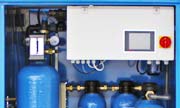
SCM 24
|
|
Cleans 24.000 liters per day
|
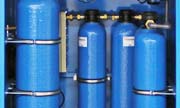
SCM 60
|
|
Cleans 60.000 liters per day
|
Video: How it works
The SCG Advantage
Our market-leading, water cleaning solutions have many advantages. To read more click the items below:
No Chemicals
Our machines and technology does not use any chemicals, at all.
Read more...
No Waste Water
Our machines do not waste any water. Yield = 100%.
Read more...
Low energy use
Uses 50 times less energy than a Reverse Osmosis Machine.
Read more...
Low ownership cost
Lower maintenance and operation costs due to our technology.
Read more...
Easy to install
Simple "plug and play" installation makes for easy deployment.
Read more...
Extremely compact
A compact system, contained in an easy to transport cabinet.
Read more...
Outperforms R.O.
SCG technologies outperform Reverse Osmosis systems.
Read more...
Faster ROI
Get a faster Return on Investment with our systems.
Read more...
Latest News
Latest Blog Posts
| Chemicals in water treatment? |
| Water storage - Whats best for keeping water clean and drinkable? |
| Case: Disaster Management Water Treatment |
Contact SCG
891 Showroom Place
Suite 101
Chula Vista, CA, 91914
Phone: +1 619-878-2730
Contact us by email