








Reducing Sludge Production In Water Treatment With Chemical-Free Methods
Water treatment can produce safe, reliable drinking water without creating large volumes of chemical sludge. For municipalities, farms, industrial sites, and remote facilities, reducing residual waste can lower operating costs, simplify handling, and improve the environmental performance of the entire treatment process.
Chemical-free treatment does not mean that contaminants disappear without a trace. Instead, the process uses physical filtration, oxygen from air, catalytic surfaces, adsorption, and carefully selected media to capture or transform pollutants. The result is often a smaller waste stream and fewer secondary products than conventional coagulation and precipitation.
This approach is especially valuable where water contains manganese, iron, arsenic, bacteria, pesticides, or uranium. Swiss Cleanwater Group develops systems that target these contaminants while limiting chemical consumption, energy use, and wastewater generation.
Why Conventional Treatment Creates Sludge
Many conventional water treatment plants rely on coagulants such as aluminium or iron salts. These chemicals destabilize suspended particles and dissolved contaminants so they can form flocs. The flocs settle in clarifiers or are separated through filters, leaving behind sludge that must be thickened, dewatered, stored, transported, and disposed of.
The volume of sludge depends on raw-water quality, chemical dosage, and treatment design. A plant treating turbid surface water may generate substantial solids, while a groundwater facility may face a different problem: dissolved manganese, arsenic, or iron becomes concentrated in backwash water and filter residuals. Even when the treated water is excellent, residual management can remain expensive.
Sludge also contains water, which makes transport inefficient. Disposal requirements may become stricter when residuals contain concentrated metals or other regulated substances. Reducing the amount formed at the source can therefore have a greater long-term impact than simply upgrading sludge handling equipment.
How Chemical-Free Processes Limit Residuals
Chemical-free systems often begin with aeration or another form of oxygen transfer. Oxygen can oxidize dissolved iron and manganese, turning them into solid particles that can be retained by a filter. The process avoids adding oxidizing chemicals and can be controlled through contact time, flow rate, pH, and media selection.
Catalytic filter media improve this reaction by providing an active surface where oxidation and particle capture can occur. After the media has matured, it can support the removal of manganese and iron with limited intervention. This can reduce the need for chemical dosing and help prevent the additional solids associated with coagulant-based treatment. A practical overview of this mechanism appears in catalytic media benefits.
Adsorptive media provide another route for contaminant removal. Arsenic, uranium, and selected organic compounds can attach to specialized surfaces as water passes through a treatment bed. The contaminant is concentrated within the media rather than mixed into a large volume of chemical sludge. Media replacement or regeneration still requires planning, but the residual stream is generally more contained and easier to manage.
Matching The Process To The Contaminant
A low-sludge design must reflect the chemistry of the source water. Manganese removal, for example, may depend on dissolved oxygen, pH, alkalinity, temperature, and the presence of iron. If these conditions are poorly understood, a filter may foul, lose capacity, or require frequent backwashing.
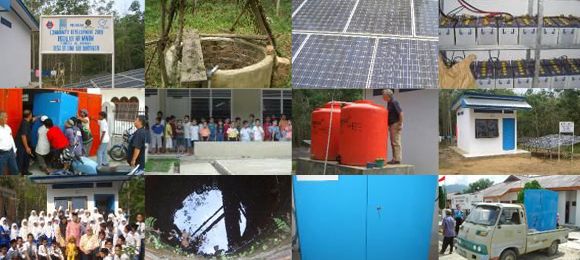
Arsenic treatment also requires careful analysis because arsenic can occur in different chemical forms. Some forms are easier to capture after oxidation, while others require a specific adsorption medium. A rural water project illustrates how arsenic removal methods can be designed around local water quality and practical operating conditions.
Bacteria require a different treatment strategy from dissolved metals. Filtration may reduce microbial loads, but disinfection, ultraviolet treatment, membrane separation, or a combination of barriers may be needed to meet health requirements. A chemical-free process can reduce sludge while still using energy-efficient physical disinfection or ultraviolet light where appropriate.
Pesticides and other trace organic contaminants may call for activated carbon, advanced filtration, or a tailored adsorption medium. Uranium removal can involve ion exchange or specialized adsorbents. The right solution depends on concentration, flow, competing ions, water demand, and the required treatment objective.
| Treatment approach | Main action | Typical residual | Sludge reduction potential | Important design factor |
|---|---|---|---|---|
| Aeration with catalytic media | Oxidizes and filters iron or manganese | Filter backwash and spent media | High compared with chemical precipitation | pH, oxygen transfer, and loading |
| Adsorptive filtration | Captures arsenic, uranium, or selected organics | Contained spent media | High, with planned media replacement | Contaminant form and competing substances |
| Membrane filtration | Physically separates particles and dissolved material | Concentrated reject stream | Moderate; sludge is low but concentrate remains | Recovery rate and concentrate management |
| Ultraviolet treatment | Inactivates microorganisms | Minimal solid residual | Very high for microbial control | Turbidity, UV transmittance, and dose |
| Chemical coagulation | Forms flocs for clarification | Chemical sludge | Lower | Coagulant dose and solids handling |
Designing For Efficient Backwashing
Backwashing is essential for many filtration systems, but it can become a major source of wastewater if the cycle is poorly controlled. Excessive flow, unnecessary frequency, and long rinse periods increase water consumption and residual volumes without improving treatment performance.
Sensors and flow controls can help initiate backwash based on pressure loss, turbidity, runtime, or actual media condition. This demand-based approach is more efficient than relying on a fixed schedule. Air scour may also loosen accumulated particles before water backwashing, reducing the volume needed to clean the filter.
Backwash water can sometimes be settled, filtered, or returned to an appropriate point in the process. The correct arrangement depends on the captured contaminants and local regulations. Water containing concentrated arsenic, uranium, or other regulated substances must be managed carefully and should not be recycled without a verified risk assessment.
Media depth and grain size also influence residual production. A well-designed bed captures contaminants throughout its depth instead of forming a dense layer at the surface. This extends run times, improves filter performance, and reduces the frequency of cleaning.
Benefits Across Different Applications
For municipalities, lower sludge production can reduce the size of residuals infrastructure and simplify daily plant operations. Fewer chemical deliveries also mean less storage capacity, lower exposure risk, and reduced dependence on supply chains. These benefits are particularly relevant for small communities with limited technical staff.
Farms and livestock operations can use compact filtration systems to protect drinking water and process water without creating a continuous chemical waste stream. Industrial sites may benefit from targeted treatment that addresses a specific contaminant before water enters production or discharge systems.
Remote, mobile, and military applications place a premium on low energy use, simple maintenance, and minimal consumables. A chemical-free unit using gravity, pressure filtration, air oxidation, or ultraviolet treatment can be easier to deploy where chemical transport is difficult. Buildings, swimming pools, and decentralised facilities can also use compact systems when space and residual handling capacity are limited.
The sustainability benefit extends beyond sludge volume. Lower chemical demand can reduce manufacturing, packaging, transport, and storage impacts. When a treatment system is designed around the actual water chemistry, it can achieve reliable contaminant removal without oversizing equipment or operating pumps and backwash cycles more often than necessary.
Recommendations For A Lower-Waste System
- Test raw water for metals, microorganisms, pesticides, uranium, pH, alkalinity, hardness, turbidity, and seasonal variation.
- Select catalytic or adsorptive media according to contaminant chemistry rather than using a generic filter.
- Use aeration, air scour, and demand-based backwashing to reduce chemical use and rinse-water volumes.
- Plan for spent media, concentrate, and backwash water before commissioning the treatment plant.
- Monitor pressure loss, treated-water quality, flow, and media performance so maintenance is based on evidence.
Turn Water Data Into A Practical Design
Sludge reduction begins with a clear picture of the source water and the required treated-water quality. Laboratory testing, pilot trials, and hydraulic calculations can show whether aeration, catalytic filtration, adsorption, ultraviolet treatment, membranes, or a combined system will provide the most dependable result.
Swiss Cleanwater Group supports applications ranging from municipal drinking-water plants to agriculture, industry, livestock, buildings, and mobile treatment units. Contact the company to discuss your water analysis and identify a chemical-free treatment configuration that minimizes residuals while delivering safe, sustainable water.
SCM 24
|
|
Cleans 24.000 liters per day
|
SCM 60
|
|
Cleans 60.000 liters per day
|
Video: How it works
The SCG Advantage
Our market-leading, water cleaning solutions have many advantages. To read more click the items below:
No Chemicals
Our machines and technology does not use any chemicals, at all.
Read more...
No Waste Water
Our machines do not waste any water. Yield = 100%.
Read more...
Low energy use
Uses 50 times less energy than a Reverse Osmosis Machine.
Read more...
Low ownership cost
Lower maintenance and operation costs due to our technology.
Read more...
Easy to install
Simple "plug and play" installation makes for easy deployment.
Read more...
Extremely compact
A compact system, contained in an easy to transport cabinet.
Read more...
Outperforms R.O.
SCG technologies outperform Reverse Osmosis systems.
Read more...
Faster ROI
Get a faster Return on Investment with our systems.
Read more...
Latest News
Latest Blog Posts
| Chemicals in water treatment? |
| Water storage - Whats best for keeping water clean and drinkable? |
| Case: Disaster Management Water Treatment |
Contact SCG
891 Showroom Place
Suite 101
Chula Vista, CA, 91914
Phone: +1 619-878-2730
Contact us by email