








Safe Drinking Water Solutions for Campgrounds
A campground’s water supply directly affects visitor health, comfort, and trust. Whether guests fill bottles at a public tap, prepare meals in a cabin, or use showers and wash stations, they expect the water to be clean, safe, and consistently available throughout their stay.
Water treatment for campgrounds can be complex because sites often depend on wells, springs, surface water, seasonal connections, or mobile storage tanks. Visitor numbers may change rapidly, while remote locations can make chemical deliveries, maintenance, and laboratory testing more difficult.
A reliable treatment system should address local contaminants while using energy and resources efficiently. Swiss Cleanwater Group provides purification technologies for drinking water, public facilities, outdoor sites, and mobile applications, helping operators develop a solution suited to their source water and operating conditions.
Identify Risks In The Water Source
The first step is to understand where campground water comes from and what it may contain. Groundwater can carry iron, manganese, arsenic, uranium, or agricultural residues. Surface water and shallow wells may be affected by bacteria, parasites, pesticides, sediment, and organic matter after heavy rain or flooding.
Testing should cover microbiological and chemical parameters before equipment is selected. Seasonal testing is also valuable because a spring or well may change during drought, snowmelt, or periods of intense rainfall. A system designed for clear winter water may not perform adequately when turbidity and microbial activity increase in summer.
Campground operators should also consider how water is distributed after treatment. Storage tanks, long pipe runs, low-use cabins, and poorly maintained taps can create conditions for stagnation or recontamination. Treatment at the source is important, but hygienic storage and distribution are equally essential.
Design Treatment Around Visitor Demand
Demand planning must account for peak occupancy rather than average use. Drinking, cooking, toilets, showers, laundry, dishwashing, and recreational facilities can all draw from the same supply. A campground that serves a few families in spring may need several times more capacity during holidays or festivals.
Flow rate, daily volume, pressure, and storage capacity should be calculated together. Oversizing equipment can increase purchase and operating costs, while undersizing may lead to pressure drops, untreated bypasses, or interruptions during busy periods. Modular equipment can be useful where the site expands gradually or operates only during certain months.
Remote facilities benefit from simple controls and accessible components. Operators may prefer automated backwashing, clear alarms, low-maintenance membranes, or compact units that can be inspected without specialist tools. The right design balances technical performance with the skills, staffing, and access available at the campground.
Combine Physical And Biological Protection
A multi-stage approach can address different classes of contaminants. Screens and sediment filters protect downstream equipment from particles. Specific media or membrane technologies can reduce dissolved metals, pesticides, uranium, and other chemical pollutants. Disinfection then provides protection against bacteria and other microorganisms where required by the source and local regulations.
Chemical-free treatment may be particularly attractive for environmentally sensitive campsites. It can reduce the need to store, transport, and dose substances near forests, lakes, rivers, and visitor accommodation. It may also limit chemical residuals and reduce the handling burden for seasonal staff.
Swimming pools, splash areas, and bathing facilities require their own treatment strategy because recirculated water has different risks from drinking water. Campgrounds with pools can review this discussion of chemical-free pool filtration when evaluating resource-efficient water management in warm conditions.
| Water concern | Suitable treatment focus | Operational priority |
|---|---|---|
| Bacteria and microbial contamination | Validated disinfection and hygienic storage | Routine sampling and alarm checks |
| Manganese, iron, or sediment | Oxidation, filtration, or specialized media | Backwashing and media inspection |
| Arsenic or uranium | Targeted adsorption or membrane treatment | Source-water testing and media replacement |
| Pesticides and organic pollutants | Activated carbon or advanced filtration | Monitoring breakthrough and pressure |
| Seasonal turbidity | Pre-filtration and robust clarification | Inspection after storms and flooding |
Protect Storage And Distribution
Clean water can become unsafe after it leaves the treatment unit. Storage tanks should be sealed against insects, dust, and wildlife, while vents and overflow points should be protected appropriately. Tanks also need cleaning and inspection schedules that reflect their size, material, and usage pattern.
Pipework should be arranged to minimize dead legs and stagnant sections. Low-use buildings may need flushing procedures before opening each season or after extended closure. Public taps, hose connections, and bottle-filling stations should be maintained so that users do not introduce contamination through damaged fittings or unsanitary contact points.
Temperature matters as well. Warm conditions can encourage microbial growth in tanks and pipes, especially where water remains unused for long periods. Shading, insulation, suitable tank placement, and regular turnover can help preserve water quality between treatment and consumption.
Monitor Performance Through The Season
A treatment system requires more than installation. Operators should establish a practical monitoring program covering source-water conditions, treated-water quality, flow, pressure, filter status, and disinfection performance. Records make it easier to identify gradual changes before they become a public health incident.
Basic daily or weekly checks can include leaks, unusual color or odor, pressure readings, alarm status, and visible sediment. Laboratory analysis should follow regulatory requirements and increase after flooding, equipment changes, suspected contamination, or complaints from visitors. Any result outside acceptable limits should trigger a documented response.
Staff training is an important part of this process. Seasonal workers should know which valves to operate, how to recognize a failed filter or alarm, when to isolate a supply, and whom to contact for technical support. Clear instructions reduce delays when the campground is busy and the usual water manager is unavailable.
Recommendations For A Reliable Campground System
A well-planned water treatment program should fit the location, visitor profile, source-water risks, and maintenance capacity. The following actions provide a useful foundation:
- Test raw and treated water before the season, during peak operation, and after significant weather events.
- Size treatment, storage, and pumping equipment for peak demand rather than average occupancy.
- Use separate treatment assessments for drinking water, wastewater, pools, and other recreational systems.
- Protect tanks, pipework, taps, and bottle-filling points from stagnation and external contamination.
- Keep operating instructions, maintenance records, laboratory results, and emergency contacts in one accessible location.
Sustainability should be measured across the full operating cycle. A system that consumes less energy but requires frequent replacement parts may not deliver the expected environmental benefit. Likewise, avoiding chemicals is valuable only when the selected technology reliably meets water-quality objectives and can be maintained correctly.
Campground managers should compare water treatment options by looking at total ownership cost, waste production, service requirements, energy demand, and performance under seasonal conditions. A compact, efficient system can support environmental commitments while reducing the likelihood of supply interruptions during the busiest periods.
Build A Water Safety Partnership
Every campground has different water sources, regulations, terrain, and operating patterns. A site using a deep borehole may require a very different treatment train from one drawing water near a lake or agricultural area. A professional assessment helps connect laboratory results with equipment specifications and practical maintenance needs.
Swiss Cleanwater Group works with municipalities, tourism facilities, farms, industry, and mobile projects to develop treatment solutions for contaminants including manganese, arsenic, bacteria, pesticides, and uranium. Its approach can support sites that need dependable drinking water without excessive chemical use, waste, or energy consumption.
Campground operators can request a consultation to discuss source-water results, expected demand, available space, and the conditions that affect year-round or seasonal operation. With the right treatment plan, outdoor hospitality providers can protect visitors, strengthen regulatory compliance, and make clean drinking water a dependable part of the guest experience.
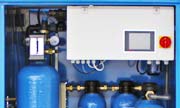
SCM 24
|
|
Cleans 24.000 liters per day
|
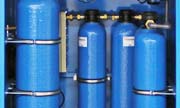
SCM 60
|
|
Cleans 60.000 liters per day
|
Video: How it works
The SCG Advantage
Our market-leading, water cleaning solutions have many advantages. To read more click the items below:
No Chemicals
Our machines and technology does not use any chemicals, at all.
Read more...
No Waste Water
Our machines do not waste any water. Yield = 100%.
Read more...
Low energy use
Uses 50 times less energy than a Reverse Osmosis Machine.
Read more...
Low ownership cost
Lower maintenance and operation costs due to our technology.
Read more...
Easy to install
Simple "plug and play" installation makes for easy deployment.
Read more...
Extremely compact
A compact system, contained in an easy to transport cabinet.
Read more...
Outperforms R.O.
SCG technologies outperform Reverse Osmosis systems.
Read more...
Faster ROI
Get a faster Return on Investment with our systems.
Read more...
Latest News
Latest Blog Posts
| Chemicals in water treatment? |
| Water storage - Whats best for keeping water clean and drinkable? |
| Case: Disaster Management Water Treatment |
Contact SCG
891 Showroom Place
Suite 101
Chula Vista, CA, 91914
Phone: +1 619-878-2730
Contact us by email