








Keeping fire suppression water clear and corrosion under control
Fire suppression systems must remain ready for the moment they are needed. Yet the water held inside sprinkler pipework, hydrant rings, tanks and pump sets can slowly damage the very infrastructure intended to protect a building. Internal rust, sediment, pinhole leaks and blocked sprinkler heads may develop long before an inspection reveals a serious fault.
Treating water for fire suppression systems requires a balance between dependable fire performance and long-term asset protection. For Australian facilities, that means understanding the source water, storage conditions, pipe materials and maintenance obligations before selecting a filtration or purification system.
Why corrosion matters in fire protection
Corrosion consumes steel from the inside out. In a wet-pipe sprinkler network, water may remain stationary for long periods, allowing dissolved oxygen, salts and microbial activity to attack pipe walls. The resulting iron oxide can settle in low points, reduce flow through fittings or collect around sprinkler orifices.
A damaged system can create several costs at once. Leaking pipework may interrupt operations, while replacement work can affect ceilings, stock, production areas and occupied buildings. Rust-coloured discharge also creates concerns during testing. In severe cases, corrosion deposits and tubercles restrict the flow required by hydraulic calculations.
Fire pumps and valves are exposed to the same water quality issues. Fine particles can wear seals, foul strainers and affect pump performance. Galvanic corrosion may occur where dissimilar metals meet, particularly in complex systems assembled over several upgrades. Water treatment cannot replace correct design, but it can reduce a major source of avoidable deterioration.
What makes fire system water aggressive
The risk begins with the water source. Town water may contain disinfectant residuals, hardness minerals and varying levels of chloride. Bore water in inland or regional areas can carry iron, manganese, salinity or naturally occurring contaminants. Rainwater tanks may collect fine roof debris and organic matter, while stagnant stored water can develop biological activity.
Temperature and exposure also influence the corrosion rate. A warm plant room, a sun-heated tank or a pipe section with little circulation can create different conditions within the same installation. Dissolved oxygen, conductivity, pH and oxidation-reduction conditions should be considered together rather than treated as isolated figures.
Australia’s coastal environment adds another layer of concern. Salt-laden air around places such as Brisbane, Sydney, Perth and coastal Queensland can affect external components, while elevated chloride in local supplies may increase the aggressiveness of stored water. A site near the coast does not automatically need the same treatment as a regional bore-water installation, so testing remains essential.
Start with measurement and risk mapping
A practical assessment starts by mapping the complete water path: incoming supply, tanks, make-up lines, pumps, test drains, sprinkler branches and dead legs. Samples from more than one point can reveal whether a problem originates in the source water or develops inside the fire network.
Useful tests may include pH, conductivity, total dissolved solids, chloride, sulphate, hardness, iron, manganese, turbidity and microbiological indicators. Where corrosion is already visible, an engineer or specialist may also examine pipe scale, deposits and corrosion coupons. The aim is to identify the mechanism, not simply to chase discoloured water.
The assessment should include the system’s operating requirements and records. In Australia, inspection and testing practices commonly sit alongside AS 1851 maintenance expectations, while sprinkler and hydrant installations may be designed under relevant parts of AS 2118 and other project requirements. The responsible fire engineer, hydraulic consultant, insurer or authority should approve any change that could affect system reliability or compliance.
Chemical-free treatment options
A chemical-free approach may combine physical filtration, contaminant removal and controlled water management. Mechanical filters can capture suspended solids and rust particles before they circulate through pumps and small passages. Media filtration may reduce iron, manganese or turbidity where the source water contains those contaminants, provided the media is selected from verified test results.
Membrane technologies can provide a higher level of dissolved contaminant reduction, although they require careful design around flow, pressure, reject water and maintenance. In some applications, a compact treatment train can protect a dedicated top-up supply rather than continuously processing the entire firewater volume. This can reduce equipment size and energy demand.
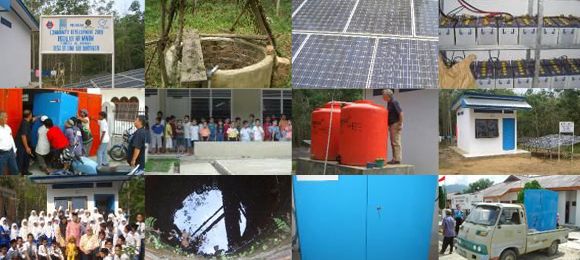
The correct solution depends on the water chemistry and the fire system design. A treatment process marketed as “chemical-free” should still be assessed for flow capacity, pressure loss, backwashing, waste streams and electrical demand. Swiss Cleanwater Group’s Bangladesh case study illustrates how contaminant-specific purification can be delivered without dosing chemicals, though every fire protection project requires its own technical validation.
Designing for Australian conditions
Australian sites often need to manage water scarcity as well as corrosion. A farm outside Toowoomba, a livestock facility in regional Victoria or a remote mining operation may rely on tanks and bores instead of a consistent municipal connection. Treatment equipment must cope with variable source quality, limited operator availability and restricted access to replacement parts.
Bushfire-prone areas also place strong emphasis on dependable private water storage, pumps and emergency access. Firewater tanks may sit outdoors through hot summers, while dust, insects and organic debris enter through vents or poorly protected inlets. Screening, tank hygiene and suitable access for inspection are as important as the treatment unit itself.
Commercial buildings and industrial sites face a different operating model. Facility managers may coordinate fire contractors, water-treatment specialists, building owners and insurers. Any treatment equipment should be installed so it does not compromise required firewater volume, suction conditions, pump duty, alarm functions or test arrangements. Bypass and isolation provisions need clear labelling and controlled access.
Maintaining protection between emergencies
Water treatment is part of a maintenance programme, not a one-off installation. Filters need inspection, pressure-drop checks and timely cleaning or replacement. Storage tanks should be checked for sediment, corrosion, damaged coatings, blocked screens and signs of biological growth. Sampling intervals should reflect the site’s risk, source variability and system history.
Records help reveal gradual change. Trending conductivity, turbidity, iron or chloride can show whether a bore is becoming more saline or a tank is accumulating contamination. A sudden rise in pressure loss across a filter may indicate upstream deterioration, while recurring rust deposits may point to stagnant sections or a compatibility problem between materials.
Fire protection maintenance must remain coordinated with treatment maintenance. During a shutdown, the facility needs a documented impairment procedure and suitable notification process. Treatment equipment should never be isolated casually if doing so changes the approved firewater arrangement. Routine testing, cleaning and water sampling should be planned around the requirements of the fire system designer and the site’s maintenance contractor.
Selecting a treatment partner
A capable supplier should begin with water analysis and a system survey rather than offering a standard filter immediately. The proposal should explain the target contaminants, expected flow, pressure requirements, treatment capacity, drainage or backwash arrangements and the checks needed after installation.
It is also worth asking how the equipment will interact with existing tanks, pumps and pipe materials. A treatment system may be technically effective yet unsuitable if it cannot operate during the available replenishment window or if maintenance access is poor. Clear documentation is particularly valuable for remote Australian facilities where a local operator may need to perform basic checks.
The supplier should be able to discuss sustainable operation in practical terms: reduced chemical handling, limited water wastage, energy consumption, service intervals and end-of-life components. Organisations evaluating a project can contact Swiss Cleanwater Group to discuss water quality data, site conditions and possible treatment configurations.
A well-designed system protects more than pipework. It supports dependable pump operation, cleaner inspection results and longer service life for tanks, valves and sprinklers. It can also help a facility make better use of a difficult bore or stored supply without adding unnecessary chemical dosing to the firewater programme.
For updates about water purification, treatment technology and case studies, readers can manage their newsletter preferences. For a project already showing rust, sediment, blocked strainers or unexplained water-quality changes, arrange a site assessment and laboratory testing before selecting equipment. Early investigation gives fire engineers, maintenance teams and water specialists the information needed to build a reliable, compliant and lower-impact solution.
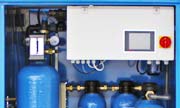
SCM 24
|
|
Cleans 24.000 liters per day
|
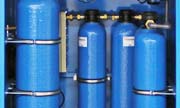
SCM 60
|
|
Cleans 60.000 liters per day
|
Video: How it works
The SCG Advantage
Our market-leading, water cleaning solutions have many advantages. To read more click the items below:
No Chemicals
Our machines and technology does not use any chemicals, at all.
Read more...
No Waste Water
Our machines do not waste any water. Yield = 100%.
Read more...
Low energy use
Uses 50 times less energy than a Reverse Osmosis Machine.
Read more...
Low ownership cost
Lower maintenance and operation costs due to our technology.
Read more...
Easy to install
Simple "plug and play" installation makes for easy deployment.
Read more...
Extremely compact
A compact system, contained in an easy to transport cabinet.
Read more...
Outperforms R.O.
SCG technologies outperform Reverse Osmosis systems.
Read more...
Faster ROI
Get a faster Return on Investment with our systems.
Read more...
Latest News
Latest Blog Posts
| Chemicals in water treatment? |
| Water storage - Whats best for keeping water clean and drinkable? |
| Case: Disaster Management Water Treatment |
Contact SCG
891 Showroom Place
Suite 101
Chula Vista, CA, 91914
Phone: +1 619-878-2730
Contact us by email