






Chemical-Free Water Treatment for Hydroponic Lettuce
Treating water for hydroponic lettuce production without chemical disinfectants requires a carefully designed combination of source-water testing, physical filtration, hygiene controls and dependable monitoring. The aim is to protect delicate roots and leaves while keeping nutrient solution stable, clear and suitable for recirculation. Learn more about No Chemicals.html.
Lettuce has a short growing cycle, so even a small water-quality problem can quickly affect germination, root health, taste and yield. Sediment may block emitters, manganese can stain equipment, and microbial contamination can spread through shared reservoirs and irrigation lines.
Australian growers face varied conditions. A commercial farm near Melbourne may use treated mains water, while a regional operator outside Adelaide may depend on bore water or rainwater tanks. In northern Queensland, warm temperatures can accelerate microbial growth, whereas drought restrictions and water costs influence system design across much of the country.
A suitable treatment strategy should therefore match the local water source, greenhouse scale and production method. Swiss Cleanwater Group provides technologies for reducing contaminants through methods that minimise chemical use, waste and unnecessary energy consumption, making the approach relevant to farms, controlled-environment agriculture and remote installations.
Start with the source water
Before selecting equipment, test the incoming water and the recirculating solution separately. Useful measurements include turbidity, electrical conductivity, pH, alkalinity, hardness, iron, manganese, nitrate, sodium and microbiological indicators. Bore water may contain dissolved minerals, while roof-collected rainwater can carry organic matter, bird waste and fine debris from roofing surfaces.
Municipal water is generally convenient, but its mineral profile and disinfectant residual may vary between locations. Water supplied in Sydney, Brisbane or Perth can have a different hardness and alkalinity balance, affecting how nutrients dissolve and how often growers need to correct pH. Testing also helps distinguish a treatment problem from an inappropriate fertiliser recipe.
Source-water analysis should include seasonal variation. Heavy rain may wash contaminants into tanks, while long dry periods can concentrate salts in bores. A laboratory report creates a baseline for choosing sediment filters, activated carbon, ultrafiltration, reverse osmosis or another suitable barrier instead of relying on a generic cartridge.
Protect roots from suspended and dissolved contaminants
Hydroponic lettuce systems are sensitive to particles because narrow channels, drippers and spray nozzles can clog easily. A staged prefiltration system can remove leaves, sand, rust and other suspended solids before water reaches the nutrient mixing tank. A coarse screen followed by finer filtration usually lasts longer than a single fine filter exposed to the entire contaminant load.
Dissolved substances require a different response. Iron and manganese may precipitate after aeration or pH changes, leaving deposits on tanks and irrigation components. Arsenic, uranium, pesticides and excess salts can require specialised adsorption or membrane treatment. The correct solution depends on concentration, flow rate and whether the treated water is used for mixing, top-up or direct irrigation.
Chemical-free treatment options can be assessed where growers want to avoid adding disinfectant residues to a nutrient stream. Physical separation, ultraviolet treatment and controlled water movement can reduce risks while preserving the grower’s ability to manage nutrient chemistry precisely.
Build a physical treatment train
A practical system often begins with a tank, intake screen and sediment filter. Depending on the test results, it may then include activated carbon, ultrafiltration, reverse osmosis or ultraviolet light. Each stage has a specific purpose: removing particles, reducing organic compounds, separating dissolved contaminants or controlling microorganisms.
Ultraviolet light can inactivate microorganisms without leaving a chemical residual, but it works best when water is clear and the lamp receives the correct dose. Cloudy water, fouled sleeves or excessive flow can reduce performance. UV should therefore be installed after appropriate filtration and monitored according to the manufacturer’s operating requirements.
Membrane treatment can be valuable where salinity or undesirable dissolved compounds threaten crop performance. However, it produces a concentrate stream and uses pressure energy, so the recovery rate and disposal method must be considered. For smaller farms, a targeted treatment stage may be more sustainable than treating every litre to the highest possible purity.
Keep pH and nutrients under control
Clean source water is not automatically ideal nutrient water. Lettuce typically performs within a mildly acidic root-zone range, but the desired pH and electrical conductivity depend on cultivar, crop stage, fertiliser formulation and growing method. Growers should measure the mixed solution after nutrients have dissolved rather than assuming the source-water reading predicts the final result.
Alkalinity is especially important because bicarbonates can push pH upwards over time. If alkalinity is low, pH may shift quickly; if it is high, repeated adjustment may be required. A well-selected filtration process can sometimes reduce the factors causing instability, which is why growers should examine pH adjustment guidance before automatically dosing acid.
Nutrient dosing equipment also needs calibration. Faulty probes, blocked injectors and poorly mixed concentrates can create more crop stress than moderate variation in source water. Record pH, conductivity, tank temperature and top-up volume on a routine schedule, with alarm limits that prompt investigation before plants show visible symptoms.
Control microorganisms without chemical residuals
Avoiding chemical disinfectants does not mean treating hygiene as optional. Pathogens can enter through water, seed, workers’ hands, tools, trays, insects and plant debris. A cleanable system with smooth pipework, accessible tanks and effective drainage reduces places where biofilm can develop.
Physical microbial controls may include ultraviolet treatment, membrane filtration, heat where appropriate, and careful management of reservoir turnover. These methods must be matched to the organism, flow rate and water clarity. A treatment unit designed for drinking water is not automatically validated for recirculating nutrient solution, so performance data and operating limits should be checked.
Separate clean and dirty work areas, remove diseased plants promptly and sanitise tools using a procedure suitable for the growing operation. Since chemical disinfectants are excluded from the water-treatment approach, surface hygiene and crop monitoring become especially important. Staff should understand that clear water is not proof of microbiological safety.
Reduce water loss through automation
Recirculating hydroponics can save substantial water compared with open-field production, but leaks, overflow and frequent filter replacement can erode those gains. Flow meters, tank-level sensors and conductivity alarms help identify abnormal consumption. Automated top-up should include safeguards so that a faulty sensor cannot flood a growing area or dilute the nutrient solution.
Backwashing is another important operating task. Filters that are cleaned too late may restrict flow and increase pump energy, while filters backwashed too frequently waste water. Automated backwash controls can use pressure differential, time or measured turbidity to initiate cleaning. Experience with automated backwash systems is relevant to farms operating with limited labour or remote oversight.
Remote Australian properties may need equipment that continues operating during intermittent connectivity. Local alarms, manual bypasses, spare filter elements and clear maintenance intervals provide resilience. A system that is simple to inspect is often more reliable than a highly complex installation that no one on site can service.
Meet Australian production requirements
Water used for fresh lettuce must be managed as part of a broader food-safety program. Growers should follow the requirements applying to their state, market and certification scheme, including relevant obligations under the Australia New Zealand Food Standards Code. If recycled water, treated wastewater or a non-potable source is proposed, approvals and documented risk controls may be required by the relevant state or territory authority.
The water-treatment system should also support traceability. Keep records of laboratory results, filter changes, UV lamp replacement, calibration, maintenance, corrective actions and microbiological testing. Retailers and food-service buyers may request evidence that irrigation water, harvest handling and worker hygiene are controlled.
Equipment materials matter as well. Tanks, pipework, membranes and fittings should be suitable for nutrient solutions and agricultural use, with no unwanted leaching or corrosion. Local installers should account for Australian electrical requirements, climate exposure, bushfire considerations where relevant and the practical availability of replacement parts.
A staged commissioning process reduces risk. Begin with source-water testing, then run treated water through the system before adding crops. Confirm flow, pressure, filtration performance, UV operation, pH stability and nutrient dosing. After planting, compare treated and recirculating water results so the system can be adjusted to real crop conditions rather than theoretical assumptions.
For Australian hydroponic lettuce growers, Swiss Cleanwater Group can help assess a water-treatment pathway suited to the source, scale and operating environment. Explore the company’s treatment technologies and contact its team to discuss a practical design for cleaner irrigation water, reduced chemical dependence and dependable crop production.
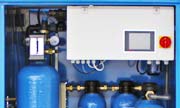
SCM 24
|
|
Cleans 24.000 liters per day
|
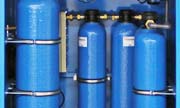
SCM 60
|
|
Cleans 60.000 liters per day
|
Video: How it works
The SCG Advantage
Our market-leading, water cleaning solutions have many advantages. To read more click the items below:
No Chemicals
Our machines and technology does not use any chemicals, at all.
Read more...
No Waste Water
Our machines do not waste any water. Yield = 100%.
Read more...
Low energy use
Uses 50 times less energy than a Reverse Osmosis Machine.
Read more...
Low ownership cost
Lower maintenance and operation costs due to our technology.
Read more...
Easy to install
Simple "plug and play" installation makes for easy deployment.
Read more...
Extremely compact
A compact system, contained in an easy to transport cabinet.
Read more...
Outperforms R.O.
SCG technologies outperform Reverse Osmosis systems.
Read more...
Faster ROI
Get a faster Return on Investment with our systems.
Read more...
Latest News
Latest Blog Posts
| Chemicals in water treatment? |
| Water storage - Whats best for keeping water clean and drinkable? |
| Case: Disaster Management Water Treatment |
Contact SCG
891 Showroom Place
Suite 101
Chula Vista, CA, 91914
Phone: +1 619-878-2730
Contact us by email