







Case study: a food plant recycles wash water without chemicals
A food processing plant in regional Victoria was using large volumes of potable water to wash equipment, floors, crates and production areas. Much of this water contained suspended solids, organic matter and traces of process residues, so it was sent to trade-waste drainage after a single use. Rising water charges, tighter discharge expectations and pressure to reduce the site’s environmental footprint created a strong business case for water recovery.
The plant’s management wanted a practical solution that would protect hygiene standards without adding chemical dosing to an already complex operation. Working with Swiss Cleanwater Group, the site introduced a chemical-free treatment train for selected wash-water streams. The treated water is now reused for appropriate non-product-contact tasks, reducing mains demand and lowering the volume of wastewater leaving the premises.
The plant’s water challenge
The facility processes fresh produce and prepared foods for supermarkets and hospitality customers. Its daily cleaning programme includes pre-rinsing, foam-free equipment washing, crate cleaning and hard-surface sanitation. Water demand peaks after production runs, when staff must clean conveyors, drains, floors and transfer equipment before the next shift begins.
Before the project, wash water flowed into the site’s wastewater system with limited recovery. The plant also relied on town water for tasks that did not require drinking-water quality, such as first-stage floor rinsing and external yard cleaning. During dry periods, this approach became increasingly difficult to justify, particularly in a region where farming, households and industry compete for limited water resources.
The site’s operators were careful to separate water reuse from food safety. Water intended for direct contact with ingredients, food-contact surfaces or final rinsing remained subject to the plant’s established potable-water controls. The recycling project focused on carefully selected applications where treated water could be used safely under the site’s hazard analysis and sanitation procedures.
Designing a fit-for-purpose recycling loop
The first stage was to map the plant’s water flows. Clean final-rinse water was kept separate from heavily contaminated wash-down water, while drains from toilets, kitchens and high-risk production zones were excluded. This reduced the treatment burden and prevented unsuitable streams from entering the recovery system.
A balance tank collected the approved wash-water fraction before filtration and conditioning. Screening removed larger particles such as food fragments, labels and packaging fibres. Finer treatment then targeted turbidity, bacteria and dissolved contaminants, with the system configured around the plant’s actual water analysis rather than a generic specification.
Chemical-free treatment was important for operational and environmental reasons. The plant did not want to store oxidising agents, manage dosing pumps or create a residual chemical stream requiring additional control. Swiss Cleanwater Group systems use physical and electrochemical treatment principles to reduce contaminants without routine chemical addition, excessive energy consumption or the production of concentrated reject water.
How the technology supports reuse
The recovered water passes through a controlled treatment sequence designed to improve clarity and microbiological quality. Depending on the source water and reuse target, the process can combine pre-filtration, oxidation, disinfection and polishing stages. Each stage has a defined role, allowing the plant to treat wash water consistently instead of relying on dilution or repeated disposal.
Monitoring points were installed before and after treatment. Operators check flow, turbidity and other agreed indicators, while scheduled laboratory testing verifies that the recycled supply remains suitable for its approved uses. Automatic diversion sends water to the drain if readings move outside the operating range, protecting both production and the reuse system.
The approach follows the same principle used in other sensitive applications: contamination must be controlled at source, and the treatment method must match the risk. Swiss Cleanwater Group’s discussion of chemical-free Legionella control illustrates how treatment design, monitoring and end-use controls work together when water quality is critical.
Results from the food processing site
After commissioning, the plant used treated water for initial equipment rinsing, floor washing, crate pre-cleaning, vehicle wash-down and selected outdoor applications. These activities consumed a substantial volume but did not require water intended for drinking or final food-contact rinsing. The site retained potable water for higher-risk tasks while using the recovered supply where it delivered a safe and practical benefit.
The project reduced mains-water demand and cut the volume of wash water entering the trade-waste system. The exact saving varied with production schedules, seasonal throughput and cleaning intensity, but the largest benefits appeared during extended production runs. Less wastewater also meant fewer pumping and disposal demands, helping the plant control operating costs as local water and trade-waste charges changed.
Energy use was kept under review because a recycling project must deliver a sound whole-of-site result. The selected system was sized for the plant’s peak recovery window rather than its theoretical maximum flow. This avoided unnecessary oversizing and allowed the treatment equipment to operate efficiently during the periods when wash water was most available.
Meeting Australian operational requirements
Australian food businesses must manage recycled water carefully under their food safety programme and relevant state requirements. In Victoria, the plant’s environmental and trade-waste obligations were considered alongside the expectations of local water authorities. The reuse plan documented source streams, treatment barriers, storage arrangements, monitoring duties and approved end uses.
The site also considered guidance linked to the Food Standards Code and the requirements of Food Standards Australia New Zealand. Recycled water was clearly identified in procedures, pipework and staff training. Colour coding and backflow prevention helped prevent cross-connections between the recovered-water network and the potable supply.
Local conditions influenced the design. Melbourne and regional Victorian businesses have experienced strong pressure to conserve water, while drought planning across Australia has made industrial water efficiency a routine management issue rather than a short-term response. In Perth, where rainfall and groundwater conditions create a different supply context, similar projects may place greater emphasis on reducing scheme-water demand and protecting limited water resources.
Storage time was another important consideration. Treated water was not held indefinitely; tank capacity and turnover were selected to match cleaning cycles. This helped maintain stable quality and avoided the risks associated with stagnant storage, particularly in Australia’s warmer summer conditions.
A practical model for other facilities
The project showed that industrial water recycling does not need to begin with a whole-site conversion. A staged approach can start with one reliable wash-water stream and a limited number of reuse points. Once operators gain confidence in monitoring, maintenance and staff procedures, additional applications can be assessed.
The plant also found that staff involvement was essential. Cleaning teams received clear instructions about which hoses and outlets used recycled water, which areas required potable water and what to do if an alarm or automatic diversion occurred. Simple procedures reduced confusion and helped make water recovery part of normal production rather than a separate environmental initiative.
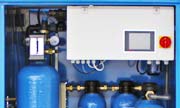
Equipment selection must reflect the scale and variability of the operation. For smaller facilities or decentralised applications, a compact unit such as the SCM 24 water treatment machine may be considered as part of a broader assessment. Larger plants may need several treatment stages, buffer tanks and automated controls. In every case, the source water, target quality, flow rate and reuse purpose should be evaluated together.
The wider lesson is that chemical-free wash-water recycling can support water security, cost control and responsible production when it is designed around actual site risks. For Australian food processors, the strongest results come from combining fit-for-purpose treatment with separation of water streams, documented controls and regular verification.
If your facility is reviewing water consumption, trade-waste volumes or production resilience, Swiss Cleanwater Group can assess the available wash-water streams and identify suitable reuse opportunities. Contact the team to discuss a site-specific treatment concept for food processing, industrial cleaning or other demanding applications.
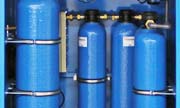
SCM 24
|
|
Cleans 24.000 liters per day
|
SCM 60
|
|
Cleans 60.000 liters per day
|
Video: How it works
The SCG Advantage
Our market-leading, water cleaning solutions have many advantages. To read more click the items below:
No Chemicals
Our machines and technology does not use any chemicals, at all.
Read more...
No Waste Water
Our machines do not waste any water. Yield = 100%.
Read more...
Low energy use
Uses 50 times less energy than a Reverse Osmosis Machine.
Read more...
Low ownership cost
Lower maintenance and operation costs due to our technology.
Read more...
Easy to install
Simple "plug and play" installation makes for easy deployment.
Read more...
Extremely compact
A compact system, contained in an easy to transport cabinet.
Read more...
Outperforms R.O.
SCG technologies outperform Reverse Osmosis systems.
Read more...
Faster ROI
Get a faster Return on Investment with our systems.
Read more...
Latest News
Latest Blog Posts
| Chemicals in water treatment? |
| Water storage - Whats best for keeping water clean and drinkable? |
| Case: Disaster Management Water Treatment |
Contact SCG
891 Showroom Place
Suite 101
Chula Vista, CA, 91914
Phone: +1 619-878-2730
Contact us by email