








Chemical-free filtration for swimming pools in temperate climates
The benefits of chemical-free filtration for swimming pools in temperate climates extend beyond clearer water. Physical separation, adsorption and validated membrane stages can remove sediment, suspended solids and selected contaminants without adding coagulants or oxidants. This is particularly useful when fill water, rainfall or seasonal debris overload a conventional pool filter.
“Chemical-free” describes the treatment stage, not the absence of safe pool hygiene. Swimmers, dust, leaves and mains water can introduce bacteria, while chlorinated systems can form disinfection by-products. Physical filtration may capture some organisms, but it does not replace validated disinfection for pathogen control. Strong results come from layered treatment: physical purification reduces the burden, and an approved process maintains the required residual.
For Australian pool water treatment, the appeal is practical: potentially lower chemical consumption, dependable clarity, simpler water balance and filtration that need not rely on continuous chemical dosing. These outcomes depend on source water, climate and use. Melbourne, Sydney, Adelaide and Canberra face different seasonal pressures, so one specification should not be copied blindly across the country.
Why pool water changes through temperate seasons
Temperate climates produce transitions rather than one stable operating condition. Spring rain carries pollen, soil and roof debris into outdoor pools; summer heat increases evaporation and concentrates minerals; autumn leaves raise organic load; winter reduces use while pipework remains exposed to corrosion. Each change alters filtration demand, disinfectant demand and water chemistry.
Melbourne moves from cool, wet winters to hot, windy summers, while Sydney’s humid coast brings heavy rain, salt aerosols and frequent use. Adelaide has dry summers, dust and high evaporation, and Canberra’s cold winters can leave pools idle for months. These conditions affect contaminant entry, water loss and treatment run time, so seasonal operating data belongs in the design brief.
Fill-water quality can be decisive. Bore water may contain iron, manganese or arsenic in some areas, while shallow groundwater can carry sediment. Rainwater harvested into tanks may introduce dust, leaves or agricultural contaminants. Physical filtration can protect the pool from these inputs, but technology should follow laboratory results rather than appearance alone.
What chemical-free filtration can remove
Physical filtration retains particles on a medium or membrane, or binds selected contaminants to an active surface. Fine systems can capture the sediment and colloids that create haze, while media chosen for a specific metal can reduce dissolved manganese, arsenic or uranium. Removal depends on the selected configuration, concentration, flow and maintenance, so procurement needs contaminant-specific performance data.
Coagulants such as aluminium-based salts are often used to gather tiny particles into larger flocs. Avoiding that addition can simplify dosing and prevent coagulant residue entering the pool. It can also make the balance between incoming alkalinity, filtration and disinfection easier to control when variable fill water would otherwise force frequent adjustments.
Microbial claims require particular care. A filter validated for manganese is not automatically validated for bacteria, pesticides or uranium, and pore size alone does not establish pathogen safety. Each hazard needs suitable media or membrane treatment, confirmation testing and, where required, complementary disinfection. Testing raw and treated water is part of the design, not an optional extra.
Operational and environmental benefits
The clearest operational gain is lower turbidity. Removing sand, dust and organic debris before they lodge in pipes helps water stay clearer, makes filter inspections more meaningful and reduces circulation resistance. Better solids control can also lessen staining and disruptive cleaning, provided the equipment is correctly sized and maintained.
The chemical footprint may fall too. By lowering the particle and organic load that consumes oxidant, physical pretreatment can help a chlorine system hold a stable residual with fewer corrective additions. This does not remove the obligation to disinfect; it avoids unnecessary chemical escalation and improves control during heavy use or poor fill-water events.
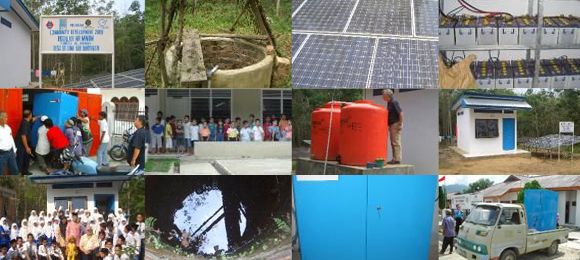
Energy and water use depend on hydraulic design. Gravity-fed or low-energy flow, appropriately sized pumps and variable-speed control can limit electricity demand, while pretreatment can reduce backwash frequency. Swiss Cleanwater Group’s livestock example of sustainable water systems shows the value of matching filtration to source conditions, operating demand and waste-handling constraints rather than adopting a fixed specification.
Comparing treatment roles in Australian pools
Filtration and disinfection solve different problems, so treating them as direct substitutes can lead to poor purchasing decisions. Their roles, inputs and limitations need to be compared before equipment is combined.
| Consideration | Chemical-free physical filtration | Sand or cartridge media | Chlorine or salt disinfection |
|---|---|---|---|
| Main role | Removes suspended material and selected contaminants | Captures debris and sediment in the pool circuit | Inactivates many pathogens and oxidises organics |
| Chemical input | No coagulant or oxidant added at this stage | Usually none; polymer aids may be specified | Chlorine is added directly or generated from salt |
| Residues | Filter media replacement or backwash may still be required | Backwash carries captured solids | Oxidation by-products may form; salt systems add chloride |
| Energy | Can use gravity or low-energy flow when well designed | Pump and backwash demand depend on capacity | Mainly depends on circulation, pumping and dosing |
| Maintenance | Checks, cleaning and water testing | Backwashing and media replacement | Residual testing, pH control and equipment upkeep |
| Best fit | Fill-water pretreatment and turbidity control | Routine solids removal in the main loop | Validated hygiene control alongside filtration |
In Australia, these methods are usually complementary. AS 2828.0 and AS 2828.1 address water safety for swimming pools and spas, while councils and public-pool operators may impose extra monitoring and record-keeping duties. Chemical-free filtration should not be positioned as a substitute for those requirements; it can improve physical water quality and reduce the load handled by disinfection.
For hotels, schools, aquatic centres and other public venues, evidence matters more than a broad environmental claim. Procurement documents should identify the target contaminant, test method, rated flow, maintenance cycle and residual-disinfection assumptions. “Chemical-free” is useful only when those performance boundaries are explicit.
Climate and market conditions across Australia
Australian climate and market conditions should shape the final specification. Melbourne’s hard bore supplies in some areas and its water restrictions favour systems that handle variable fill quality without wasting treated water. Sydney’s humidity and rainfall demand reliable solids capture. Adelaide’s dust, heat and evaporation increase filtration and water-level demands, while Canberra’s freezing winters raise questions about freeze protection, idle periods and heating.
Rainwater tanks are common in regional Australia, yet a pool filled after heavy rain may receive more sediment than expected. During drought restrictions, extending the life of pool water makes pretreatment valuable. The local market’s widespread use of salt-chlorine systems and variable-speed pumps means chemical-free filtration should integrate with familiar controls rather than create a separate plant room that is difficult to operate.
Site type also affects demand. A family pool sees short, intense use; a hotel pool faces heavier loading; an industrial or livestock operation may need high-capacity pretreatment; and mobile or military applications depend on compactness and rapid deployment. Flow, footprint, redundancy and service access should reflect that use rather than a generic swimming-pool profile.
Planning a site-specific filtration strategy
A robust design begins with source-water analysis for contaminants actually present, including metals, turbidity, salts, microbes and relevant organic compounds. Engineers then size flow around pool volume, peak circulation, fill rate and local restrictions. Filter area, media, pumps, rinsing or backwash capture, drainage, noise and service access must be resolved together.
Pilot testing is valuable where source quality varies or the application is unfamiliar. It should measure capture performance, hydraulic losses, cleaning frequency and operator workload at realistic flow. During commissioning, controls can be coordinated with chlorinators, heating, automation and telemetry, then tightened using operating data.
Swiss Cleanwater Group can support local technical coordination through its office locations, helping site owners identify the right contact for engineering, supply and application questions. Plumbing, water-authority rules, climate and pool classifications still need to be checked locally.
Ready to build a pool water system around the actual source and operating conditions? Request a site-specific assessment that includes contaminant testing, hydraulic sizing, disinfection integration and maintenance planning. The result is a practical chemical-free filtration stage designed for Australian conditions, with clear performance boundaries and a sustainable operating approach.
Contact Swiss Cleanwater Group to discuss municipal, commercial, residential, agricultural, industrial, livestock, mobile or military applications. A tailored filtration plan helps protect water quality while reducing avoidable chemical use, waste and energy demand.
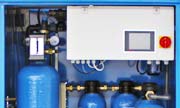
SCM 24
|
|
Cleans 24.000 liters per day
|
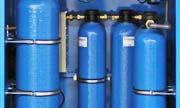
SCM 60
|
|
Cleans 60.000 liters per day
|
Video: How it works
The SCG Advantage
Our market-leading, water cleaning solutions have many advantages. To read more click the items below:
No Chemicals
Our machines and technology does not use any chemicals, at all.
Read more...
No Waste Water
Our machines do not waste any water. Yield = 100%.
Read more...
Low energy use
Uses 50 times less energy than a Reverse Osmosis Machine.
Read more...
Low ownership cost
Lower maintenance and operation costs due to our technology.
Read more...
Easy to install
Simple "plug and play" installation makes for easy deployment.
Read more...
Extremely compact
A compact system, contained in an easy to transport cabinet.
Read more...
Outperforms R.O.
SCG technologies outperform Reverse Osmosis systems.
Read more...
Faster ROI
Get a faster Return on Investment with our systems.
Read more...
Latest News
Latest Blog Posts
| Chemicals in water treatment? |
| Water storage - Whats best for keeping water clean and drinkable? |
| Case: Disaster Management Water Treatment |
Contact SCG
891 Showroom Place
Suite 101
Chula Vista, CA, 91914
Phone: +1 619-878-2730
Contact us by email