







How to Treat Water for a Fish Farm Without Harming Aquatic Life
Healthy fish depend on water that is chemically stable, biologically balanced, and free from harmful contaminants. Treatment must remove threats without stripping essential minerals, damaging beneficial microorganisms, or exposing fish to sudden changes in temperature, pH, oxygen, or salinity.
A successful aquaculture water-treatment system therefore begins with the species, life stage, stocking density, and production method. Trout, tilapia, carp, salmon, ornamental fish, and shrimp each tolerate different conditions. Recirculating aquaculture systems also have different requirements from ponds, raceways, cages, and flow-through farms.
The safest approach combines source-water testing, gradual treatment, mechanical filtration, biological purification, and continuous monitoring. Chemical inputs should be limited to carefully controlled applications, while equipment should be sized to maintain water quality during feeding, growth, harvesting, and seasonal changes.
Water Quality Starts With Fish Biology
Fish are highly sensitive to changes in their environment. Ammonia released through gills and decomposing feed can become toxic, especially when pH and temperature rise. Nitrite interferes with oxygen transport in the blood, while low dissolved oxygen can cause stress before visible signs appear. Suspended solids may damage gills, reduce feeding activity, and carry pathogens through the system.
Treatment objectives should reflect the farm’s biological load. A lightly stocked pond may need sediment control and aeration, while a recirculating system requires solids removal, biofiltration, degassing, oxygen management, and frequent monitoring. The goal is not to create chemically sterile water. It is to maintain conditions that support fish metabolism and useful microbial communities.
Rapid improvement can be dangerous. A sudden pH correction, large temperature shift, or abrupt reduction in hardness may be more harmful than a moderately elevated reading. Water changes and treatment adjustments should be gradual, with treated water blended into the production system at a controlled rate.
Test Before Choosing Treatment
A reliable treatment plan begins with a baseline analysis of the source and culture water. Essential measurements include temperature, pH, dissolved oxygen, alkalinity, hardness, conductivity, ammonia, nitrite, nitrate, turbidity, and total suspended solids. Depending on the location, testing may also need to cover iron, manganese, arsenic, pesticides, uranium, bacteria, and other contaminants.
Source-water quality can change after rainfall, drought, flooding, agricultural runoff, or changes in groundwater levels. Samples should be collected at the intake, after treatment, and inside representative tanks or ponds. Comparing these points reveals whether a filter is removing contaminants effectively or whether pollution is entering later in the process.
Laboratory analysis is valuable for identifying dissolved contaminants that basic field meters cannot detect. On-site instruments are useful for continuous control of temperature, oxygen, pH, conductivity, and oxidation-reduction conditions. Together, laboratory testing and routine measurements provide a clearer basis for equipment selection and operating limits.
Choose Gentle Removal Methods
Mechanical filtration should usually come first. Screens, drum filters, settling chambers, hydrocyclones, and properly designed media filters remove uneaten feed, feces, algae, and other particles before they break down into ammonia. Removing solids early reduces the load on biological filters and improves clarity without exposing fish to treatment chemicals.
Biofilters then convert toxic ammonia into nitrite and nitrate through nitrification. Their bacteria need oxygen, alkalinity, surface area, and stable flow. A new biofilter must be matured before it receives a full fish load. Cleaning should preserve the biological film; untreated chlorinated water or aggressive scrubbing can destroy the organisms that make the system safe.
Different treatment technologies serve different water-quality problems. The following comparison helps match a method to its purpose while keeping aquatic safety in view.
| Treatment method | Main purpose | Aquatic-life precautions |
|---|---|---|
| Screen or drum filter | Removes suspended solids and waste | Prevent clogging and maintain adequate flow |
| Settling tank | Separates heavier particles | Remove sludge before decomposition produces ammonia |
| Biological filter | Converts ammonia and nitrite | Protect bacterial colonies and maintain oxygen and alkalinity |
| Aeration or oxygenation | Raises dissolved oxygen and strips gases | Avoid excessive turbulence, supersaturation, and gas bubble disease |
| Activated carbon | Reduces some organic compounds, odors, and residues | Replace or regenerate media before contaminant release |
| UV disinfection | Inactivates microorganisms in clear water | Control turbidity and avoid treating water with insufficient UV dose |
| Ozone | Oxidizes organic matter and improves clarity | Use off-gas control and verify residual ozone is absent before fish exposure |
| Membrane filtration | Removes fine particles, salts, or selected dissolved contaminants | Manage concentrate, pressure, mineral balance, and membrane cleaning |
Activated carbon, ion exchange, and specialized filtration media can be useful when pesticides, unusual organic compounds, or metals threaten production. Media selection should be based on verified water chemistry. A filter designed for iron or manganese may not remove a pesticide, and a system that reduces one contaminant may alter pH or mineral balance.
Manage Disinfection Without Residual Toxicity
Disinfection is sometimes needed for incoming water, equipment, quarantine tanks, or disease-control protocols. Ultraviolet treatment can inactivate many microorganisms without leaving a chemical residue, provided the water is clear enough and the unit receives the correct flow rate and UV dose. Quartz sleeves, lamps, and sensors require regular inspection.
Ozone can improve water clarity and oxidize organic compounds, but it demands careful engineering. Any residual ozone entering a fish tank can damage gills and cause severe stress. A properly designed system uses contact time, degassing, oxidation-reduction monitoring, and a safe return path before treated water reaches stock.
Chlorine and other disinfectants may have a role in empty systems, incoming water, or equipment sanitation, yet they must never be allowed to reach fish at harmful concentrations. Dechlorination, adequate contact control, and verification with a suitable test method are essential. Disinfection should target a defined risk rather than become a routine response to every water-quality fluctuation.
Aeration is equally important after filtration and disinfection. Pumps, waterfalls, diffusers, oxygen cones, and low-head oxygenation devices can restore dissolved oxygen, but excessive agitation may drive off carbon dioxide too quickly or create unwanted supersaturation. The system should be evaluated as a whole, including pipe design, head pressure, temperature, and peak oxygen demand.
Reduce Waste Through Water Recovery
A water-efficient fish farm can reuse treated water while reducing intake volumes and discharge. Solids should be separated before water enters biological treatment, and sludge should be handled independently rather than returned to culture tanks. Reuse systems need sufficient hydraulic capacity for feeding peaks, filter backwashing, harvest operations, and emergency bypasses.
Water recovery should preserve the parameters fish need. Excessive reuse can allow nitrate, dissolved organic matter, salts, or trace contaminants to accumulate. Periodic partial replacement, selective filtration, and source-water blending may be preferable to continuous replacement or complete system discharge. Guidance on industrial process water reuse can help operators assess recovery, waste reduction, and operating-cost controls that also apply to intensive aquaculture.
Backwash water and concentrated waste streams require their own management plan. Discharging them untreated can harm nearby rivers, wetlands, or groundwater. Settling, dewatering, biological treatment, or approved off-site disposal may be necessary, depending on local rules and the material removed from the farm.
Extend Equipment Life Safely
Treatment performance depends on maintenance as much as initial design. Filters lose capacity when solids accumulate, UV systems become less effective when lamps age, and membranes foul when pretreatment is inadequate. A maintenance schedule should identify pressure differences, flow reduction, turbidity changes, unusual odors, and shifts in treated-water chemistry.
Media regeneration can lower replacement waste and maintain consistent performance when the medium is suitable for regeneration. Operators should follow validated procedures and ensure that regeneration chemicals or rinsing water cannot enter fish tanks. Proper filtration media regeneration also helps control operating costs while reducing the environmental burden of spent media.
Equipment must be sized for real operating conditions rather than average flow alone. A farm should account for maximum biomass, warm-weather oxygen demand, cleaning cycles, future expansion, and power interruptions. Backup aeration, emergency storage, alarms, and bypass arrangements can prevent a treatment failure from becoming a stock-loss event.
Build Daily Safeguards Into Operations
Monitoring should combine automatic alarms with human observation. Fish behavior often provides an early warning: gasping at the surface, crowding near inflows, reduced feeding, unusual swimming, or sudden lethargy may indicate oxygen, ammonia, temperature, or contamination problems. Records make it easier to connect these signs with feeding rates, cleaning, rainfall, or equipment changes.
A practical operating routine can include the following controls:
- Measure dissolved oxygen, temperature, and pH at defined times and during critical production events.
- Test ammonia, nitrite, alkalinity, and turbidity frequently enough to detect trends before they become emergencies.
- Inspect screens, pumps, diffusers, UV units, valves, and alarms according to a written schedule.
- Quarantine new stock and prevent untreated surface water, tools, footwear, or vehicles from introducing pathogens.
- Keep a response plan for power failure, pump breakdown, chemical exposure, extreme weather, and sudden mortality.
Mobile treatment equipment can support temporary farms, remote sites, emergency water supplies, and military or disaster-response operations. A mobile water treatment case study demonstrates how compact units can provide independence where permanent infrastructure is limited. For aquaculture, mobility is useful when a farm needs a temporary intake system, seasonal production support, or rapid replacement capacity.
Make Water Safety Part of Farm Design
The best treatment strategy is integrated into the farm before tanks are stocked. Intake protection, hydraulic separation, filtration, aeration, biosecurity, waste handling, and monitoring should work as one system. This avoids relying on a single device to correct problems created elsewhere in the process.
Swiss Cleanwater Group’s experience with contaminant removal and sustainable water treatment can support projects that need low-chemical purification, targeted filtration, or water reuse. A site-specific assessment should connect laboratory results with fish biology, local regulations, energy availability, and discharge requirements.
Document the treatment stages, operating limits, cleaning procedures, alarm responses, and sampling schedule. Then validate the system with measured results rather than assumptions. Contact a qualified water-treatment specialist to evaluate the farm’s source water and design a fish-safe purification process that protects stock, reduces waste, and supports dependable production.
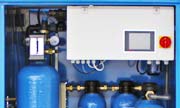
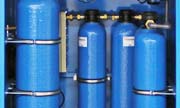
SCM 24
|
|
Cleans 24.000 liters per day
|
SCM 60
|
|
Cleans 60.000 liters per day
|
Video: How it works
The SCG Advantage
Our market-leading, water cleaning solutions have many advantages. To read more click the items below:
No Chemicals
Our machines and technology does not use any chemicals, at all.
Read more...
No Waste Water
Our machines do not waste any water. Yield = 100%.
Read more...
Low energy use
Uses 50 times less energy than a Reverse Osmosis Machine.
Read more...
Low ownership cost
Lower maintenance and operation costs due to our technology.
Read more...
Easy to install
Simple "plug and play" installation makes for easy deployment.
Read more...
Extremely compact
A compact system, contained in an easy to transport cabinet.
Read more...
Outperforms R.O.
SCG technologies outperform Reverse Osmosis systems.
Read more...
Faster ROI
Get a faster Return on Investment with our systems.
Read more...
Latest News
Latest Blog Posts
| Chemicals in water treatment? |
| Water storage - Whats best for keeping water clean and drinkable? |
| Case: Disaster Management Water Treatment |
Contact SCG
891 Showroom Place
Suite 101
Chula Vista, CA, 91914
Phone: +1 619-878-2730
Contact us by email