








Ozone or Catalytic Media for Cleaner Swimming Pool Water
Swimming pool water treatment must balance hygiene, swimmer comfort, operating cost, and environmental responsibility. A clear pool is not automatically a safe pool: bacteria, organic residues, metals, chloramines, and other dissolved contaminants can remain even when the water looks bright.
Ozone and catalytic media address different parts of this treatment challenge. Ozone is a powerful oxidant that reacts with many organic compounds and microorganisms, while catalytic media provides a contact surface designed to capture or transform selected contaminants as water passes through a filter.
The right choice depends on water chemistry, pool usage, flow rate, existing disinfection, and the substances entering the circuit. A well-designed installation may use one technology, or combine several treatment stages to reduce the burden on conventional chlorine systems.
Pool Water Treatment Goals
A swimming pool requires continuous control rather than occasional purification. Disinfection protects bathers from pathogens, filtration removes suspended particles, and circulation prevents stagnant zones. Chemical balance also matters because pH, alkalinity, temperature, and organic loading influence how effectively the system performs.
Many pools experience problems caused by sweat, cosmetics, sunscreen, leaves, dust, and cleaning products. These materials consume disinfectant and can contribute to unpleasant odours or chloramine formation. In hard-water regions, iron and manganese may stain surfaces, while metals from source water or corroding equipment can affect appearance and water quality.
Ozone and catalytic filtration should therefore be assessed as treatment components within a complete water management strategy. Neither technology removes the need for appropriate circulation, monitoring, or a reliable residual disinfectant where local regulations require one.
How Ozone Treats Pool Water
Ozone is generated on site from oxygen and injected into the recirculating water. As an unstable form of oxygen, it reacts rapidly with many organic substances and can inactivate a broad range of microorganisms. A properly sized ozone contact system can help break down bather waste before it reaches the main pool basin.
One benefit is the reduction of oxidizable contaminants that place demand on chlorine or another residual sanitizer. This can support clearer water and reduce the compounds associated with strong “chlorine” odours. Ozone can also assist with colour and taste control in connected water systems, although swimming pool applications require careful engineering and safety controls.
Ozone has a short life in water, which is useful for avoiding long-term accumulation but means it cannot provide a lasting disinfectant residual throughout the pool. The installation needs an injector, contact vessel, off-gas management, and controls that prevent unsafe ozone exposure in occupied areas. Operators should also monitor bromate risk where bromide is present, particularly in warm or highly mineralised water.
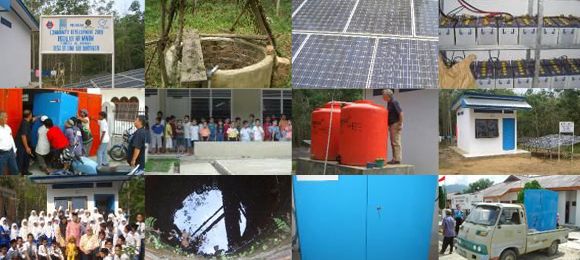
Experience in other water-treatment applications demonstrates why process design matters. For example, sustainable purification methods are selected according to the contaminants, flow conditions, and intended water use rather than by technology name alone.
How Catalytic Media Works
Catalytic media is installed in a pressure vessel or filter housing. Its surface promotes a reaction, adsorption process, or oxidation step that targets specific substances in the water. The term can refer to several media types, including catalytic carbon, manganese dioxide-based media, and specialised materials designed for metals or organic compounds.
Catalytic carbon is often considered when the goal is to reduce organic compounds, odours, or certain disinfectant by-products. Manganese dioxide media is commonly associated with iron and manganese removal, usually with a suitable oxidant and operating conditions. Other media may be engineered for arsenic, sediment, or particular industrial contaminants. The specification must match the actual water analysis.
Compared with ozone, a media filter is generally easier to understand as a physical treatment stage: water passes through a bed, contaminants react with or attach to the media, and the vessel requires backwashing or another maintenance cycle. Media capacity is finite, and performance can decline if the bed becomes fouled or if competing contaminants consume its active sites.
Zero-waste design principles are relevant beyond pools as well. A textile treatment case study illustrates how contaminant loads, water reuse, and discharge limits influence the selection of a treatment process. Pool operators can apply the same thinking by measuring what enters the water and where the treatment residues go.
Comparing Ozone and Catalytic Media
The two approaches differ in their operating mechanism and maintenance profile. Ozone creates an active oxidant during operation, whereas catalytic media relies on the properties of a fixed bed. A pool with a high organic load may benefit from oxidation, while a source-water issue involving metals may require targeted filtration.
The table below provides a practical starting point. Actual results depend on equipment sizing, contact time, pH, temperature, turbidity, contaminant concentration, and the quality of the upstream filtration stage.
| Consideration | Ozone treatment | Catalytic media |
|---|---|---|
| Main action | Oxidation and microbial inactivation in a controlled contact stage | Adsorption, catalytic reaction, or contaminant capture in a media bed |
| Strongest use cases | Organic load, odour control, colour reduction, supplemental disinfection | Iron, manganese, selected organics, metals, and site-specific contaminants |
| Residual protection | Generally none after ozone decomposes | None unless paired with a separate disinfectant |
| Equipment | Ozone generator, injector, contact vessel, off-gas control, sensors | Vessel, media bed, valves, flow controls, and backwash arrangement |
| Maintenance | Generator checks, injector cleaning, off-gas inspection, sensor calibration | Backwashing, media inspection, pressure monitoring, and periodic replacement |
| Waste stream | Usually limited, though off-gas and concentrate management must be considered | Backwash water may contain captured contaminants |
| Key design risk | Excess ozone exposure or unwanted oxidation by-products | Incorrect media selection, fouling, channeling, or exhausted capacity |
| Best role in a pool | Supplemental oxidation within a monitored circulation loop | Targeted polishing or source-water conditioning |
Choosing a System for the Site
The first step is a water analysis covering pH, alkalinity, hardness, turbidity, iron, manganese, organic load, and any known pollutants. For a public or commercial pool, operating data should also include bather numbers, turnover rate, water temperature, make-up water volume, and cleaning frequency. Without this information, a treatment system may be oversized, undersized, or aimed at the wrong problem.
Ozone is often attractive where the main concern is organic contamination and chloramine management. It can reduce the workload placed on conventional disinfection, but it requires electrical power, technical safeguards, and an appropriate contact chamber. The system should be integrated with ventilation and control equipment, especially in indoor pool halls.
Catalytic media is often more practical when the pool is affected by a defined source-water contaminant. A media filter can be installed upstream of the pool or within a dedicated polishing loop. However, the backwash requirement, drainage capacity, hydraulic pressure, and media replacement schedule must be included in the lifecycle calculation.
For complex projects, a combined arrangement may be appropriate: prefiltration removes suspended solids, catalytic media targets metals or selected dissolved contaminants, ozone oxidises organic compounds, and a residual sanitizer protects the pool distribution network. The sequence should be validated rather than assumed, since oxidation can change contaminant form and affect downstream filtration.
Practical Recommendations for Pool Operators
Good treatment performance depends on operating discipline as much as equipment selection. Record water chemistry and pressure readings, inspect injectors and valves, and respond to changes in clarity, odour, or disinfectant demand before they become serious problems.
A reliable program should include:
- Test source water and pool water before selecting ozone equipment or filter media.
- Keep mechanical filtration ahead of sensitive treatment stages to reduce fouling.
- Size every component for actual circulation flow, peak loading, and required contact time.
- Provide safe handling for ozone off-gas and a suitable route for media backwash water.
- Retain an approved residual disinfectant and verify compliance with local pool regulations.
Energy and water use should form part of the comparison. Ozone generators consume electricity and may require oxygen preparation, while catalytic filters consume water during backwashing and eventually need new media. A solution with a low purchase price may have a higher environmental footprint if it causes frequent backwash, premature media exhaustion, or intensive maintenance.
Swiss Cleanwater Group presents water treatment solutions for municipal, industrial, agricultural, building, and specialist applications. Its broader experience can help frame a pool project around contaminant removal, resource efficiency, and system integration rather than treating one piece of equipment as a universal answer.
Move Toward Cleaner, More Efficient Pool Water
A swimming pool assessment should begin with the water source, contamination profile, circulation design, and regulatory requirements. Ozone is a strong option for oxidation and supplemental hygiene control; catalytic media is a focused option for removing or transforming selected contaminants. The most effective choice is the one that fits the measured conditions and can be maintained consistently.
Share your water analysis, pool volume, turnover rate, and current treatment arrangement with a qualified water-treatment specialist. A tailored review can identify whether ozone, catalytic media, or a staged combination will deliver dependable water quality with responsible energy, chemical, and wastewater use.
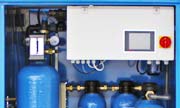
SCM 24
|
|
Cleans 24.000 liters per day
|
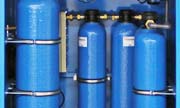
SCM 60
|
|
Cleans 60.000 liters per day
|
Video: How it works
The SCG Advantage
Our market-leading, water cleaning solutions have many advantages. To read more click the items below:
No Chemicals
Our machines and technology does not use any chemicals, at all.
Read more...
No Waste Water
Our machines do not waste any water. Yield = 100%.
Read more...
Low energy use
Uses 50 times less energy than a Reverse Osmosis Machine.
Read more...
Low ownership cost
Lower maintenance and operation costs due to our technology.
Read more...
Easy to install
Simple "plug and play" installation makes for easy deployment.
Read more...
Extremely compact
A compact system, contained in an easy to transport cabinet.
Read more...
Outperforms R.O.
SCG technologies outperform Reverse Osmosis systems.
Read more...
Faster ROI
Get a faster Return on Investment with our systems.
Read more...
Latest News
Latest Blog Posts
| Chemicals in water treatment? |
| Water storage - Whats best for keeping water clean and drinkable? |
| Case: Disaster Management Water Treatment |
Contact SCG
891 Showroom Place
Suite 101
Chula Vista, CA, 91914
Phone: +1 619-878-2730
Contact us by email