






Treating Water for a Resort: Ensuring Guest Safety and Sustainability
Water is part of every resort experience, from drinking water and prepared food to showers, swimming pools, laundry, irrigation, and spa facilities. Guests expect it to be safe, clear, pleasant to use, and consistently available. A single water-quality incident can affect public health, reputation, occupancy, and regulatory compliance.
Resort operators also face pressure to reduce environmental impact. Many properties depend on wells, brackish coastal sources, seasonal supplies, or local networks with variable quality. Treatment must therefore address contaminants effectively while controlling chemical consumption, wastewater, energy demand, and maintenance requirements.
A sustainable water management strategy begins with understanding the source and ends with reliable monitoring at every point of use. The most suitable system may combine physical filtration, membrane processes, ultraviolet disinfection, oxidation, or other chemical-free technologies selected according to the water analysis.
Water Risk Begins Before The Guest Arrives
A resort water assessment should cover the complete supply chain. Source water may contain bacteria, sediment, manganese, arsenic, pesticides, uranium, salts, or other dissolved substances. Quality can change after heavy rain, drought, groundwater movement, agricultural activity, or interruptions in the municipal supply.
Internal infrastructure creates additional risks. Storage tanks, long pipe runs, infrequently used rooms, decorative fountains, cooling systems, and hot-water circuits can contribute to stagnation or microbial growth. Separate assessments may be needed for potable water, pool water, irrigation, and process water because each application has different quality requirements.
Testing should establish a baseline for physical, chemical, and microbiological characteristics. Useful parameters include turbidity, pH, conductivity, hardness, iron, manganese, arsenic, nitrate, pesticides, uranium, and indicator bacteria. Seasonal sampling is valuable where the source changes throughout the year.
Build A Multi-Barrier Treatment Train
A dependable treatment train uses several protective stages rather than expecting one device to solve every water-quality problem. Pre-filtration can remove sand, silt, and suspended solids, protecting downstream equipment. Depending on the source, additional stages may target metals, microorganisms, organic compounds, or dissolved salts.
Disinfection is essential for potable water and should be selected according to flow, water chemistry, storage conditions, and operational capacity. Ultraviolet treatment can inactivate many microorganisms without adding a residual chemical, although appropriate pre-filtration and system monitoring remain important. Membrane treatment can reduce dissolved contaminants, while specialized media may address arsenic, manganese, or other target substances.
The design should also include safe storage, backflow prevention, pressure management, and sampling points. A treatment system that produces excellent water at the plant can still fail to protect guests if treated water becomes contaminated in tanks or distribution lines.
Match Technology To Source Water
Source conditions determine whether a resort needs clarification, adsorption, oxidation, membrane filtration, or a combination of methods. A groundwater-fed property may have low turbidity but elevated manganese, arsenic, or uranium. A surface-water source may require stronger particle removal and microbiological protection. Coastal resorts may also need to manage salinity or brackish water.
For properties near the sea, a carefully designed approach can balance freshwater production with energy and waste considerations. The guidance on brackish water treatment is especially relevant when salinity, source variability, and limited freshwater availability shape the system design.
Agricultural surroundings introduce another set of concerns. Fertilizers, pesticides, animal operations, and changing groundwater conditions can affect wells and surface water. Resort facilities that include restaurants, gardens, animal areas, or food production should examine nearby activities as part of the source-water risk assessment.
Compare Treatment Priorities
The right process depends on the contaminant, the intended use, and the resort’s operating model. Potable water generally requires the strictest control, while irrigation water may be treated primarily for plant health, equipment protection, and guest comfort. Pool systems have their own disinfection and recirculation requirements.
| Resort water application | Typical concerns | Suitable treatment focus | Sustainability considerations |
|---|---|---|---|
| Drinking and food preparation | Bacteria, metals, pesticides, poor taste | Fine filtration, targeted contaminant removal, disinfection | Low chemical use, efficient pumps, continuous monitoring |
| Showers and guest rooms | Microbes, hardness, iron, manganese | Filtration, softening where necessary, disinfection | Protect plumbing and reduce maintenance |
| Swimming pools and spas | Microorganisms, organic loading, turbidity | Recirculation, filtration, validated disinfection | Optimize backwashing, heat, and water replacement |
| Irrigation and landscaping | Salinity, pathogens, sediment | Source-specific filtration and salinity management | Reuse suitable water and protect soil |
| Laundry and housekeeping | Hardness, iron, suspended solids | Filtration and conditioning | Reduce detergent demand and equipment wear |
Treatment goals should be defined in operational terms. For example, the objective may be to maintain safe drinking water at all taps, prevent staining in guest bathrooms, protect pool equipment, or reduce salt stress in landscaping. Clear targets help engineers avoid unnecessary treatment and keep the system efficient.
Water reuse can further reduce demand when regulations and health controls allow it. Condensate, rainwater, treated greywater, or lightly contaminated process water may support irrigation or toilet flushing after appropriate treatment. These streams must remain physically separated from potable water and clearly managed to prevent cross-connection.
Protect Efficiency Across Resort Operations
Sustainability is influenced by the entire system, not just the treatment unit. High-pressure pumps, oversized equipment, frequent backwashing, membrane fouling, and poorly controlled regeneration can increase energy use and operating costs. Correct sizing and automated controls help the plant respond to actual demand rather than running at maximum capacity continuously.
Chemical-free or low-chemical treatment can reduce storage, handling, and discharge concerns, but it still requires disciplined operation. Filters need inspection, ultraviolet lamps or sensors may need servicing, and membranes require cleaning according to water quality and manufacturer requirements. Preventive maintenance protects performance and extends equipment life.
Water conservation should accompany purification. Leak detection, low-flow fixtures, smart irrigation, linen programs, and separate metering can reduce the volume that must be treated. Kitchens and laundries often offer major opportunities because they use large amounts of hot water and can place high loads on wastewater systems.
Resorts with farming or livestock activities can apply similar principles to related facilities. Practical guidance on chemical-free dairy water treatment illustrates how source protection, contaminant removal, and operational simplicity can work together in water-intensive environments.
Make Safety Measurable And Visible
A resort should maintain a water safety plan that assigns responsibilities from source intake to guest outlets. It should identify hazards, define control points, set response thresholds, and specify what happens when test results fall outside the acceptable range. Staff need clear procedures for sampling, isolation, flushing, cleaning, and notifying management.
Monitoring technology can improve reliability by tracking flow, pressure, turbidity, conductivity, ultraviolet intensity, or other indicators in real time. Laboratory testing remains important for confirming contaminant removal and meeting legal requirements. Data should be reviewed as a trend, since gradual changes can reveal fouling, source deterioration, or equipment failure before a serious incident occurs.
Guest communication also matters. Visible cleanliness, well-maintained fixtures, and consistent water quality support confidence. Where a resort uses treated alternative sources for irrigation or non-potable applications, clear labeling and secure plumbing help prevent misuse. Staff training ensures that sustainability measures never compromise hygiene or guest safety.
Plan The Upgrade Around Practical Priorities
A phased project can make water treatment more manageable for an operating resort. Start with source testing and a flow analysis, then identify the highest-risk uses and the equipment that consumes the most water or energy. This creates a technical and financial baseline before selecting treatment technologies.
Recommended planning priorities include:
- Test each water source during representative seasonal conditions.
- Separate potable, pool, irrigation, and process-water requirements.
- Select treatment stages for measured contaminants rather than assumed problems.
- Include monitoring points, alarms, maintenance access, and emergency bypass controls.
- Measure water, energy, chemical, and wastewater performance after commissioning.
The design should consider future occupancy, new buildings, changing regulations, and drought conditions. Modular systems can make capacity expansion easier, while remote monitoring may support properties with limited technical staff or multiple locations. Procurement should evaluate total cost of ownership, spare parts, service requirements, and waste streams in addition to the purchase price.
A qualified water-treatment partner can help translate laboratory results into a resilient system for the resort’s specific source and operating conditions. Swiss Cleanwater Group provides technologies and project support for applications ranging from hospitality and municipal supply to agriculture, industry, and mobile installations.
Safe water is a core hospitality service and a measurable sustainability asset. By assessing the source, combining suitable treatment barriers, reducing avoidable demand, and monitoring performance continuously, a resort can protect guests while using fewer resources.
Begin with a complete water-quality review and a site-specific treatment assessment. A clear understanding of contaminants, flow requirements, and operational priorities provides the foundation for a system that delivers dependable clean water throughout the property.
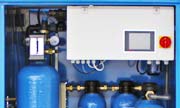
SCM 24
|
|
Cleans 24.000 liters per day
|
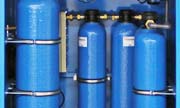
SCM 60
|
|
Cleans 60.000 liters per day
|
Video: How it works
The SCG Advantage
Our market-leading, water cleaning solutions have many advantages. To read more click the items below:
No Chemicals
Our machines and technology does not use any chemicals, at all.
Read more...
No Waste Water
Our machines do not waste any water. Yield = 100%.
Read more...
Low energy use
Uses 50 times less energy than a Reverse Osmosis Machine.
Read more...
Low ownership cost
Lower maintenance and operation costs due to our technology.
Read more...
Easy to install
Simple "plug and play" installation makes for easy deployment.
Read more...
Extremely compact
A compact system, contained in an easy to transport cabinet.
Read more...
Outperforms R.O.
SCG technologies outperform Reverse Osmosis systems.
Read more...
Faster ROI
Get a faster Return on Investment with our systems.
Read more...
Latest News
Latest Blog Posts
| Chemicals in water treatment? |
| Water storage - Whats best for keeping water clean and drinkable? |
| Case: Disaster Management Water Treatment |
Contact SCG
891 Showroom Place
Suite 101
Chula Vista, CA, 91914
Phone: +1 619-878-2730
Contact us by email