







Case Study: Safe Water for a Food Processing Plant
A food processing plant depends on a consistent supply of safe water for washing raw materials, cleaning equipment, producing ingredients, and maintaining hygienic working conditions. When the incoming supply contains variable mineral levels, agricultural residues, or microbiological contaminants, water quality becomes a production issue as well as a regulatory concern.
This case study follows a representative food processing facility that needed to meet stringent drinking-water and process-water standards without adding a complex chemical program. The plant wanted a dependable treatment system that could manage changing raw-water conditions, protect product quality, and reduce waste from daily operations.
Swiss Cleanwater Group designed a chemical-free purification approach around the plant’s actual water profile. The result was a treatment train that improved water quality, simplified monitoring, and gave the facility greater control over an essential part of its production process.
Plant Profile And Water Risk
The facility processed fresh agricultural products into packaged foods. Its water demand changed throughout the day, with higher consumption during raw-material washing, equipment sanitation, floor cleaning, and scheduled production runs. Any interruption in water availability could delay batches and increase sanitation downtime.
Initial testing showed that the source water was generally suitable for basic use but did not provide a sufficiently stable quality margin for food production. The main concerns included iron and manganese, occasional bacterial activity, traces of pesticide residues after heavy rain, and fluctuations in turbidity. These issues were especially important because the water contacted food surfaces and was used in cleaning procedures.
The plant also wanted to avoid a treatment system that created a secondary disposal problem. Conventional chemical dosing can require storage tanks, handling procedures, operator training, and management of sludge or spent media. The project team therefore assessed a low-waste, low-energy alternative that could be integrated into the existing utility area.
Building A Chemical-Free Treatment Train
The first design step was a detailed review of the raw-water source, flow rate, peak demand, storage capacity, and points of use. Samples were assessed under different operating conditions rather than relying on a single laboratory result. This helped distinguish persistent contaminants from short-term changes caused by rainfall or seasonal agricultural activity.
The selected process combined controlled oxidation, physical separation, fine filtration, and disinfection. Oxidation converted dissolved iron and manganese into particles that could be captured by the filtration stage. The process was managed without routine chemical dosing, reducing the need for reagent storage and limiting the risk of overdosing.
The plant’s engineers also reviewed how oxidation affects dissolved contaminants and filter performance. A useful technical explanation of the oxidation process helped operators understand why contact time, oxygen transfer, and filter loading had to be matched to the source-water conditions.
From Intake To Verified Quality
Water first passed through a controlled intake and pretreatment stage designed to remove larger suspended matter. The oxidation step then addressed dissolved metals, while the filtration system retained the resulting particles. Final polishing and disinfection provided an additional barrier against microbial contamination before the treated water entered the plant’s clean-water storage.
The treatment system was sized for both average and peak demand. Automated monitoring tracked pressure, flow, and key operating conditions, allowing staff to identify a developing restriction before it affected production. Sampling points were installed before and after treatment so the plant could confirm performance through routine laboratory testing and internal checks.
The following project values illustrate the change between the incoming water and the treated supply. Actual limits and verification procedures depend on local regulations, source-water conditions, and the intended use of the water.
| Parameter | Raw water range | Treated water target | Operational significance |
|---|---|---|---|
| Turbidity | 3.2–8.5 NTU | Below 0.5 NTU | Cleaner water for washing and sanitation |
| Iron | 0.45–1.10 mg/L | Below 0.10 mg/L | Fewer stains, deposits, and taste concerns |
| Manganese | 0.08–0.24 mg/L | Below 0.05 mg/L | Reduced discoloration and scaling risk |
| E. coli | Variable detection | Not detected | Stronger microbiological protection |
| Pesticide residues | Periodic trace levels | Below applicable limits | Improved suitability for food-contact uses |
| Treatment waste | Chemical sludge risk | No routine chemical sludge | Lower disposal and handling burden |
Performance Across Production
Once commissioned, the system supplied treated water to raw-material washing, cleaning-in-place support services, handwashing stations, and selected production lines. The plant maintained separate controls for applications requiring the highest level of hygiene, while the central treatment system provided a consistent quality baseline throughout the facility.
Operators reported fewer visible deposits on fixtures and less discoloration in wash areas. Stable water quality also reduced the need to adjust cleaning routines in response to changes in the incoming supply. These improvements did not replace sanitation procedures; they helped those procedures work with a cleaner and more predictable water source.
The project team also considered agricultural contamination outside the plant boundary. Facilities drawing from catchments influenced by farming can experience short-term pesticide spikes after rainfall. The principles described in this case study on pesticide-laden runoff show why source protection, sampling, and treatment design must be considered together rather than treated as separate tasks.
Compliance And Quality Assurance
Meeting a water-quality standard requires more than installing equipment. The plant established a verification schedule covering microbiological indicators, metals, turbidity, conductivity, and relevant chemical parameters. Results were recorded alongside flow and maintenance data, creating a traceable record for internal audits and regulatory inspections.
The treatment system supported a risk-based water safety plan. Critical control points included raw-water changes, filter performance, disinfection conditions, and treated-water storage. If monitoring identified an abnormal result, the plant could isolate affected water, investigate the cause, and confirm corrective action before returning the supply to normal use.
This approach helped the facility separate three objectives: protecting public health, meeting food-industry hygiene expectations, and maintaining efficient production. Clear operating limits made responsibilities easier to assign among maintenance personnel, quality managers, and production supervisors.
Efficiency And Environmental Benefits
The plant’s previous concept relied on regular chemical dosing and more frequent handling of treatment by-products. The chemical-free system reduced those requirements and simplified the utility area. Fewer stored reagents also meant less exposure risk for employees and less space dedicated to chemical management.
Energy demand was controlled through appropriate pump selection, efficient flow design, and treatment capacity matched to actual use. The system did not require excessive pressure or unnecessary recirculation to meet its performance objectives. Reduced waste helped the plant align water treatment with broader sustainability goals, including lower disposal volumes and improved resource efficiency.
The financial benefit came from several sources rather than a single saving. The facility reduced chemical purchasing, minimized maintenance associated with dosing equipment, lowered the risk of production disruption, and gained a more predictable cleaning-water supply. These operational gains strengthened the business case for investing in source-specific treatment.
Practical Priorities For Plant Managers
Food and beverage facilities considering a similar project should begin with evidence from their own water source. A treatment process that performs well at one site may require different stages, flow rates, or monitoring at another. The following priorities provide a practical starting point:
- Test raw water during normal, wet-weather, and peak-production conditions.
- Define separate quality requirements for drinking water, food-contact water, cleaning water, and utility uses.
- Design around peak flow while avoiding unnecessary oversizing and energy consumption.
- Include sampling points, alarms, maintenance access, and operator training from the beginning.
- Track treatment performance alongside chemical use, waste generation, downtime, and sanitation results.
A staged commissioning process is valuable for facilities with strict production schedules. It allows operators to validate each treatment barrier, compare laboratory results with online readings, and make controlled adjustments before the system carries the full plant load.
The project also demonstrated the importance of communication. Quality teams need reliable records, maintenance teams need accessible equipment, and production managers need clear information about water availability. When these groups share the same operating plan, water treatment becomes part of the plant’s quality system rather than an isolated utility function.
For food processors facing variable source-water quality, Swiss Cleanwater Group can assess the application, review contaminant data, and develop a sustainable purification solution suited to the required flow and standards. Contact the company to discuss a site-specific water analysis and move toward safer, more efficient production water.
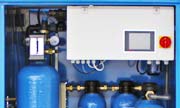
SCM 24
|
|
Cleans 24.000 liters per day
|
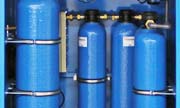
SCM 60
|
|
Cleans 60.000 liters per day
|
Video: How it works
The SCG Advantage
Our market-leading, water cleaning solutions have many advantages. To read more click the items below:
No Chemicals
Our machines and technology does not use any chemicals, at all.
Read more...
No Waste Water
Our machines do not waste any water. Yield = 100%.
Read more...
Low energy use
Uses 50 times less energy than a Reverse Osmosis Machine.
Read more...
Low ownership cost
Lower maintenance and operation costs due to our technology.
Read more...
Easy to install
Simple "plug and play" installation makes for easy deployment.
Read more...
Extremely compact
A compact system, contained in an easy to transport cabinet.
Read more...
Outperforms R.O.
SCG technologies outperform Reverse Osmosis systems.
Read more...
Faster ROI
Get a faster Return on Investment with our systems.
Read more...
Latest News
Latest Blog Posts
| Chemicals in water treatment? |
| Water storage - Whats best for keeping water clean and drinkable? |
| Case: Disaster Management Water Treatment |
Contact SCG
891 Showroom Place
Suite 101
Chula Vista, CA, 91914
Phone: +1 619-878-2730
Contact us by email