






Solar-Powered Filtration Brings Reliable Water to a Remote Mining Camp
A remote mining camp cannot depend on municipal water networks, frequent tanker deliveries, or a stable electrical grid. Its treatment system must work with variable raw-water quality, limited technical support, and long distances between the site and replacement-parts suppliers. At the same time, workers need water that is safe for drinking, cooking, washing, and essential camp operations.
This case study follows an anonymized mining operation that replaced trucked-in water and inconsistent disinfection practices with a solar-powered water purification system. The installation was designed around the camp’s groundwater source, seasonal demand, and restricted access to fuel.
The project demonstrates how low-energy filtration, renewable power, and a carefully matched treatment train can improve water security without creating a large chemical supply chain or a difficult waste-management problem.
The Water Problem At The Camp
The camp was located several hours from the nearest paved road and served a rotating workforce of approximately 80 people. Groundwater was available from a borehole, but initial testing showed elevated iron and manganese, intermittent bacterial contamination, and traces of agricultural chemicals carried into the aquifer from an upstream area. Water quality also changed after heavy rainfall.
Before the upgrade, drinking water arrived in plastic containers by truck. The arrangement was expensive and vulnerable to road closures, fuel-price increases, and delivery delays. Workers used untreated borehole water for showers and cleaning, but the unpleasant taste, staining, and concern about contamination limited its acceptance.
The operator wanted a system that could produce potable water on site while keeping energy consumption and routine maintenance low. Avoiding a treatment process that depended on continuous chemical dosing was also important because chemical deliveries required special handling and additional storage capacity.
Assessing The Source And Daily Demand
The first stage involved testing the source water across several sampling periods rather than relying on a single laboratory result. The assessment covered turbidity, pH, conductivity, hardness, iron, manganese, bacteria, pesticides, and other parameters relevant to the local geology. This approach helped distinguish persistent contaminants from changes caused by rainfall or pumping conditions.
Daily demand was calculated from the camp population, kitchen use, sanitation requirements, and a reserve for periods when additional workers were present. The treatment system was sized for steady production rather than maximum theoretical flow, allowing the solar array and storage tanks to support the load without oversizing the filtration equipment.
The assessment also considered future expansion. A modular design meant that extra treatment capacity could be added if the camp grew, while the initial installation remained compact enough for transport by standard utility vehicle.
Designing The Solar Filtration System
The selected arrangement used a borehole pump, pre-filtration, contaminant-specific media, fine filtration, and a final disinfection stage. Iron and manganese removal took place before the polishing filters so that these minerals would not rapidly foul downstream components. A protected storage tank provided treated water during periods of low sunlight and helped balance peaks in morning and evening demand.
Solar photovoltaic panels supplied the main operating power. Batteries supported controls, instrumentation, and short periods of operation after sunset, while the existing generator remained available as a backup rather than serving as the primary energy source. This reduced fuel use and allowed the plant to continue operating during short interruptions in solar production.
Where nitrate is part of the source-water profile, treatment designers must select a process that fits the water chemistry and the site’s maintenance capacity. The guidance on nitrate removal options provides useful context for evaluating alternatives to conventional ion-exchange systems.
The equipment was mounted on a compact skid with accessible valves, sample points, and clear flow indicators. Operators could isolate individual stages for servicing without shutting down the entire camp supply. A simple control panel displayed pump status, tank levels, pressure, and alarms, reducing the need for specialist intervention.
Comparing The Before And After Arrangement
The performance targets were established before installation and tied to operational needs rather than technology alone. The objective was a stable supply of drinking water with fewer deliveries, predictable maintenance, and a smaller environmental footprint.
| Operating factor | Previous arrangement | Solar filtration system |
|---|---|---|
| Primary water source | Trucked drinking water and raw borehole water | Treated borehole water |
| Main energy dependence | Diesel transport and generator support | Solar power with battery and generator backup |
| Iron and manganese control | Limited and inconsistent | Dedicated pre-treatment stage |
| Bacterial protection | Dependent on delivered water and local practice | Controlled final disinfection |
| Supply resilience | Vulnerable to road access | Supported by on-site storage |
| Routine logistics | Regular container and fuel deliveries | Periodic inspection and media servicing |
| Waste profile | Plastic containers and transport emissions | Low-chemical operation with managed filter maintenance |
| Expansion potential | Required more deliveries | Modular treatment and storage capacity |
During the first operating period, the camp reduced its reliance on delivered drinking water and used the treated supply for kitchens, accommodation blocks, and cleaning. The solar array covered the majority of normal daytime demand, while stored water carried the system through evening use and low-production weather.
Commissioning And Water Quality Results
Commissioning began with low-flow testing, flushing, and verification of each filtration stage. Operators were trained to check pressure differences, inspect connections, collect samples, and respond to high- or low-level alarms. The training focused on practical actions that could be completed with the tools already available at the camp.
Follow-up samples showed a substantial reduction in iron, manganese, suspended particles, and bacterial indicators. The treated water was clearer and had a more acceptable taste, which increased worker confidence and reduced the need to reserve packaged water for drinking. Final results were validated against the applicable local drinking-water requirements before the system was placed into routine service.
The most important improvement was operational consistency. Water production no longer depended on a delivery truck arriving on schedule. When cloudy weather temporarily reduced solar output, the storage tank and backup generator maintained service without forcing the camp to return to untreated water.
Performance monitoring also identified the value of a conservative maintenance schedule. Filter pressure, treated-water quality, and tank turnover were logged at regular intervals. These records made it possible to plan servicing before a restriction or quality problem affected the camp.
Managing Maintenance In A Difficult Location
Remote treatment equipment succeeds when routine care is simple and predictable. The mining operator kept a small inventory of seals, cartridges, test materials, fuses, and other consumables on site. Replacement media and specialist components were ordered during scheduled supply runs instead of during an emergency.
The solar installation required periodic inspection for dust accumulation, cable damage, shading, and battery condition. Panel cleaning was coordinated with other site tasks, avoiding unnecessary travel by maintenance personnel. Because the plant used energy-efficient pumps and gravity-assisted storage where possible, the electrical system remained relatively small.
The project team also created a short operating log covering raw-water appearance, flow rate, pressure, tank levels, and disinfection checks. This information gave supervisors an early warning when source conditions changed. It also supported communication with remote technical staff when troubleshooting was required.
The modular layout created another advantage: if the camp moved or the mining phase ended, the system could be disconnected and redeployed. That flexibility is valuable for exploration sites, temporary construction camps, and emergency operations. Designs for mobile treatment systems offer further insight into transportable equipment and rapid deployment considerations.
Practical Priorities For Similar Projects
A successful remote water project depends on matching the treatment method to the source, workforce, and logistics. The following priorities helped the mining camp achieve reliable operation:
- Test raw water during different seasons and after significant rainfall.
- Size production, storage, solar generation, and backup power as one integrated system.
- Separate iron and manganese removal from fine filtration and final disinfection.
- Choose controls and maintenance tasks that trained site personnel can manage safely.
- Keep critical spares and testing supplies on site before the wet season or winter access period.
- Build in modular capacity so treatment can expand or move with the operation.
Building Long-Term Water Security
The mining camp’s experience shows that clean water production in a remote location does not have to depend on heavy chemical use, frequent fuel deliveries, or a large centralized plant. A properly engineered filtration system can combine groundwater treatment, solar energy, storage, and straightforward monitoring in a compact installation.
For municipalities, mining operators, farms, livestock facilities, and temporary worksites, the same principle applies: begin with source-water analysis, define the actual demand, and select each treatment stage for a specific contaminant or operating challenge. Swiss Cleanwater Group can help evaluate the water source, develop a suitable treatment configuration, and plan a system that supports reliable drinking water production in demanding environments. Contact the company to discuss a site assessment or a solar-powered filtration project tailored to your location.
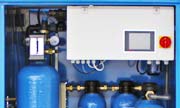
SCM 24
|
|
Cleans 24.000 liters per day
|
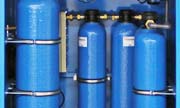
SCM 60
|
|
Cleans 60.000 liters per day
|
Video: How it works
The SCG Advantage
Our market-leading, water cleaning solutions have many advantages. To read more click the items below:
No Chemicals
Our machines and technology does not use any chemicals, at all.
Read more...
No Waste Water
Our machines do not waste any water. Yield = 100%.
Read more...
Low energy use
Uses 50 times less energy than a Reverse Osmosis Machine.
Read more...
Low ownership cost
Lower maintenance and operation costs due to our technology.
Read more...
Easy to install
Simple "plug and play" installation makes for easy deployment.
Read more...
Extremely compact
A compact system, contained in an easy to transport cabinet.
Read more...
Outperforms R.O.
SCG technologies outperform Reverse Osmosis systems.
Read more...
Faster ROI
Get a faster Return on Investment with our systems.
Read more...
Latest News
Latest Blog Posts
| Chemicals in water treatment? |
| Water storage - Whats best for keeping water clean and drinkable? |
| Case: Disaster Management Water Treatment |
Contact SCG
891 Showroom Place
Suite 101
Chula Vista, CA, 91914
Phone: +1 619-878-2730
Contact us by email