






How to Design a Zero-Energy Water Treatment System for Remote Cabins
A remote cabin needs a dependable source of safe water without relying on grid electricity, frequent chemical deliveries, or complex maintenance. Designing a zero-energy water treatment system means using gravity, natural pressure, passive filtration, and carefully selected treatment media to make water safe with little or no operational power.
The most effective design begins before equipment is purchased. Water quality, elevation, seasonal availability, daily demand, storage capacity, and the cabin’s plumbing layout all determine which treatment stages are practical. A spring may need a different solution from a shallow well, roof runoff, lake, or drilled borehole.
“Zero-energy” usually means zero external operating energy rather than zero embodied energy. Solar panels, batteries, and pumps can support a remote installation, but a well-planned cabin system should continue delivering safe water if the battery is empty or the pump is unavailable.
Design Around Water Demand And Gravity
Begin by estimating the cabin’s daily and peak water use. Drinking and cooking may require only a few litres per person, while showers, laundry, livestock, and occasional visitors can multiply demand. Calculate average consumption, then add reserve capacity for dry weather, maintenance, and unexpected occupancy.
Gravity is the central design resource. A spring collection point above the cabin can feed a protected storage tank, sediment filter, and final disinfection stage without a pump. When elevation is limited, a raised tank or roof-mounted cistern can create useful pressure. Even a small vertical difference can improve flow through low-resistance filters.
Keep the treatment train short and accessible. Every additional cartridge, valve, and fitting creates pressure loss and another maintenance point. Place coarse screening before fine filtration, provide drain points for flushing, and install bypass valves so individual components can be serviced without shutting down the entire cabin.
Start With Source And Seasonal Data
Testing the source is essential because clear water is not necessarily safe water. A laboratory analysis should cover microbiological contamination, turbidity, pH, hardness, iron, manganese, arsenic, uranium, nitrate, pesticides, and other locally relevant pollutants. A single sample provides a baseline, while seasonal tests reveal changes after storms, snowmelt, drought, or agricultural activity.
Surface water and shallow groundwater often contain bacteria, organic matter, and suspended solids. Roof runoff can collect bird droppings, dust, metals from roofing materials, and residues from nearby trees. Deep groundwater may look clean while carrying dissolved minerals or naturally occurring arsenic, manganese, or uranium.
Protecting the source is part of treatment. Seal spring boxes, divert surface runoff, fence livestock away from collection areas, and keep septic systems well separated from wells. For cabins relying on rainwater, use a first-flush diverter and opaque storage tank to reduce organic growth. The off-grid cabin guidance offers useful context for combining source protection, storage, and low-resource purification.
Build A Passive Treatment Train
A practical chemical-free system usually uses several barriers, each addressing a different risk. A screened intake stops leaves and insects. A settling chamber or sediment tank reduces heavy particles. A washable prefilter protects the finer stages, while activated carbon can improve taste and reduce some organic compounds and pesticides.
Specialized media may be necessary for dissolved contaminants. Iron and manganese removal can require oxidation and filtration, while arsenic and uranium call for media selected specifically for those substances. These stages should be chosen from laboratory results rather than general assumptions. A filter advertised for “clean water” may have no meaningful capacity for a particular dissolved pollutant.
Microbiological safety requires a final barrier. Gravity-driven ultrafiltration, ceramic filtration, or ultraviolet treatment can be appropriate, depending on flow, turbidity, and available power. UV needs electricity and clear water, so it is not inherently zero-energy. A passive membrane or ceramic stage may better suit a cabin that must operate without batteries, although flow rate and cleaning requirements need careful evaluation.
A sealed treated-water tank prevents recontamination after purification. Use food-grade materials, a covered inspection opening, screened vents, and a drain for periodic cleaning. Keep untreated and treated plumbing visibly separate, and avoid cross-connections with hoses or fixtures used outdoors.
Match Technology To The Contaminant
The table below compares common treatment stages for a remote drinking-water installation. Actual performance depends on the source analysis, hydraulic conditions, and the manufacturer’s tested specifications.
| Treatment stage | Main target | Energy demand | Remote-cabin considerations |
|---|---|---|---|
| Intake screen | Leaves, insects, large debris | None | Washable and easy to inspect |
| Settling tank | Sand, silt, heavy particles | None | Needs a drain and periodic sludge removal |
| Sediment filter | Fine suspended solids | None or gravity pressure | Select a washable, low-pressure-loss design |
| Activated carbon | Taste, odour, some organics and pesticides | None | Replace or regenerate according to capacity |
| Iron and manganese media | Dissolved iron and manganese | Usually passive | Requires suitable pH and backwashing or cleaning |
| Arsenic or uranium media | Specific dissolved contaminants | Usually passive | Must be sized from laboratory results and monitored |
| Ceramic or ultrafiltration membrane | Bacteria and particles | Gravity or low pressure | Clean membrane when flow declines |
| UV reactor | Microorganisms | Low electrical power | Needs clear water, lamp monitoring, and backup power |
| Treated-water storage | Recontamination control | None | Keep sealed, shaded, and serviceable |
A “zero-energy” design should favor stages that work under gravity and avoid continuous pumping. However, passive operation does not mean maintenance-free operation. Filters clog, media exhausts, storage tanks accumulate sediment, and biological contamination can return if seals or fittings fail.
Where a contaminant cannot be addressed passively, a small solar-powered pump or UV unit may still be the most responsible choice. Design it as an optional final stage, with enough battery capacity for essential treatment and a manual fallback such as a certified point-of-use filter or safe water reserve.
Plan Storage, Hygiene And Monitoring
Storage often determines whether treated water remains safe. Size the tank for several days of typical consumption without creating excessive residence time. A very large tank may allow water to stagnate, warm up, and develop biofilm. Use dark or insulated construction, install it away from chemicals and fuel, and position it where inspection is straightforward.
Monitoring should combine simple daily observations with scheduled laboratory testing. Record flow rate, filter pressure or throughput, tank condition, unusual taste or odour, and any changes in source appearance. A basic turbidity meter, pressure gauge, or conductivity meter can identify problems early, although these instruments do not replace microbiological and chemical analysis.
Create a maintenance schedule that someone can follow during winter and periods of absence. Include intake inspection, sediment removal, filter cleaning, carbon replacement, media testing, tank disinfection, and laboratory sampling. Label every valve and cartridge with its function and service date. Keep spare seals, filter elements, fittings, and a written shutdown procedure in a dry storage box.
The system should also account for freezing. Bury pipes below the local frost line where possible, slope exposed lines toward drain points, and locate delicate treatment equipment in an insulated service space. A drain-down mode can protect the installation when the cabin is vacant for several months.
Extend Water Efficiency Beyond Drinking
Reducing demand makes passive purification easier. Low-flow taps, efficient showerheads, composting or low-flush toilets, and dry cleaning practices reduce the volume that must be collected and treated. Use high-quality drinking water for consumption and cooking, while suitable non-potable water can serve irrigation, toilet flushing, or cleaning after appropriate risk assessment.
Greywater reuse requires separation from drinking-water plumbing and careful management of pathogens, salts, detergents, and organic loads. Agricultural sites can draw on chemical-free reuse systems for ideas about reducing freshwater demand without introducing unnecessary treatment chemicals. A cabin-scale system may be simpler, but the same principles apply: separate streams, avoid stagnation, and match water quality to its intended use.
A remote cabin may also need a safe emergency plan. Keep sealed drinking water available during filter maintenance, contamination events, severe storms, or equipment damage. Include instructions for boiling water when electricity or fuel is available, and maintain a clear process for isolating the source if test results indicate a health risk.
Practical Priorities For A Reliable Installation
A strong design balances public-health protection with simplicity. Prioritize verified contaminant removal, passive flow, durable materials, accessible service points, and clear operating instructions. The following decisions provide a useful starting point:
- Test the source during wet and dry seasons before selecting treatment media.
- Use elevation, raised storage, and short pipe runs to create gravity pressure.
- Install separate barriers for sediment, dissolved contaminants, and microorganisms.
- Choose low-maintenance components that can be cleaned or replaced locally.
- Keep emergency drinking-water reserves and a written maintenance log on site.
For a multi-user cabin, lodge, farm building, or mobile installation, professional sizing is valuable. Flow demand, contact time, media capacity, and microbial protection must be calculated together rather than treated as separate purchases. The Swiss Cleanwater Group provides water-treatment expertise and technology for applications where chemical use, waste, and energy consumption must be controlled.
A carefully designed passive system can provide dependable drinking water while preserving the advantages of remote living. Start with laboratory data, design around gravity, protect the source, and treat maintenance as part of the system rather than an afterthought. Contact a qualified water-treatment provider with the test results, elevation profile, occupancy figures, and seasonal conditions to develop a safe, serviceable installation for the cabin.
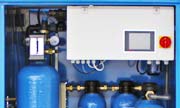
SCM 24
|
|
Cleans 24.000 liters per day
|
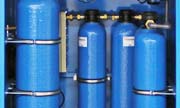
SCM 60
|
|
Cleans 60.000 liters per day
|
Video: How it works
The SCG Advantage
Our market-leading, water cleaning solutions have many advantages. To read more click the items below:
No Chemicals
Our machines and technology does not use any chemicals, at all.
Read more...
No Waste Water
Our machines do not waste any water. Yield = 100%.
Read more...
Low energy use
Uses 50 times less energy than a Reverse Osmosis Machine.
Read more...
Low ownership cost
Lower maintenance and operation costs due to our technology.
Read more...
Easy to install
Simple "plug and play" installation makes for easy deployment.
Read more...
Extremely compact
A compact system, contained in an easy to transport cabinet.
Read more...
Outperforms R.O.
SCG technologies outperform Reverse Osmosis systems.
Read more...
Faster ROI
Get a faster Return on Investment with our systems.
Read more...
Latest News
Latest Blog Posts
| Chemicals in water treatment? |
| Water storage - Whats best for keeping water clean and drinkable? |
| Case: Disaster Management Water Treatment |
Contact SCG
891 Showroom Place
Suite 101
Chula Vista, CA, 91914
Phone: +1 619-878-2730
Contact us by email