







How to remove copper and lead from drinking water in old buildings
Older Australian buildings can contain plumbing materials installed long before current drinking-water standards were established. Lead solder, brass fittings, copper pipes and ageing service connections may release metals into water, especially when it has been sitting in the plumbing overnight. The risk is often greatest at a tap that is rarely used or at the end of a long internal pipe run.
Copper and lead contamination usually has a practical solution, but the right response depends on the source, concentration and water use. Testing should come before selecting equipment, while a combination of plumbing repairs, flushing procedures and verified filtration can protect occupants during longer-term upgrades.
Where copper and lead enter household water
Lead may come from old service lines, lead-based solder, brass taps, valves and fittings. Even where the main water supply is clean, water can pick up lead as it travels through private plumbing. Copper pipes can also contribute copper, particularly when water is acidic, soft or has remained stationary for several hours. Blue-green staining around a tap may indicate copper corrosion, although visible staining is not a reliable measure of health risk.
Buildings in inner Sydney, Melbourne terraces and older regional town centres may have several generations of plumbing hidden behind walls and under floors. Renovations can add another complication: a new kitchen may be connected to old pipework, or new brass fixtures may be installed without removing an ageing service line. In Queensland and other warm parts of Australia, higher ambient temperatures can also influence reaction rates and water demand. This is one reason to consider temperature and filtration when assessing treatment performance.
Lead is a particular concern for infants, children and pregnant people because repeated exposure can affect development and the nervous system. Copper is an essential mineral at low levels, yet excessive amounts may cause an unpleasant metallic taste, gastrointestinal upset and staining. The Australian Drinking Water Guidelines use health-based values of 0.01 milligrams per litre for lead and 2 milligrams per litre for copper, while state and territory authorities may provide additional guidance for specific situations.
Test the water and locate the source
A laboratory test is the most dependable way to establish whether copper or lead is present. Use a laboratory accredited by the National Association of Testing Authorities, or NATA, and request testing for both metals. A single sample can be useful, but paired samples are more informative: collect one immediately after water has been standing overnight and another after the cold tap has been flushed for several minutes.
The first-draw result indicates whether metals are accumulating in internal plumbing. The flushed sample gives a clearer picture of the incoming supply and service connection. Follow the laboratory’s instructions carefully, use the supplied containers and avoid touching the inside of the bottle or lid. If a result is high, repeat testing can help confirm the pattern before major work begins.
A licensed plumber can inspect the property and identify likely sources. They may check the incoming service pipe, soldered joints, brass fittings, tapware, hot-water connections and dead legs where water sits unused. Australian plumbing work is regulated at state and territory level, so use a properly licensed professional and ask for products that comply with relevant WaterMark requirements. Do not assume that replacing a tap will solve the problem if the contamination originates in a buried service line.
Reduce exposure while repairs are planned
Until the source is addressed, use cold water from a regularly flushed drinking-water tap for cooking and beverages. Let the tap run until the water feels consistently cold, particularly after the property has been empty or the plumbing has been unused overnight. Collect the initial water for garden use or cleaning rather than sending it down the drain. Never use hot tap water for infant formula or cooking, because warm water can dissolve metals more readily.
Boiling water kills many microorganisms, but it does not remove lead or copper. A standard jug filter may improve taste and reduce some contaminants, yet performance varies widely between cartridges. Look for a product specifically tested and certified for lead and copper reduction, follow its rated capacity and replace cartridges on schedule. A filter that is overdue for replacement can become ineffective and may introduce additional hygiene concerns.
If young children or pregnant people live in the building and testing indicates elevated lead, arrange prompt advice from a medical practitioner or the relevant state health service. Cleaning aerators can also help remove particles trapped in tap screens, but the aerators should be handled hygienically and replaced if they are corroded. These measures control exposure; they do not replace permanent plumbing repairs or a correctly sized treatment system.
Select treatment based on the water and building
Point-of-use filtration is often suitable for a kitchen drinking tap when the problem is limited to one outlet. A certified cartridge designed for lead and copper can provide treated water for drinking and food preparation without treating every litre used for toilets, laundry or showers. Point-of-entry treatment may be more appropriate where several taps are affected, the building has vulnerable occupants or testing shows contamination throughout the internal network.
Treatment technology should match the chemistry of the water. Filtration media, adsorption systems, membrane processes and specialist ion-exchange units each have different operating limits. pH, hardness, alkalinity, turbidity, flow rate and temperature can affect results. A supplier should review laboratory data and expected daily demand rather than recommending equipment from the metal concentration alone.
For broader source-water work, a groundwater treatment system may be relevant where a property, farm or facility relies on a bore supply. Bore water can contain several contaminants at once, so copper and lead should be assessed alongside iron, manganese, arsenic, salinity, bacteria and uranium where applicable. Chemical-free treatment can reduce chemical handling and residual waste in some applications, but “chemical-free” does not mean maintenance-free. Backwashing, monitoring, media replacement and safe disposal still need to be planned.
Make the solution durable and practical
Replacing lead-containing components is the strongest long-term option when the source is confirmed. Depending on the property, this may involve replacing a service line, removing lead solder, upgrading brass fittings or renewing sections of copper pipe affected by aggressive water. A plumber can prepare a staged plan that prioritises the kitchen and other high-use outlets while fitting within renovation or maintenance budgets.
Building owners should keep laboratory reports, plumbing invoices, filter specifications and maintenance dates together. This record is useful for rental properties, strata committees, schools, childcare facilities and commercial buildings. In Australia, responsibility may be divided between the water utility, property owner, landlord and tenant, so documenting where the private plumbing begins can prevent delays. Local water providers can advise on the public supply, but private internal pipework normally requires the owner or manager to act.
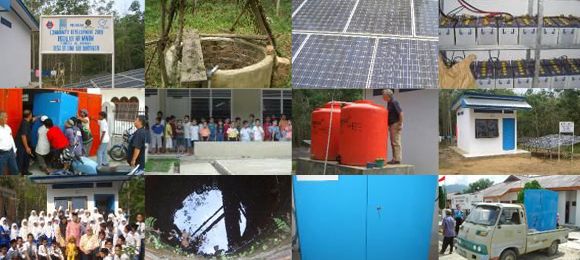
Remote communities, farms, disaster sites and temporary facilities may need a different approach from a suburban home. A properly selected mobile water purification unit can support emergency response or temporary accommodation when permanent plumbing is damaged or unsafe. Any mobile system still needs source testing, operator training, sanitation controls and a clear plan for treated-water storage.
Swiss Cleanwater Group can help assess treatment requirements for homes, buildings, municipalities, farms and industrial sites. Share recent laboratory results, details of the building’s age and plumbing, expected water demand, and the taps that need protection to begin developing a suitable copper and lead removal strategy.
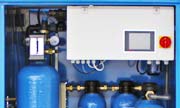
SCM 24
|
|
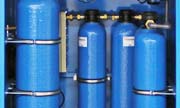
Cleans 24.000 liters per day
|
SCM 60
|
|
Cleans 60.000 liters per day
|
Video: How it works
The SCG Advantage
Our market-leading, water cleaning solutions have many advantages. To read more click the items below:
No Chemicals
Our machines and technology does not use any chemicals, at all.
Read more...
No Waste Water
Our machines do not waste any water. Yield = 100%.
Read more...
Low energy use
Uses 50 times less energy than a Reverse Osmosis Machine.
Read more...
Low ownership cost
Lower maintenance and operation costs due to our technology.
Read more...
Easy to install
Simple "plug and play" installation makes for easy deployment.
Read more...
Extremely compact
A compact system, contained in an easy to transport cabinet.
Read more...
Outperforms R.O.
SCG technologies outperform Reverse Osmosis systems.
Read more...
Faster ROI
Get a faster Return on Investment with our systems.
Read more...
Latest News
Latest Blog Posts
| Chemicals in water treatment? |
| Water storage - Whats best for keeping water clean and drinkable? |
| Case: Disaster Management Water Treatment |
Contact SCG
891 Showroom Place
Suite 101
Chula Vista, CA, 91914
Phone: +1 619-878-2730
Contact us by email