


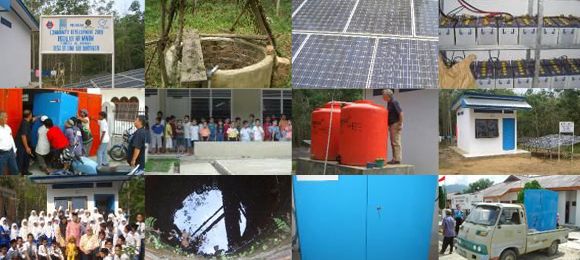







Removing Fluoride From Groundwater for Community Health
Fluoride is a naturally occurring mineral that can enter groundwater as water moves through rocks and sediments. At suitable concentrations, fluoride can support dental health, which is why many Australian town supplies are fluoridated. Higher levels in untreated bore water, however, may create a long-term health concern, especially where groundwater is the main source of drinking water. Learn more about Removing Bacteria And Viruses From Surface Water Without Uv Or Chlorine.
Removing fluoride from groundwater for community health requires more than selecting a filter from a catalogue. A reliable solution begins with laboratory testing, local water chemistry, daily demand, and the operating conditions of the community. Chemical-free treatment can reduce dosing, handling risks, and residual waste while delivering water that is appropriate for homes, schools, clinics, farms, and public facilities.
Why Fluoride Levels Matter In Australian Groundwater
Fluoride concentrations vary widely between aquifers. Water that has remained underground for a long period can dissolve minerals containing fluoride, with levels influenced by geology, pH, temperature, alkalinity, and the depth of the bore. In some inland and regional areas, a bore may contain elevated fluoride even when the water appears clear and has no unusual taste or smell.
The Australian Drinking Water Guidelines use 1.5 milligrams per litre as the health guideline value for fluoride in drinking water. This value must be considered alongside the source, the age of people using the water, and total exposure from other supplies. A household connected to a fluoridated urban network has different circumstances from a remote community relying on untreated bore water and rainwater tanks.
Australian operators also need to distinguish between drinking water and non-potable uses. Water for toilet flushing, irrigation, dust suppression, or some industrial processes may not require the same fluoride reduction as water supplied for consumption. Separating these demands can lower treatment capacity and operating costs while keeping the highest level of protection where it matters most.
Testing Before Selecting A Defluoridation System
A fluoride result by itself is not enough to design a dependable plant. A complete analysis should include pH, electrical conductivity, hardness, alkalinity, silica, iron, manganese, arsenic, uranium, nitrate, turbidity, organic matter, and microbiological quality. These substances can compete for treatment capacity, block media, or affect the performance of a membrane or adsorption process.
Seasonal sampling is valuable in Australia because groundwater quality and demand can change through wet and dry periods. A bore used heavily during summer may draw from a different part of the aquifer than it does during low-demand months. Mining activity, irrigation, drought, and changes in bore depth can also alter the composition of raw water.
Pilot testing helps establish the actual fluoride reduction, flow rate, contact time, media life, and pretreatment requirements. It can reveal whether iron or suspended solids need to be removed first and whether the finished water requires blending or stabilisation. This evidence is more useful than relying on a nominal filter rating that may not reflect local groundwater conditions.
Chemical-Free Methods For Fluoride Reduction
Several treatment approaches can reduce fluoride without continuous chemical dosing. Adsorption media, including specially selected alumina-based materials, capture fluoride on a porous surface as water passes through a treatment vessel. Performance depends on pH and competing ions, so the media must be matched to the source water rather than treated as a universal cartridge.
Membrane processes such as reverse osmosis can provide high fluoride removal by separating dissolved salts from water. They can suit compact facilities, community kiosks, and locations where treated water quality needs to be tightly controlled. The design must account for energy use, concentrate management, membrane cleaning, and replacement costs. A chemical-free operating philosophy does not mean that every membrane system has zero waste or zero maintenance.
Some systems combine prefiltration with a selective treatment stage to protect the main fluoride-removal process. Removing sediment, iron, manganese, and organic matter first can extend service life and improve consistency. In a community setting, simple controls, accessible replacement parts, and clear maintenance procedures are as important as the removal percentage achieved in a laboratory.
Chemical-free should therefore be understood precisely. It may mean that the process does not require routine chlorine, coagulant, or regenerant dosing during normal operation. Treatment media still have a finite capacity, and membranes may eventually need cleaning or replacement. Responsible design includes a plan for spent media, concentrate, monitoring, and safe disposal in accordance with local requirements.
Protecting Drinking Water From Other Contaminants
Fluoride is rarely the only concern in a groundwater supply. Australian bores may also contain arsenic, uranium, manganese, salinity, pesticides, or naturally occurring bacteria. A fluoride unit cannot be assumed to remove these contaminants unless its performance has been validated for each one. A multi-barrier approach gives the community a clearer line of defence.
Microbiological safety deserves particular attention where bore water is stored in tanks or mixed with surface water. Physical treatment, disinfection, and protected storage may be needed depending on the risk assessment. The principles described in chemical-free pathogen control are relevant when a project needs to manage bacteria and viruses without relying on ultraviolet light or chlorine.
Source protection remains essential. A wellhead should be protected from flooding, animal access, failing septic systems, fertiliser runoff, and chemical storage. Regular testing confirms that the treatment plant is working and identifies changes before they affect consumers. For small communities, a practical monitoring schedule may include online conductivity or pressure readings, scheduled fluoride analysis, microbiological tests, and periodic testing for metals and pesticides.
Designing Systems For Communities And Remote Sites
A community water treatment plant should be sized around real consumption rather than an optimistic average. Peak morning use, school terms, tourism, firefighting storage, livestock demand, and seasonal irrigation can all influence the required flow. A modular arrangement can allow one vessel to remain in service while another is inspected or its media is changed.
Remote Australian locations need special attention to logistics. Long distances from regional centres can delay technicians and replacement components, while high temperatures and unreliable power can affect pumps, controls, and storage tanks. Solar-assisted pumping, low-energy treatment, local operator training, and remote performance alerts may improve resilience where grid power and technical support are limited.
The same design principles apply outside municipal drinking water. Farms may need lower-fluoride water for workers and household use while retaining untreated water for selected agricultural applications. Livestock operations, schools, health posts, accommodation sites, and mobile or defence facilities can each require a different balance between portability, automation, storage, and treatment volume. For irrigation projects, a chemical-free pond filtration design illustrates how source conditions and end use shape the filtration strategy.
Compliance should be built into the project from the beginning. Australian drinking water suppliers may need to work with state or territory regulators, local councils, public health authorities, and water service providers. The applicable approval pathway depends on whether the system serves a regulated network, a private facility, a remote settlement, or a temporary installation. Documentation should cover raw-water results, treatment validation, operating limits, maintenance, incident response, and finished-water testing.
A well-designed fluoride removal system gives communities greater control over an important water-quality risk without creating unnecessary chemical handling or excessive energy demand. Swiss Cleanwater Group can assess groundwater data, define the treatment barriers, and develop a system suited to the required flow, contaminants, operating environment, and Australian compliance expectations. Contact the team to discuss testing, pilot treatment, and a practical clean-water solution for your community or facility.
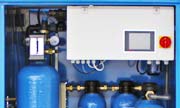
SCM 24
|
|
Cleans 24.000 liters per day
|
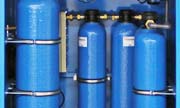
SCM 60
|
|
Cleans 60.000 liters per day
|
Video: How it works
The SCG Advantage
Our market-leading, water cleaning solutions have many advantages. To read more click the items below:
No Chemicals
Our machines and technology does not use any chemicals, at all.
Read more...
No Waste Water
Our machines do not waste any water. Yield = 100%.
Read more...
Low energy use
Uses 50 times less energy than a Reverse Osmosis Machine.
Read more...
Low ownership cost
Lower maintenance and operation costs due to our technology.
Read more...
Easy to install
Simple "plug and play" installation makes for easy deployment.
Read more...
Extremely compact
A compact system, contained in an easy to transport cabinet.
Read more...
Outperforms R.O.
SCG technologies outperform Reverse Osmosis systems.
Read more...
Faster ROI
Get a faster Return on Investment with our systems.
Read more...
Latest News
Latest Blog Posts
| Chemicals in water treatment? |
| Water storage - Whats best for keeping water clean and drinkable? |
| Case: Disaster Management Water Treatment |
Contact SCG
891 Showroom Place
Suite 101
Chula Vista, CA, 91914
Phone: +1 619-878-2730
Contact us by email