









Poultry farm case study: wastewater recycling with catalytic filtration
This case study examines how a poultry farm in regional New South Wales recycles wastewater for flock housing using catalytic filtration. The farm needed a dependable way to manage high-strength washdown water without discharging manure nutrients, odours and trace contaminants to nearby land or waterways. The solution began with separating waste streams at source, rather than attempting to make every litre of dirty water suitable for every purpose.
Australian poultry farms face a familiar pressure: summer water restrictions can arrive quickly, while every shed still needs reliable washdown. Operators in New South Wales, Victoria and Queensland must balance drought resilience with biosecurity, environmental licensing and the food-safety expectations of markets supplying Sydney and Melbourne. Water reuse can reduce freshwater demand, but only when it is designed around local conditions and clearly defined contamination risks.
Swiss Cleanwater Group supplied a catalytic filtration approach that treats suitable water without routine chemical dosing and the chemical waste associated with conventional treatment. Clarified wastewater can be reused for selected housing tasks while higher-risk flows remain separate. The following case study explains the process, treatment choices and operating controls that made the system workable on a working farm.
Source separation makes reuse possible
The first upgrade was hydraulic rather than chemical. Clean rainwater from roofed sheds was kept separate from manure-laden floor and equipment washdown. Each dirty line passed through a trap and solids-removal stage before treatment, preventing bedding, feathers and feed particles from overwhelming the finer catalytic stage. Consistent feed quality also gave operators a stable baseline for evaluating treatment performance.
The farm then zoned reuse water for controlled jobs such as shed flushing, equipment washing and yard cleaning. Final drinking-water lines for the flock remained physically separated and protected by a separate treatment and disinfection process. This division reflects the biosecurity discipline used across Australian poultry production: a useful recycled stream must not become a pathway for moving pathogens between sheds.
Identifying the contaminants that matter
A representative water analysis became the design reference. The panel screened for bacteria, manganese, arsenic, pesticides and uranium where those risks were credible for the property, together with pH, turbidity, conductivity and organic loading. It also measured nutrients such as nitrogen and phosphorus, although the filtration target was dissolved contaminants rather than bulk manure management.
Samples were sent to an accredited Australian laboratory, with NATA accreditation providing assurance that operating decisions rested on defensible data. Each water stream received its own acceptance criteria because roof water, hose washdown and heavily soiled floor water have very different contaminant loads. This distinction prevents a result from one source being applied incorrectly to another.
Choosing media for the duty of water
Media selection cannot be reduced to a single contaminant claim. The company’s guidance on choosing filtration media is useful because it links contaminant chemistry with water composition, flow, pressure and operating capacity. It also helps decision-makers compare service life, cleaning needs and total ownership cost before equipment is sized.
For this application, catalytic media was selected to work with the clarified stream after solids had been removed. Swiss Cleanwater Group configured the equipment around catalytic reactions and controlled filtration, so susceptible contaminants could be addressed without adding oxidants or coagulants to the water. Depending on the validated configuration, systems can address dissolved manganese, arsenic, pesticides, uranium and bacterial risks without excessive energy demand or routine chemical handling.
Engineering for Australian farm conditions
Design began with the realities of Australian poultry operations. Sheds in inland New South Wales, northern Victoria and southern Queensland can experience high summer temperatures, hard water, dusty conditions and sharply changing daily water demand. Flow equalisation and adequately sized buffer capacity prevent shock loads from reaching the treatment train, while local electrical and occupational health and safety requirements shape the installation.
Environmental controls also determine where reuse is practical. State environmental authorities and local councils may scrutinise nutrient-rich discharge, odour and groundwater impacts, particularly in sensitive catchments. The farm therefore documented its clean-water and dirty-water zones, sampling points and permitted reuse tasks. Equipment was chosen for simple operation, readily available replacement parts and service support that does not assume a technician is only an hour from a capital city.
Tracking dissolved oxygen and performance
Treatment performance was tracked as a live process rather than inferred from equipment status alone. The role of dissolved oxygen in filtration is especially relevant where upstream biological activity or aeration affects the conditions entering the catalytic stage. Oxygen trends helped the team identify changes in organic load, temperature effects and the balance between incoming flow and treatment capacity.
Routine instruments recorded flow, pressure and filtration conditions, while scheduled samples verified actual contaminant removal. Operators compared those results with operating limits and could isolate a stream, adjust flow or divert water to holding storage when readings moved outside the safe operating range. This approach makes the system easier to manage and gives the farm evidence for audits, customer assurance and continual improvement.
Pilot testing before full installation
A temporary pilot line carried the most difficult clarified washdown water through the proposed configuration. Testing occurred across several production cycles so that the results included variable manure loading, cleaning routines and peak shed demand. The team compared inlet and outlet samples, observed pressure loss and confirmed how much operator intervention was required during start-up and shutdown.
After the pilot, Swiss Cleanwater Group incorporated the findings into the permanent installation and trained farm staff in daily checks, response procedures and safe isolation. Maintenance intervals account for Australian working hours, electrical safety controls and access around heavy farm machinery. Clear logs, spare-parts planning and remote support reduce the risk that a treatment issue becomes a flock-care problem during a busy production day.
Outcomes for the farm and wider site
The completed system reduced reliance on potable water for suitable housing and yard-wash tasks, decreased the volume of nutrient-rich washdown water sent for disposal and made washdown supply more predictable during dry periods. Routine chemical deliveries and the associated handling of dosing chemicals and sludge were avoided. The clearest gains were operational resilience and lower water-management effort, rather than a claim that every stream on the farm can be reused for every purpose.
Solid manure and highly contaminated washdown still require appropriate collection and treatment, and reuse water must never be assumed suitable for drinking without validation and disinfection. The project also demonstrates how a modular treatment approach can fit farms of different sizes, from a multi-shed laying operation to a regional poultry processor. For businesses supplying metropolitan markets, documented water controls support farm audits, customer due diligence and confidence in the product chain.
A poultry farm can make wastewater a managed resource when source segregation, contaminant testing and catalytic filtration are treated as one connected system. Swiss Cleanwater Group can assess the farm’s water streams, operating conditions and reuse goals, then recommend a practical configuration for Australian conditions.
Contact Swiss Cleanwater Group to discuss a site assessment, treatment trial or tailored catalytic filtration proposal for poultry housing wastewater.
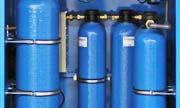
SCM 24

|
|
Cleans 24.000 liters per day
|
SCM 60
|
|
Cleans 60.000 liters per day
|
Video: How it works
The SCG Advantage
Our market-leading, water cleaning solutions have many advantages. To read more click the items below:
No Chemicals
Our machines and technology does not use any chemicals, at all.
Read more...
No Waste Water
Our machines do not waste any water. Yield = 100%.
Read more...
Low energy use
Uses 50 times less energy than a Reverse Osmosis Machine.
Read more...
Low ownership cost
Lower maintenance and operation costs due to our technology.
Read more...
Easy to install
Simple "plug and play" installation makes for easy deployment.
Read more...
Extremely compact
A compact system, contained in an easy to transport cabinet.
Read more...
Outperforms R.O.
SCG technologies outperform Reverse Osmosis systems.
Read more...
Faster ROI
Get a faster Return on Investment with our systems.
Read more...
Latest News
Latest Blog Posts
| Chemicals in water treatment? |
| Water storage - Whats best for keeping water clean and drinkable? |
| Case: Disaster Management Water Treatment |
Contact SCG
891 Showroom Place
Suite 101
Chula Vista, CA, 91914
Phone: +1 619-878-2730
Contact us by email