


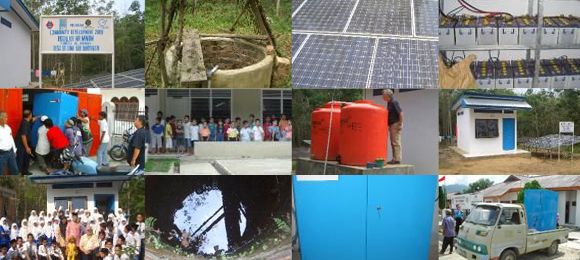







Chemical-free treatment of water for golf course irrigation
A course-wide treatment strategy can protect sprinklers, turf and nearby waterways without routine additions of coagulants, disinfectants or other treatment chemicals. It suits clubs drawing on bores, harvested stormwater, dams or recycled municipal water instead of a dependable potable supply. The objective is not to make every source identical to drinking water; it is to remove contaminants that damage equipment, affect plants or create risks during storage, spraying and discharge.
Golf course water often comes from several sources, each with a different risk profile. A sandy-profile bore may carry iron or manganese, while groundwater near farms can contain nitrate, pesticides or uranium. Dam and tank water can collect sediment and bacteria after heavy rain, and warm recycled water can encourage microbial growth inside poorly managed pipes. Problems may appear as staining, blocked emitters, patchy turf or unacceptable runoff.
Swiss Cleanwater Group develops sustainable purification systems for these variable conditions. Its equipment is designed to remove manganese, arsenic, bacteria, pesticides and uranium without chemical dosing, consumable resin waste or excessive energy use. Chemical-free water treatment can suit remote clubs, metropolitan properties with tight chemical-storage controls and operators seeking a lower environmental footprint.
Australian conditions sharpen those requirements. Sydney and Brisbane receive substantial summer rain, yet collected runoff still needs treatment. Melbourne and regional Victoria face drought pressure and defined irrigation-water expectations, while Perth users must account for saline groundwater. Adelaide’s recycled-water network shows how reclaimed supply can become routine course infrastructure. Agricultural bores across eastern and northern Australia can add nitrate, pesticide and uranium concerns.
Why source-water quality comes first
Begin with a source-by-source water audit rather than a generic specification. Sample every bore, reservoir and inlet, including after substantial rain, and examine pH, salinity, turbidity, iron, manganese, arsenic, nitrate, pesticides, uranium and microbiological indicators. Record flow as well as quality: average demand can conceal short surges when pumps refill tanks or several irrigation zones operate together. Peak flow determines whether treatment can run continuously or needs additional capacity.
Interpret the results according to the intended use. Irrigation quality is not simply a drinking-water standard. Manganese can leave dark deposits on fittings and turf, while salts can impair soil structure and sensitive grass species. Nitrates, arsenic and uranium still matter because irrigation may interact with groundwater or discharge areas. Reuse conditions, environmental licences and public-access requirements can add separate limits, so relevant authorities should be consulted before the treatment design is finalised.
Groundwater also needs a stable baseline because chemistry can vary with depth, pumping and seasonal recharge. The project overview on nitrate removal without resins illustrates how a targeted solution can avoid conventional ion-exchange media. Its useful lesson is broader: define the contaminant, target flow and receiving environment before choosing equipment.
Matching treatment to the contaminant
Chemical-free treatment is not a single-device promise. A source dominated by sediment needs solids removal before finer treatment; iron and manganese require a process suited to their oxidation and filtration behaviour; and arsenic, nitrate, pesticides or uranium need verified removal at the concentrations found in the bore. Swiss Cleanwater Group can configure purification around the analysis rather than force every supply through the same assembly.
Power and water balances deserve equal attention. Low chemical consumption simplifies storage, transport and staff handling, while a system that generates little waste reduces site disruption. Electrical demand, backup arrangements, treatment capacity and recovery rate must still be checked against irrigation schedules. During a dry period in regional New South Wales or Queensland, storage may be needed to bridge peak demand. During a wet week, equalisation or bypass capacity can prevent untreated water entering the network.
Define performance in operating terms, including inlet and outlet limits, verified flow, monitoring points, maintenance tasks and response actions. A low-energy claim is meaningful when measured for the chosen duty and local water temperature. Likewise, chemical-free describes the absence of routine dosing for purification, not the absence of maintenance. Instruments, filters and strainers still need inspection, and pre-existing contamination remains relevant whenever stored water is redirected to irrigation.
Designing for Australian operating conditions
Footprint and climate influence the layout. An urban club may have little room for civil works, while a remote course may rely on intermittent power and long travel times for technicians. In northern Australia, equipment needs protection from intense sun, humidity and dust. Above-ground packaged systems may simplify installation, but access for cartridge changes, sampling and cleaning must remain practical. Site drainage should also prevent untreated water from bypassing treatment.
Mobile deployment can support commissioning, temporary treatment or emergency arrangements. Swiss Cleanwater Group’s engineering work on mobile treatment trailers demonstrates how treatment capacity can be packaged for rapid deployment and off-grid use. The same principle helps a club maintain irrigation during plant maintenance or trial a solution at one bore before committing to a course-wide installation.
Storage is part of the treatment system, not an accessory. Rainwater tanks in Sydney and Brisbane can collect leaves, dust and bird waste; recycled systems in Melbourne and Adelaide require careful management of warm, nutrient-rich water; and groundwater tanks in Perth can accumulate sediment or salts. Where water remains stored for extended periods, turnover, ventilation and maintenance matter. Designing around these realities reduces the chance that treated water is recontaminated before reaching the sprinklers.
Operating the network safely and sustainably
Safe operation starts at the point of collection. Keep tanks and pump wells secure, prevent surface runoff entering them, and inspect screens, lids and overflow routes. When rainfall follows a long dry spell, first-flush controls and diversion can reduce the contaminant load reaching treatment. This is especially important around Sydney’s intense summer storms and Brisbane’s humid conditions, where warm water and organic matter support microbial regrowth. Increase sampling after storms, maintenance or changes in source.
The irrigation network needs its own hygiene plan. Sprinkler-line flushing removes accumulated material, while valves, check valves and backflow protection prevent treated water from travelling where it does not belong. Where recycled water serves public-access areas, local rules and risk assessments may require stronger disinfection controls. Warm recycled water also warrants assessment for organisms such as Legionella. Chemical-free primary treatment does not remove the need for disciplined water-system management.
Documenting performance makes the investment easier to defend. Keep laboratory results, operating logs, alarm records, maintenance actions and water-use data in one register. Trend iron, manganese, turbidity, salinity and site-specific contaminants across seasons rather than relying on a single certificate. When a pump changes, a new bore is drilled or rainfall patterns shift, verify the water again. This evidence supports regulatory discussions, council approvals and board decisions while revealing problems before they appear in the turf.
From site audit to reliable irrigation
Pilot testing should reproduce real operating conditions. Test the actual source over enough cycles to cover variable demand and seasonal chemistry, then confirm outlet quality at both design and peak flow. For a broad network, stage the rollout by water source or irrigation zone so lessons from the pilot inform later stages. Each supply path needs a defined connection, isolation point and sampling location so treated water from one source cannot conceal untreated lines elsewhere.
Procurement documents should state the contaminant profile, required flow, storage configuration, utility limits and performance evidence rather than promising generic removal rates. Ask whether the arrangement handles the worst source water and what happens during power loss, high turbidity or equipment service. The Swiss Cleanwater Group treatment FAQs provide a useful starting point for clarifying operating questions, site data and suitability before detailed design.
Total-cost assessment should include chemical purchasing and storage, waste disposal, labour, energy, water lost during maintenance and the effect of blocked or stained irrigation assets. A durable system that reduces chemical handling and water downtime can provide a stronger commercial case for clubs facing volatile water costs. The clearest business case links equipment performance to measurable outcomes: fewer blocked nozzles, steadier turf, compliant reuse, lower chemical logistics and dependable supply during dry weather.
Build a chemical-free irrigation water strategy with Swiss Cleanwater Group. Request a site-specific consultation and provide source samples, flow records, irrigation demand, storage details and any council or utility requirements. The team can assess contaminant risks, treatment capacity and deployment options for your course, from a single bore to a multi-source network serving greens, fairways, clubhouse amenities and perimeter planting.
Start with a representative water audit, define measurable treatment goals and pilot the selected system under genuine operating conditions. With the right source data, Swiss Cleanwater Group can help Australian golf operators turn variable bore, tank and recycled water into a controlled irrigation supply without routine chemical dosing, chemical waste or unnecessary energy demand. Use the company’s contact options to arrange that assessment and develop a practical, site-ready solution.
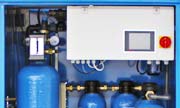
SCM 24
|
|
Cleans 24.000 liters per day
|
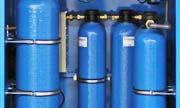
SCM 60
|
|
Cleans 60.000 liters per day
|
Video: How it works
The SCG Advantage
Our market-leading, water cleaning solutions have many advantages. To read more click the items below:
No Chemicals
Our machines and technology does not use any chemicals, at all.
Read more...
No Waste Water
Our machines do not waste any water. Yield = 100%.
Read more...
Low energy use
Uses 50 times less energy than a Reverse Osmosis Machine.
Read more...
Low ownership cost
Lower maintenance and operation costs due to our technology.
Read more...
Easy to install
Simple "plug and play" installation makes for easy deployment.
Read more...
Extremely compact
A compact system, contained in an easy to transport cabinet.
Read more...
Outperforms R.O.
SCG technologies outperform Reverse Osmosis systems.
Read more...
Faster ROI
Get a faster Return on Investment with our systems.
Read more...
Latest News
Latest Blog Posts
| Chemicals in water treatment? |
| Water storage - Whats best for keeping water clean and drinkable? |
| Case: Disaster Management Water Treatment |
Contact SCG
891 Showroom Place
Suite 101
Chula Vista, CA, 91914
Phone: +1 619-878-2730
Contact us by email