


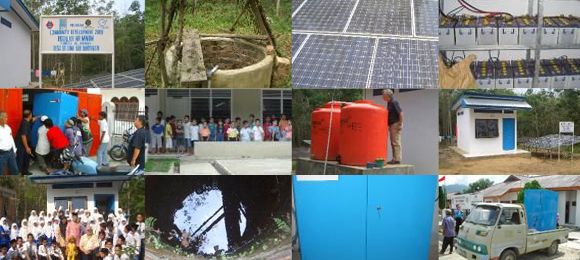







Point-of-entry iron filtration for Australian residential buildings
Designing a point-of-entry system for a residential building with high iron calls for more than placing a filter on the main pipe. It means protecting drinking-water taps, understanding how iron enters the building, and preserving the flow and pressure household fixtures expect. The aim is clear water and stain-free fittings without adding chemical dosing.
High iron in Australia can come from groundwater bores, private rainwater arrangements or plumbing materials, so the source must be established rather than assumed. A practical design starts with laboratory results and building details, then connects filtration with plumbing, approvals and real demand. Matched correctly, a chemical-free treatment train can remove metallic colour, taste and rust staining without treating every water quality issue as iron.
Start with the building’s water supply
Begin by locating the cold-water entry and deciding which fixtures need treatment. A point-of-entry unit before the building’s headers can protect drinking, cooking, laundry and bathroom taps. If only the kitchen tap is affected, a point-of-use system may be more sensible. If orange water comes mainly from hot taps, tank corrosion or an anode needs investigation rather than extra filtration.
Map the source and its history. A Perth home may combine reticulated mains water with roof-fed tanks for irrigation or household use; a regional Victorian property may rely entirely on a bore. Establish whether tank or bore water is potable, how it is stored, and whether plumbing work, rain or irrigation changes coincide with the complaint. “Brown water” can mean colour, sediment or both.
Define ownership and access before choosing equipment. In a Brisbane apartment, the body corporate and strata manager may control the incoming water and plant-room space. Record who authorises installation, who pays for water and electricity, and who will carry out future servicing.
Test the source before selecting equipment
Have samples tested at the proposed filtration point, not solely at a kitchen tap. Ask an Australian laboratory accredited by NATA to measure total and dissolved iron, turbidity, pH and hardness, adding manganese and bacteria tests where the history suggests risk. The Australian Drinking Water Guidelines use 0.3 mg/L as an aesthetic guideline for iron, but local requirements and intended use still matter.
Sample after overnight stagnation and following flushing because results can change through the day. Clear, faintly orange water may contain dissolved ferrous iron that oxidises in a glass; visible rust points towards sediment or corrosion. If slime or an earthy smell is present, test for iron bacteria and inspect the supply.
Test the actual source rather than a blended or intermittent supply, and repeat sampling after rain, tank cleaning or pump changes. A bore can also carry manganese, arsenic or other dissolved contaminants that a sediment filter will not address. The report should define the contaminant and the water conditions on which the proposed process relies.
Choose a treatment path that matches the iron
Match the process to whether the iron is dissolved or particulate. Catalytic media can convert soluble ferrous iron into particles retained within the filter, combining oxidation and filtration without routine chemical dosing. A sediment-only cartridge may trap existing rust but leave clear, iron-bearing water unchanged. Ask for test data covering the measured concentration and the complete treatment train.
Consider serviceability and footprint alongside removal performance. Some systems use replaceable cartridges, while others use catalytic or multimedia media that is serviced or regenerated. A greensand unit requiring chemical regeneration would conflict with a chemical-free brief. Footprint, drain access, noise and pressure loss can be decisive in a confined plant room.
The same discipline of matching each stage to the contaminant appears in emergency relief camp design, where variable sources and limited maintenance make an untested equipment list risky. Residential work benefits from that verification: an impressive specification on paper is of little value if it cannot treat the iron found at the inlet.
Size the flow and pressure for household demand
Size from peak demand, not average water use. Consider occupancy, simultaneous showers, laundry, basin use and any garden or pool connection. Apply the fixture demand method used in Australian plumbing design, then compare it with the filter’s rated flow and pressure range. Oversizing equipment can add cost and space without improving water at the tap.
Measure inlet pressure and available pressure head, then allow for the filter and extra treatment stages. Excess pressure can stress components, while excessive pressure drop can weaken showers and create water hammer. Specify flow at the design point, minimum operating pressure and maximum working pressure. Avoid continuous circulation or booster pumps unless hydraulic calculations justify their energy use.
Plan maintenance access and bypass behaviour. Include a labelled service isolation valve and an agreed bypass procedure that prevents untreated water reaching the building through an open line. If backwashing is part of the selected process, confirm the discharge route and water consumption. A system needing continuous water and an unrestricted drain may not suit the building.
Design for Australian buildings and plumbing
Design for the plumbing environment in which the filter will operate. Australian work should be assessed against AS/NZS 3500.4 for plumbing and drainage, with AS/NZS 3497 used to evaluate drinking-water quality at the tap. A licensed plumber can confirm backflow-control requirements, pressure zones and the suitability of WaterMark-certified components, while council or building-management approvals may add conditions.
Account for the building type. A Sydney apartment tower may have a common incoming meter, booster set and multiple pressure zones, leaving little space for a large filter. A regional Victorian farmhouse with a bore and pressure tank has different hydraulics and access needs. If no practical common-entry installation exists, an engineered drinking-water point-of-use arrangement may be more realistic than a nominal whole-building system.
Keep the installation compatible with Australian service expectations. Requests such as “brown water after rain” or “rust staining in the shower” should become measurable iron, turbidity and flow observations. Quotes in Australian dollars should itemise the filter, plumbing, commissioning, testing, media replacement and maintenance separately, allowing owners to compare complete costs rather than attractive headline prices.
Plan maintenance without chemicals or waste
Treat maintenance as part of the design, not an afterthought. Catalytic filtration can avoid chemical dosing, but media still needs monitoring for iron loading, pressure loss and biological growth. Establish who inspects the unit, how spent cartridges or media are handled, and which replacement parts must remain accessible in Australia. Water-quality checks at defined intervals help confirm that treatment remains effective.
Reliable servicing and spare-part planning are just as important in rural health clinic design, where one failed component can interrupt a whole community’s supply. For a residence or apartment complex, identify a local plumber who understands the equipment, plus a response process for rising pressure difference, discoloured water or an alarm. Clear ownership prevents small faults from becoming prolonged outages.
Confirm the waste position in writing. A mechanical filter may use no chemical treatment but still require backwashing, cartridge disposal or periodic media replacement, depending on its design. Ask how much water is used, where discharge goes and whether collection or servicing is available. Do not accept “chemical-free” as proof that a system has no water or waste implications.
Specify the system and request a site assessment
Ask Swiss Cleanwater Group for a written proposal tied to the test results. It should identify the treatment stages, iron-removal basis, applicable performance data, flow and pressure limits, dimensions, connection sizes, drain and power requirements, expected service intervals and ownership costs. The supplier should also confirm how any measured manganese, arsenic or bacterial risk will be handled rather than treating iron as the only concern.
Require local installation and commissioning. A licensed Australian plumber can install and flush the unit, check for leaks, verify pressure and flow, and explain any required sanitising procedure. Record baseline and post-installation results, provide an as-built diagram and maintenance schedule, and include clear instructions for servicing the system without leaving untreated water connected.
Contact Swiss Cleanwater Group to discuss a chemical-free point-of-entry iron removal system for an Australian home or apartment building. Share the laboratory report, incoming pressure, occupancy, fixture list and details of any bore or tank, then request a site-specific proposal. This gives owners and building managers a clear route to clean water, fewer rust stains and a serviceable installation without chemical dosing.
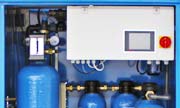
SCM 24
|
|
Cleans 24.000 liters per day
|
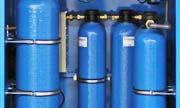
SCM 60
|
|
Cleans 60.000 liters per day
|
Video: How it works
The SCG Advantage
Our market-leading, water cleaning solutions have many advantages. To read more click the items below:
No Chemicals
Our machines and technology does not use any chemicals, at all.
Read more...
No Waste Water
Our machines do not waste any water. Yield = 100%.
Read more...
Low energy use
Uses 50 times less energy than a Reverse Osmosis Machine.
Read more...
Low ownership cost
Lower maintenance and operation costs due to our technology.
Read more...
Easy to install
Simple "plug and play" installation makes for easy deployment.
Read more...
Extremely compact
A compact system, contained in an easy to transport cabinet.
Read more...
Outperforms R.O.
SCG technologies outperform Reverse Osmosis systems.
Read more...
Faster ROI
Get a faster Return on Investment with our systems.
Read more...
Latest News
Latest Blog Posts
| Chemicals in water treatment? |
| Water storage - Whats best for keeping water clean and drinkable? |
| Case: Disaster Management Water Treatment |
Contact SCG
891 Showroom Place
Suite 101
Chula Vista, CA, 91914
Phone: +1 619-878-2730
Contact us by email