


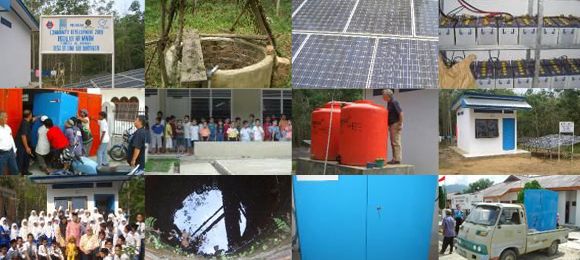







Designing Reliable Water Treatment for a Rural Health Clinic
A rural health clinic depends on a safe water supply for drinking, handwashing, wound care, sterilization, laundry, sanitation, and staff accommodation. When the source is a shallow well, borehole, spring, rainwater tank, or delivered supply, treatment must be designed around actual water quality rather than a standard equipment package.
The right system balances contaminant removal, daily demand, maintenance capacity, available power, seasonal changes, and the consequences of failure. A clinic may need a compact point-of-use unit for drinking water, a whole-building treatment train, or a hybrid arrangement that protects critical rooms while keeping capital and operating costs manageable.
Chemical-free purification can be especially useful in remote settings. Technologies that reduce chemical storage, sludge handling, and complex dosing procedures may support safer operation when trained technicians and spare parts are difficult to access. Swiss Cleanwater Group develops treatment solutions for municipal, building, mobile, agricultural, and institutional applications, which makes this type of site assessment particularly relevant.
Start With A Water Safety Assessment
System design begins with a clear picture of the source. Collect samples during normal conditions and, where possible, after heavy rain or flooding. A single laboratory result can miss seasonal contamination, changes in groundwater levels, or intermittent intrusion from surface water.
Testing should cover microbiological indicators and chemical parameters relevant to the local geology and land use. Common concerns include manganese, iron, arsenic, uranium, nitrates, pesticides, salinity, hardness, turbidity, and pH. Bacteria and viruses require separate attention because a visually clear supply can still present a serious health risk.
The assessment should also document the source depth, pump performance, storage volume, pipe condition, electrical reliability, and existing fixtures. If the clinic receives water from a community network, ask whether pressure and quality vary during the day. These details influence filtration rates, tank sizing, backflow protection, and the need for a final disinfection barrier.
Match Treatment To Clinical Risk
Water used for drinking, food preparation, oral medication, and patient care deserves the highest treatment reliability. Water for toilets, cleaning, irrigation, or laundry may have different quality requirements, provided local regulations and infection-control policies permit separate lines. Dividing the system by use can reduce energy and maintenance costs without compromising essential safety.
A typical arrangement may include raw-water storage, sediment or multimedia filtration, a contaminant-specific treatment stage, final disinfection, and treated-water storage. Ultraviolet treatment can control microorganisms without adding a chemical residual, while membrane technologies may be appropriate for dissolved salts, uranium, arsenic, or other difficult contaminants. The final selection depends on concentration, flow, pretreatment needs, and reject-water management.
Point-of-use purification can be valuable when the clinic has limited plumbing or when only a few outlets require the highest quality. A point-of-use purification guide can help explain where decentralized treatment fits within a broader facility strategy. For a larger clinic, however, point-of-entry treatment is often easier to monitor and can protect multiple rooms at once.
Account For Flow And Storage
Peak demand is more important than the daily average. A clinic may use relatively little water overnight, then experience a sharp rise during morning consultations, cleaning, meal preparation, or vaccination sessions. Calculate average daily consumption, peak hourly flow, emergency demand, and the volume required for essential services during a power interruption.
Storage tanks provide operational resilience, but they must be sized and managed carefully. Oversized tanks can increase water age and create conditions for microbial growth. A practical design may use separate raw and treated-water tanks, level sensors, overflow protection, secure covers, and a bypass arrangement for controlled maintenance.
The treatment unit must also handle the clinic’s pressure and flow requirements. Filters that work well at a laboratory flow rate may perform poorly when several taps open at once. Include pressure gauges, flow meters, sampling points, isolation valves, and alarms so operators can identify blocked media, low production, lamp failure, or abnormal water quality before the problem reaches patients.
| Design Factor | Key Question | Typical Design Response |
|---|---|---|
| Source quality | Which contaminants are present, and at what concentration? | Select treatment from laboratory results and seasonal sampling |
| Microbial safety | Can bacteria or viruses enter after treatment? | Use disinfection, hygienic storage, and protected distribution |
| Peak demand | What is the highest hourly flow? | Size pumps, filters, and tanks for realistic simultaneous use |
| Power supply | How often do outages occur? | Add backup power, low-energy equipment, or priority circuits |
| Operator capacity | Who will inspect and service the system? | Choose simple controls, clear indicators, and local training |
| Waste management | What residuals or reject streams are produced? | Plan safe drainage, reuse, or disposal before installation |
| Future growth | Could patient numbers or rooms increase? | Allow modular expansion and spare connection points |
Choose Low-Maintenance Treatment Technologies
Remote clinics need equipment that can operate consistently between service visits. Chemical dosing systems may be effective, but they require secure storage, calibration, replenishment, and procedures for handling concentrated substances. Where appropriate, physical filtration, adsorption, ultraviolet treatment, ion exchange, or membrane processes can reduce dependence on chemical consumables.
The term “chemical-free” should still be evaluated carefully. Every treatment process has operating requirements, and some media require periodic backwashing, replacement, or controlled regeneration. A sound design identifies the source of each waste stream and the frequency of each maintenance task. Research on reducing sludge production is useful when a clinic has limited drainage, no sludge contractor, or strict environmental constraints.
pH is another important design variable. It can affect adsorption, membrane performance, metal solubility, and the effectiveness of certain treatment media. A system selected without considering pH may remove one contaminant while allowing another to remain mobile. Guidance on pH and contaminant removal provides helpful context for evaluating chemical-free treatment performance.
Build In Hygiene And Resilience
Treatment ends at the outlet only when the distribution system remains hygienic. Use food-grade or approved materials, minimize dead legs, protect tanks from insects and dust, and keep pipework accessible for inspection. Taps in clinical areas should be easy to clean, and any hose connections should include backflow prevention.
Power planning deserves the same attention as water chemistry. Pumps, ultraviolet reactors, controls, and monitoring devices may stop during outages, even when the source remains available. A solar-battery system, generator, or dedicated backup circuit can keep essential treatment running. Where continuous operation is not feasible, define a safe shutdown procedure and reserve treated water for critical activities.
Redundancy can be designed at several levels. Two smaller treatment trains may be easier to service than one large unit, while a bypass can maintain nonclinical water service during repairs. Critical alarms should be visible and understandable to staff who are not water-treatment specialists. Remote monitoring may help regional technicians identify falling pressure, abnormal conductivity, tank levels, or power faults before a site visit.
Create A Practical Operations Program
A technically sound installation can fail if daily responsibilities are unclear. Assign named staff to inspect source conditions, record meter readings, check tank levels, clean accessible components, and report unusual taste, odor, color, pressure, or flow. The schedule should distinguish daily checks from weekly, monthly, and annual tasks.
Keep a maintenance file at the clinic. It should contain the water-quality baseline, equipment manuals, replacement-part details, sampling records, alarm history, service dates, and emergency contacts. Labels on valves and pipes can prevent incorrect isolation during a busy clinical shift.
Before commissioning, test the system under normal and peak conditions. Verify treated-water quality at the outlet, confirm that alarms function, inspect for leaks, and validate the emergency water procedure. Staff should receive hands-on training covering startup, shutdown, sampling, sanitation, consumable replacement, and escalation when results fall outside the accepted range.
Prioritize These Design Decisions
- Test the source in different seasons before choosing treatment media or membranes.
- Separate drinking and clinical water requirements from lower-risk nonclinical uses.
- Size pumps, filters, storage, and backup power for peak demand rather than average consumption.
- Prefer accessible components, simple controls, and locally available spare parts.
- Define waste handling, sampling, maintenance, and emergency procedures before installation.
A rural health clinic needs a water system that is safe in routine service and manageable during disruption. Start with verified water-quality data, connect each treatment stage to a specific risk, and design around the people who will operate the equipment every day. Contact Swiss Cleanwater Group to discuss a site-specific purification solution, review source-water challenges, and develop a resilient treatment configuration for your clinic.
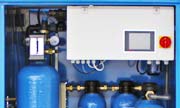
SCM 24
|
|
Cleans 24.000 liters per day
|
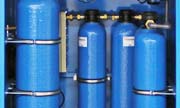
SCM 60
|
|
Cleans 60.000 liters per day
|
Video: How it works
The SCG Advantage
Our market-leading, water cleaning solutions have many advantages. To read more click the items below:
No Chemicals
Our machines and technology does not use any chemicals, at all.
Read more...
No Waste Water
Our machines do not waste any water. Yield = 100%.
Read more...
Low energy use
Uses 50 times less energy than a Reverse Osmosis Machine.
Read more...
Low ownership cost
Lower maintenance and operation costs due to our technology.
Read more...
Easy to install
Simple "plug and play" installation makes for easy deployment.
Read more...
Extremely compact
A compact system, contained in an easy to transport cabinet.
Read more...
Outperforms R.O.
SCG technologies outperform Reverse Osmosis systems.
Read more...
Faster ROI
Get a faster Return on Investment with our systems.
Read more...
Latest News
Latest Blog Posts
| Chemicals in water treatment? |
| Water storage - Whats best for keeping water clean and drinkable? |
| Case: Disaster Management Water Treatment |
Contact SCG
891 Showroom Place
Suite 101
Chula Vista, CA, 91914
Phone: +1 619-878-2730
Contact us by email